

Ramen is a popular Japanese dish that has captured people’s hearts and taste buds worldwide. This savory soup dish is made with noodles, broth, and an array of toppings ranging from meats and vegetables to seaweed and egg. In this article, we’ll explore everything you need to know about ramen, from its history to the different types of broth and toppings and how to make it home.
A Brief History of Ramen
Ramen’s origins can be traced back to China, where wheat noodles were first introduced. In the early 20th century, Chinese immigrants brought this noodle dish to Japan, and it quickly became a popular street food. Ramen’s popularity grew after World War II when food shortages led to the rise of noodle stands and ramen shops. Today, ramen is considered a cultural icon in Japan and has gained a global following.
The Different Types of Broth
Ramen’s broth is what gives this dish its unique flavor. There are four main types of ramen broth:
Shio: This is a clear, salty broth made with chicken, fish, or pork bones, along with salt and other seasonings.
Shoyu: This soy sauce-based broth is slightly sweeter and more prosperous than shio. It is made with chicken, fish, pork bones, soy sauce, and other seasonings.
Miso: This is a thick, hearty broth made with fermented soybean paste, chicken or pork bones, and other seasonings. It has a strong umami flavor and is perfect for cold weather.
Tonkotsu: This is a creamy, pork-based broth made by boiling pork bones for hours until the broth becomes thick and milky. It has a rich, fatty flavor and is often paired with spicy toppings like kimchi or chili oil.
The Different Types of Toppings
Ramen’s toppings are what make this dish so versatile and delicious. Here are some of the most popular toppings you’ll find in a ramen bowl:
Chashu: Chashu is a braised or grilled pork belly sliced thin and added to the ramen bowl.
Ajitama: Ajitama is a soft-boiled egg marinated in soy sauce, mirin, and other seasonings. The yolk is still runny, making it a delicious addition to the broth.
Nori: This type of seaweed is often used as a garnish in ramen. It has a slightly salty flavor and adds a nice crunch to the dish.
Menma: This pickled bamboo shoot is often added to ramen for a bit of tanginess.
Negi: This green onion is chopped and added to the ramen bowl. It has a mild onion flavor and adds a nice pop of color to the dish.
Ramen Variations Around the World
While ramen is a popular dish in Japan, it has become a global phenomenon. As it has gained popularity, it has undergone various transformations to suit different cultures and preferences. Here are some popular ramen variations around the world:
Tsukemen: This variation of ramen is popular in Tokyo and involves dipping the noodles in a separate bowl of concentrated soup. The soup is usually thicker and more intense than regular ramen broth.
Tonkotsu Ramen: This rich and creamy ramen variation originated in Fukuoka, Japan. The broth is made by boiling pork bones for hours until it becomes a thick and creamy soup.
Jjajangmyeon: This Korean-Chinese fusion dish resembles ramen, featuring noodles in a savory broth. However, the broth is made with black bean paste, which gives it a unique and distinct flavor.
Laksa: This spicy Malaysian noodle soup features rice noodles in a coconut milk-based broth. It is often served with seafood or chicken.
Pho: This Vietnamese soup is made with rice noodles and features a clear broth usually made with beef bones. It is often served with herbs, bean sprouts, and lime wedges.
Health Benefits of Ramen
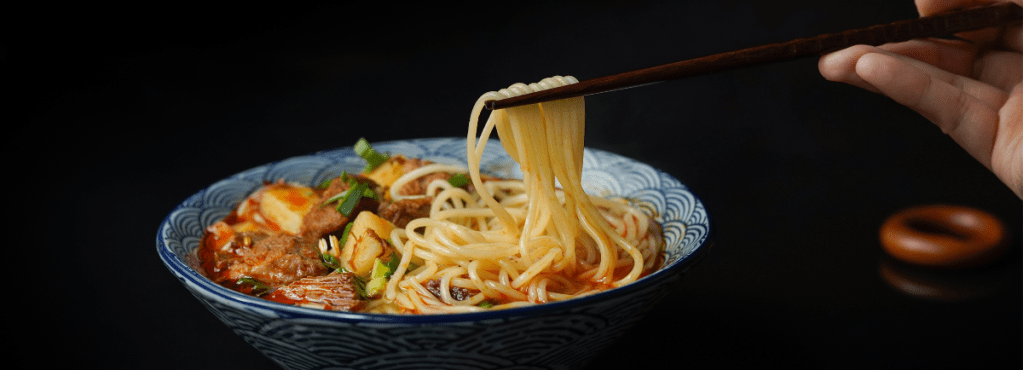
Ramen is often associated with being an unhealthy food, but it can be quite nutritious depending on the ingredients used. Here are some health benefits of ramen:
Noodles: Ramen noodles are made with wheat flour containing fiber and protein. They are also low in fat and calories, making them a good energy source.
Broth: Depending on the broth used, ramen can provide various health benefits. Chicken broth is a good source of protein, while vegetable broth is low in calories and vitamins.
Toppings: Adding vegetables and protein-rich toppings like eggs, tofu, and chicken can increase the nutritional value of your ramen bowl.
Collagen: Ramen broth is often made with bones, which are a good source of collagen. Collagen is a protein that supports healthy skin, joints, and bones. Consuming collagen-rich foods like ramen broth may help improve skin elasticity and reduce joint pain.
Glutamine: Ramen noodles are made with wheat flour, which contains glutamine. Glutamine is an amino acid that helps support the immune system and aids in muscle recovery after exercise.
Vegetables: Many ramen bowls are topped with vegetables like bok choy, mushrooms, and scallions. These vegetables contain vitamins and minerals like vitamins C, K, and potassium.
Spice: Some ramen bowls are made with spicy chili oil or paste. Capsaicin, the compound responsible for the spicy sensation, has been shown to have anti-inflammatory and pain-relieving properties.
However, it’s important to note that not all ramen is created equal. Some commercial instant ramen products contain high amounts of sodium, preservatives, and other additives that can negate potential health benefits. To enjoy the health benefits of ramen, it’s best to opt for fresh, homemade ramen or to choose brands that use high-quality ingredients and natural flavorings. Additionally, consuming ramen in moderation is essential as it can still be high in calories and carbohydrates.
Ramen Etiqutte
If you’re planning on visiting a traditional ramen shop in Japan, it’s essential to know some basic etiquette to avoid offending anyone. Here are some rules to follow:
Slurp your noodles: It is considered polite to slurp your noodles in Japan, as it shows that you enjoy the dish.
Don’t add too much sauce: Ramen chefs spend a lot of time perfecting the flavor of their broth, so it’s important not to add too much soy sauce or other condiments that can overpower the flavor.
Use chopsticks: It’s customary to use chopsticks when eating ramen in Japan. Forks and spoons are also available, but chopsticks are preferred.
Respect the chef: Ramen chefs take great pride in their craft, and many spend years perfecting their recipes and techniques. It’s important to show respect and appreciation for their hard work by savoring the broth and toppings flavors and avoiding any negative comments or complaints.
Use the provided tools: In Japan, ramen shops usually offer a variety of utensils and condiments, such as chopsticks, spoons, soy sauce, chili oil, and garlic. Use these tools and spices as intended, and avoid making a mess or wasting food.
Don’t blow on your soup: Blowing on your soup to cool it down is considered impolite in Japan, as it can create a loud noise and disturb other diners. Instead, wait a few moments for the soup to cool naturally, or use the spoon to scoop up some broth and noodles.
Avoid leaving food on your plate: In Japan, it’s considered rude to leave food on your plate, as it suggests that the portion was too large or the food was not to your liking. To avoid this, order an amount you can comfortably finish and eat all the noodles and toppings in your bowl.
How to Make Ramen at Home
Making ramen at home may seem intimidating, but it’s pretty simple. Here’s a basic recipe that you can customize with your favorite broth and toppings:
Ingredients:
- 4 cups of chicken broth or dashi
- Two packs of dried ramen noodles
- Two cloves of garlic, minced
- Two tablespoons of soy sauce
- One tablespoon of mirin
- One teaspoon of sesame oil
- Chashu pork, soft-boiled eggs
Instructions:
- In a pot, bring the chicken broth or dashi to a boil. Lower the heat and let it simmer for about 10-15 minutes.
- In a separate pan, sauté the garlic in sesame oil until it becomes fragrant.
- Add the soy sauce and mirin to the pan and let it simmer for a minute.
- Add the broth to the pan and let it simmer for another minute.
- Cook the ramen noodles according to the package instructions and drain them.
- In a ramen bowl, add the cooked noodles and pour the broth over them.
- Add your favorite toppings, such as chashu pork, soft-boiled eggs, nori, and men.
- Serve hot, and enjoy your homemade ramen!
Where to Find the Best Ramen
Japan is the obvious choice if you’re looking for the best ramen. Tokyo is known for its famous ramen shops, such as Ichiran and Ippudo, which serve up some of the world’s most delicious and authentic ramen. However, if you can’t make it to Japan, there are plenty of other places to find great ramen. Many major cities worldwide, including New York, Los Angeles, and London, have ramen shops that offer a taste of Japan.
Conclusion
Ramen is a beloved Japanese dish that has captured the hearts and stomachs of people worldwide. Whether you prefer a classic shio or hearty tonkatsu, ramen offers endless possibilities for customization and experimentation. So the next time you’re in the mood for a comforting bowl of soup, grab some noodles, broth, and your favorite toppings, and make your delicious ramen bowl home.
 Hey Singapore