
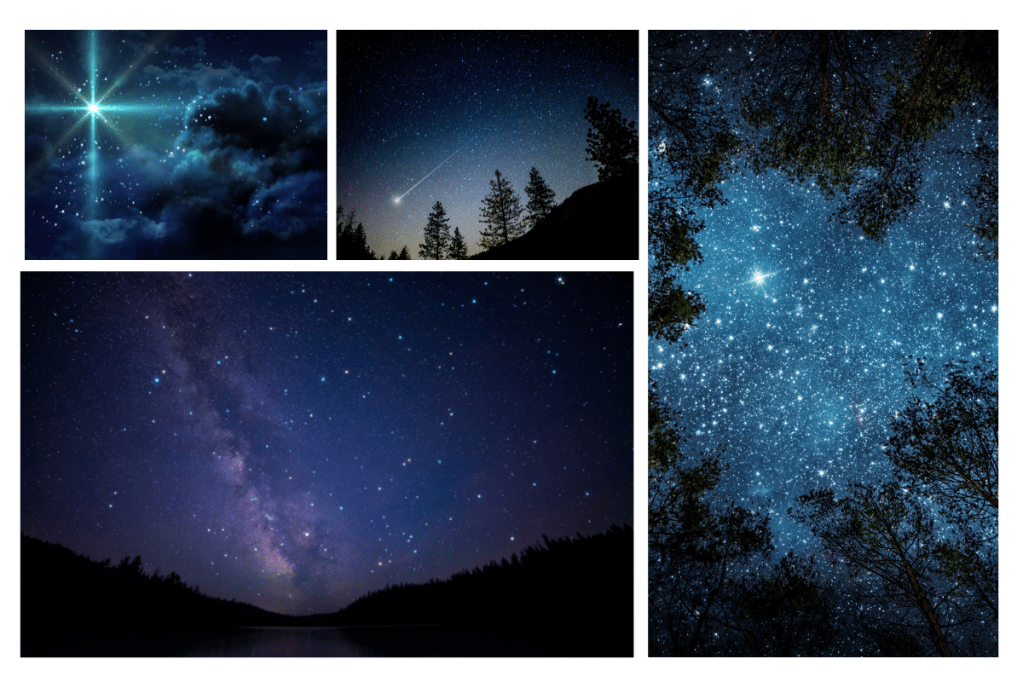
Few subjects have ever been as endlessly fascinating as the night sky. The cosmos are vast, complex, and endlessly captivating, and one of the most spectacular sights one can behold is the starry night.
The starry night is a phrase that calls to mind a particular painting, and with good reason. Vincent van Gogh’s “The Starry Night” is an iconic masterpiece that captures the imagination of art lovers and stargazers alike. But the starry night is much more than just a work of art; it is a reminder of the vastness of the universe and the mystery and wonder that continue to captivate us.
At its heart, the starry night is a celebration of light. The stars that twinkle and dance across the night sky are distant suns, each burning fiercely in a cosmic dance that has been ongoing for billions of years. But it is not just the stars that capture our attention; it is the patterns they create, the shapes they form, and the stories they tell.
In many cultures, the stars have been viewed as more than just celestial bodies. They have been seen as guides, messengers, and even gods. The constellations we see in the night sky have been used for millennia to navigate, tell time, and mark the passage of the seasons. And yet, for all their practical uses, the stars have also been a source of wonder and awe.
There is something profoundly humbling about gazing up at the starry night. It reminds us of our place in the universe, the vastness surrounding us, and the infinite possibilities beyond our reach. And yet, it is also a reminder of our connection to the cosmos, that we are all made of stardust, and that we are all part of this grand cosmic dance.
The starry night can be all too rare for those who live in cities. Light pollution, smog, and other forms of environmental degradation can make it difficult to see the stars. But the starry night can inspire wonder and comfort for those fortunate enough to live in clear skies.
In many ways, the starry night is a symbol of hope. It is a reminder that no matter how dark the world may seem, there is always light shining somewhere. It reminds us that, no matter how small we may feel, we are part of something much larger and more wondrous than we can imagine. And it is a reminder that no matter how far we may journey in our lives, the stars will always be there to guide us home.
In conclusion, the starry night is a cosmic spectacle that captivates us. From the masterful brushstrokes of van Gogh to the glittering lights that dance across the night sky, the starry night celebrates the mystery and wonder of the universe. Whether we gaze up at the stars from a city street or the depths of the wilderness, the starry night reminds us of our connection to the cosmos and the infinite possibilities beyond our reach.
The Evolution of Star Gazing
From ancient civilisations to modern times, humans have always been captivated by the starry night. Our ancestors relied on the stars to guide them across the seas and deserts and mark the changing seasons. They created myths and stories about the stars and used them to understand the world around them.
In ancient times, the Babylonians were among the first to develop a system for mapping the stars. They created the first astrological calendar, which linked the movements of the planets and led to the events on earth. The Greeks, too, were fascinated by the stars and developed their system of constellations.
During the Renaissance, studying the stars became more scientific, and astronomers such as Galileo Galilei and Johannes Kepler revolutionised our understanding of the cosmos. Today, we continue to explore the stars and the universe with ever more sophisticated technology, from powerful telescopes to space probes that travel to the farthest reaches of our solar system and beyond.
How Van Gogh’s “The Starry Night” Continues to Inspire Generations of Artists
Vincent van Gogh’s “The Starry Night” is one of the most famous paintings in history and has captured the imaginations of art lovers worldwide. Painted in 1889, the work depicts the view from the window of the artist’s room at the Saint-Paul-de-Mausole asylum, where he had admitted himself for treatment.
The painting is characterised by its swirling blue sky, bright yellow stars, and the famous cypress tree that dominates the foreground. It is a vivid and evocative depiction of the starry night and has become an enduring symbol of the mystery and beauty of the universe.
But “The Starry Night” is more than just a beautiful painting; it is a testament to the power of art to inspire and uplift us. It inspires generations of artists and has been interpreted in countless ways, from the abstract to the hyper-realistic.
Understanding the Cosmic Origins of the Stars
Stars are born in vast clouds of gas and dust called nebulae. These clouds are constantly in motion, and as they collapse under their gravity, they heat up and glow. Eventually, the pressure and temperature at the centre of the cloud become so great that a nuclear reaction is triggered, and a new star is born.
The science of star formation is a complex and fascinating field that continues to evolve with discoveries and technologies. By studying the formation and evolution of stars, astronomers can gain a deeper understanding of the universe and its origins.
The Environmental Impact of Light Pollution on Star Gazing and Astronomy
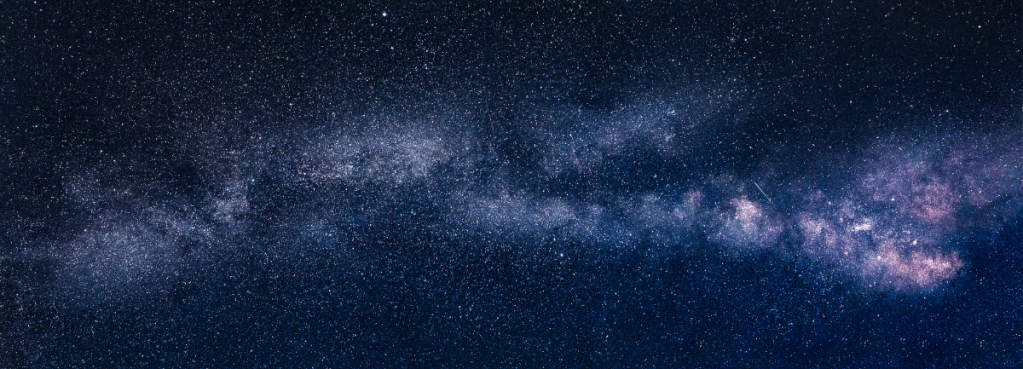
Light pollution is a growing problem for stargazers and astronomers alike. It refers to the excessive and misdirected artificial light emitted by streetlights, buildings, and other sources. This light interferes with our ability to see the stars and can also hurt wildlife and the environment.
To combat light pollution, many cities and organisations have implemented dark sky initiatives, which aim to reduce the amount of artificial light in urban areas. These initiatives include using shielded outdoor lighting, promoting energy-efficient lighting, and educating the public about preserving the night sky.
A Tour of the Night Sky
The stars have been essential in human culture and mythology for thousands of years. In many cultures, the stars were seen as gods, messengers, or guides. The constellations that we see in the night sky were often associated with these myths and beliefs and became a way for people to connect with the divine and the universe.
Some famous constellations include the Big Dipper, Orion, and the Southern Cross. The Big Dipper, also known as the Plough, is a familiar sight in the northern hemisphere and has been used for navigation by sailors and travellers for centuries. Orion, named after a mythical hunter, is one of the most recognisable constellations in the sky and is known for its bright stars and distinctive shape. The Southern Cross, seen in the southern hemisphere, is an important symbol in many cultures and has been used for navigation and storytelling for thousands of years.
Tips for Planning the Perfect Stargazing Experience
If you’re planning a stargazing trip, there are a few things you can do to make the most of your experience. First, choose a location away from city lights and other artificial light sources. This will give you the best chance of seeing the stars and the Milky Way.
Then, the most important is to check the weather forecast before you go. Cloudy skies can ruin your plans, so choosing a night with clear weather is best. You can also check the moon’s phase as well since the brightness of the moon can affect how many stars you’ll be able to see.
Next, ensure you have the right equipment, including a good pair of binoculars or a telescope to examine the stars closely. It’s also a good idea to bring a star chart or a smartphone app to help you identify the constellations.
Finally, dress warmly and bring plenty of snacks and drinks. Stargazing can be a long and cold experience, so staying comfortable and well-fed is essential.
In conclusion, the starry night has captivated us for centuries, inspiring us with its beauty and mystery. From the science of star formation to the spiritual significance of the stars in different cultures, there is much to learn and discover about the universe above us. So the next time you find yourself outside on a clear night, take a moment to look up at the stars and appreciate the wonder and awe of the universe. Whether you are a scientist studying the stars, a spiritual seeker looking for guidance, or a lover of nature’s beauty, the starry sky has something to offer everyone.
As we continue to explore and study the stars, we may discover even more about the mysteries of the universe and our place within it. But regardless of what we learn, the starry night will always remain a source of inspiration and wonder, reminding us of the natural world’s beauty, complexity, and connection. So next time you have the chance, take a moment to appreciate the stars and all they offer.
 Hey Singapore