
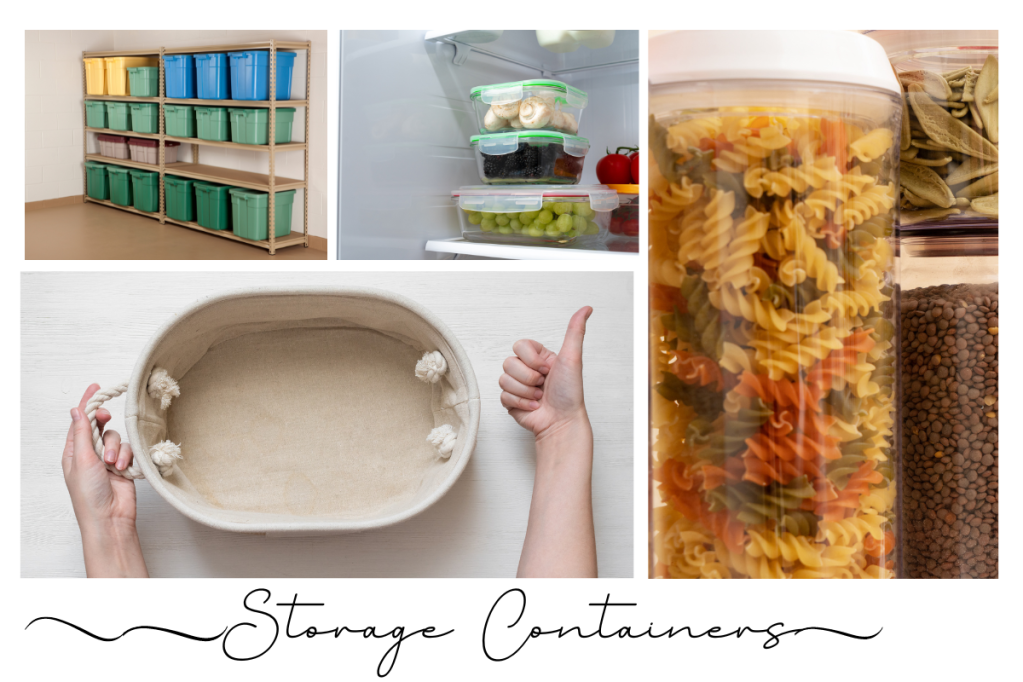
When it comes to organizing and decluttering our homes and workspaces, storage containers are an essential tool. They come in various sizes, materials, and designs, making it easy to find the perfect container for every storage need. From plastic bins to fabric baskets, metal boxes to cardboard cartons, the options are endless.
The benefits of using storage containers for storage purposes are numerous. They provide a convenient way to store and organize items, allowing you to maximize your available space. By reducing clutter, they create a more visually appealing and functional environment. Furthermore, they help protect your belongings from damage, dust, and other potential hazards.
One of the greatest advantages of using storage containers is their versatility. Whether you’re storing clothes, books, office supplies, or tools, there’s a container that’s suitable for the task. Plus, they’re portable, making it easy to move them around as needed.
Overall, storage containers are an indispensable tool for anyone who wants to keep their home or workspace organized and clutter-free. With so many options available, it’s easy to find the perfect container for your storage needs. In this article, we’ll take a closer look at the different types of storage containers available in the market, the benefits of using them, and how to choose the right one for your storage needs.
Storage containers are an essential tool for organizing and decluttering your home or workspace. With so many types of storage containers available, it can be overwhelming to choose the right one for your needs. In this article, we’ll take a closer look at the different types of storage containers available in the market, their pros and cons, and provide examples of how each type of container can be used for different storage needs.
Plastic Containers
- Plastic containers are a popular choice for storage due to their durability, affordability, and versatility. They come in various sizes, shapes, and colors, making them suitable for a wide range of storage needs. They are also lightweight and easy to move around, making them an excellent option for storing items in small spaces. However, plastic containers may not be the best option for storing items that need to be protected from extreme temperatures or moisture.
Examples of how plastic containers can be used: storing clothes, toys, kitchen utensils, craft supplies, and office supplies.
Metal Containers
- Metal containers are known for their durability and strength. They are often used for storing heavy or bulky items that need to be protected from the elements. They are also a great option for outdoor storage as they are resistant to weather conditions. However, metal containers may be more expensive compared to other types of storage containers and may not be suitable for storing items that are sensitive to rust or corrosion.
Examples of how metal containers can be used: storing tools, automotive parts, camping gear, and gardening equipment.
Fabric Containers
- Fabric containers, also known as soft storage containers, are made from materials such as canvas, nylon, or polyester. They are lightweight, collapsible, and easy to store when not in use. They are also machine washable, making them easy to clean. However, they may not be as durable as other types of storage containers, and they may not offer as much protection to the items stored inside.
Examples of how fabric containers can be used: storing clothes, shoes, linens, and toys.
Cardboard Containers
- Cardboard containers are a popular choice for temporary storage needs due to their affordability and ease of use. They are available in various sizes and shapes, and they can be easily recycled when no longer needed. However, cardboard containers may not be as durable as other types of storage containers, and they may not be suitable for storing items that are sensitive to moisture or pests.
Examples of how cardboard containers can be used: storing documents, books, and small household items.
Glass Containers
- Glass containers are a popular option for storing food and beverages due to their ability to preserve flavor and freshness. They are also eco-friendly and easy to clean. However, glass containers may be more expensive compared to other types of storage containers, and they may be fragile and prone to breaking.
Examples of how glass containers can be used: storing food, beverages, and beauty products.
The type of storage container you choose will depend on your specific storage needs and preferences. By considering the pros and cons of each type of container, you can make an informed decision on the best option for your needs. Regardless of the type of container you choose, storage containers are an essential tool for organizing and decluttering your space.
The selection of an appropriate storage container is a subjective matter, dependent on one’s distinct storage requirements and personal inclinations. By examining the advantages and disadvantages of each container type, one can make an enlightened decision concerning the best-suited alternative for their needs. Irrespective of the chosen option, storage containers are indispensable tools for arranging and decluttering any environment.
Storage containers are indispensable tools for those seeking to arrange and declutter their living or working quarters. They offer a convenient means of storing and organizing possessions, allowing one to optimize the available space. The containers come in diverse dimensions, which maximizes every inch of space available.
Illustration: Stackable plastic bins offer an excellent solution for those living in small apartments, as they enhance closet space, creating more room for other items.
Another advantage of using storage containers is that they help minimize clutter. By organizing items into containers, one can effortlessly find whatever they require at any moment, rather than rummaging through cluttered piles. This not only makes living or workspaces more practical but also aesthetically pleasing.
Illustration: Fabric baskets offer an ideal way of keeping toys in a child’s playroom, enabling the room to stay well-organized and free of clutter.
Furthermore, storage containers help safeguard items against harm, dust, and other potential threats. Durable materials like plastic or metal ensure that items remain secure, preventing them from getting scratched, dented, or broken.
Illustration: Metal filing cabinets help protect valuable documents from damage and maintain their organization in office settings.
Storage containers come in a variety of shapes, sizes, and materials, which makes them versatile for a vast range of storage needs. From plastic bins to fabric baskets, containers suitable for any item one needs to store are available. The containers are also portable, making it easy to relocate them as required.
Illustration: In a school environment, using plastic bins to store supplies like markers, crayons, and pencils, helps keep the classroom organized and clean.
The benefits of utilizing storage containers are numerous. They help save space, reduce clutter, protect items from damage, and are versatile for diverse storage needs. Storage containers are an indispensable tool for creating more functional and aesthetically pleasing environments, whether in homes, offices, or schools.
The selection of a fitting storage container is pivotal to guaranteeing efficient space organization and safeguarding the contents stored within. The abundance of options available on the market may seem daunting at first, but there are several key factors to consider when selecting the optimal container for your storage needs. This article will explore the critical considerations to keep in mind when choosing storage containers and offer guidance on selecting the right container for particular storage requirements.
Dimensions
One of the most critical factors to consider when selecting a storage container is its size. The container must be large enough to accommodate the items you intend to store while still fitting comfortably within the available space. It is vital to consider the container’s dimensions and the size of its opening to ensure that you can effortlessly access the contents within.
Tip: Take measurements of the storage area before purchasing a container and compile a
list of the intended contents to facilitate choosing the right container size.
Material
Storage containers are available in a range of materials, including metal, plastic, fabric, glass, and cardboard. The container’s material must be suitable for the contents you wish to store and the conditions in which the container will be kept.
Tip: Opt for a material that can safeguard the contents stored inside. For example, if you intend to store items prone to moisture damage, choose a plastic container with a secure lid.
Durability
Durability is a crucial consideration, especially if you intend to store items for an extended period. The container must be robust enough to withstand wear and tear and protect the contents from damage.
Tip: Choose a container made from durable materials like metal or plastic with reinforced corners and sturdy handles for effortless transport.
Design
The container’s design is an important factor to consider, particularly if you intend to store the container in a visible area. Opt for a container with an aesthetically pleasing design that complements your decor.
Tip: Choose a container with a sleek and minimalist design that seamlessly blends with your decor. Opt for a neutral color palette that can be used in diverse settings.
When selecting storage containers, it is crucial to consider aspects such as size, material, durability, and design. By selecting the optimal container for your storage needs, you can efficiently organize your space and safeguard your belongings. Keep these tips in mind to make an informed decision when selecting the ideal storage container for your specific requirements.
Importance of Maintaining and Caring for Storage Containers
To maintain the pristine condition and optimal functionality of storage containers, proper maintenance and care are imperative. Neglecting the upkeep of containers can lead to premature damage or ineffectiveness, which may hinder your ability to store items efficiently. Not to mention, unclean or damaged containers pose a health hazard, particularly when utilized for storing food items.
Tips for Purifying Storage Containers
Before cleaning any container, refer to the manufacturer’s instructions, as certain materials require specific techniques.
Utilize lukewarm water and mild soap to cleanse plastic and metal containers, ensuring to rinse them thoroughly and allowing them to dry completely.
When handling fabric containers, utilize gentle cleaning solutions and a damp cloth to remove any stains, refraining from bleach or harsh chemicals that may harm the fabric.
For glass containers, employ glass cleaners and soft cloths to clean them, avoiding abrasive cleaners or sponges that may leave scratches on the surface.
Tips for Storing Storage Containers
To maximize space, stack containers in a neat and orderly manner, placing the largest containers at the base and the smallest at the top.
To prevent lid misplacement or damage, store lids separately from their corresponding containers.
Avoid overstuffing containers, as it may cause warping or damage to them.
Store containers in a cool and dry area to thwart the growth of mold and mildew.
Tips for Organizing Storage Containers
To identify container contents easily, employ labeling techniques.
Group similar items together for quick and easy access.
Utilize dividers or organizers to prevent items from shifting around.
To avoid expired items or forgotten products, rotate items regularly.
Proper maintenance and care are crucial to preserve the longevity and efficiency of storage containers. Following the aforementioned tips for purifying, storing, and organizing containers can maximize their potential, keeping your space orderly and uncluttered. Remember to always refer to the manufacturer’s guidelines for optimal care and maintenance of your storage containers.
In summation, storage containers prove to be an indispensable apparatus for the organization and decluttering of domiciles and workspaces. This article expatiated upon the benefits of utilizing storage containers, the sundry types of receptacles available, the pivotal factors to contemplate when electing them, as well as guidelines on how to uphold and maintain their efficacy.
The utilization of storage containers facilitates spatial conservation, minimizes disorderliness, and safeguards chattels against degradation. Depending on idiosyncratic requirements and predilections, one can opt for a multiplicity of materials such as plastic, metal, fabric, cardboard, or glass containers. It is essential to mull over the dimensions, composition, durability, and design when selecting a container.
Appropriate maintenance and care of storage containers are sine qua non in sustaining their utility and durability. Using mild soap, storing them systematically in a well-ventilated and cool area, and categorizing them with labels and dividers are measures that guarantee their optimal functionality.
I urge you to incorporate storage containers into your organizational system to keep your environs uncluttered and methodical. You can share your experiences with storage containers and proffer additional insights or tips in the comments section below. Collaboratively, we can leverage the potential of storage containers to the fullest.
 Hey Singapore