
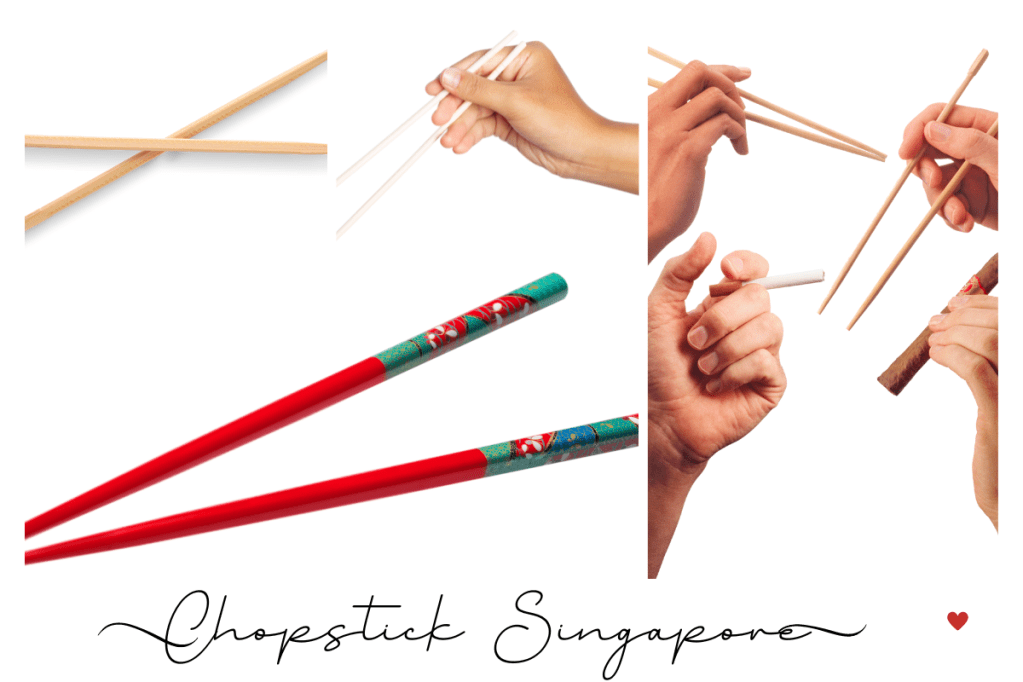
An exquisite feat of culinary dexterity, the humble chopstick has been a key player in Asian cuisine for centuries. But where did it all begin? For those who appreciate the finer points of history, the answer is clear: the chopstick was first invented in ancient China some 5,000 years ago. Its use quickly spread throughout the Asian continent, with Japan and Korea developing their own unique styles of chopsticks over time.
The evolution of chopsticks can be traced back to a time when most people relied on their hands to eat. However, as etiquette and table manners became increasingly important, chopsticks emerged as the utensil of choice for discerning diners. The design of the chopstick has remained relatively unchanged over the centuries, with its simple form and elegant lines still considered the epitome of culinary sophistication.
So, whether you’re an experienced chopstick user or just starting out on your chopstick journey, it’s worth taking a moment to appreciate the rich history and cultural significance of this humble utensil. With its timeless elegance and undeniable practicality, the chopstick is a true icon of Asian cuisine, and one that will no doubt continue to be celebrated for generations to come.
In Singapore, where culinary traditions run deep and cutlery is treated with utmost respect, chopsticks reign supreme. While chopsticks may appear to be a ubiquitous tool, there are subtle differences between the ones found in Singapore and those used in other parts of the world.
One of the primary differences is the material used to make chopsticks. In Singapore, chopsticks are typically made of bamboo, which is known for its durability and eco-friendliness. Unlike metal or plastic chopsticks, bamboo chopsticks do not retain heat or release harmful chemicals when exposed to high temperatures.
Another distinguishing factor is the shape of the chopsticks. Singaporean chopsticks tend to be shorter and thicker than those found in other regions. This is due to the fact that Singaporean cuisine often involves rice dishes and stews that require more precision in handling food.
Furthermore, the design of the chopsticks varies depending on the occasion. For instance, there are chopsticks with ornate patterns and colors that are used for special occasions such as weddings and Chinese New Year celebrations. These chopsticks are often made of lacquered wood and adorned with intricate designs that represent good luck and prosperity.
In addition, chopsticks in Singapore come in a range of sizes and styles to suit different preferences. Some are tapered at the ends while others are flat and rectangular, and some have textured tips to improve grip. There are even chopsticks with built-in rests, which make them easier to use and prevent them from rolling off the table.
Overall, chopsticks in Singapore are not only functional utensils but also objects of cultural significance. The differences in material, shape, and design make them unique and worthy of appreciation.
Chopstick Singapore has been garnering increasing attention among food enthusiasts, chefs, and home cooks alike for its unique features that set it apart from other chopsticks, particularly those from Japan, which are widely regarded as the gold standard of chopsticks. But what makes Chopstick Singapore exceptional, and is it really better than Japanese chopsticks?
One crucial aspect that distinguishes Chopstick Singapore from its counterparts is the material used in crafting it. Unlike Japanese chopsticks that typically employ wood or bamboo, Chopstick Singapore employs a high-quality alloy of stainless steel that imbues it with a remarkable blend of durability, elegance, and hygiene. The use of stainless steel also enables Chopstick Singapore to withstand extreme temperatures, making it ideal for both hot and cold dishes.
Moreover, the design of Chopstick Singapore is a testament to the artistry and meticulousness of its makers. Each chopstick is crafted with precision, resulting in a sleek and smooth surface that feels comfortable and balanced in the hand. The tips of the chopsticks are slightly tapered, enabling them to grasp food with ease while preventing slippage. The length of Chopstick Singapore is also customizable, allowing users to tailor it to their preferred size.
As for its superiority over Japanese chopsticks, the answer is subjective and depends on various factors such as personal preference, intended use, and cultural context. However, Chopstick Singapore’s stainless steel material, durability, and versatility make it an excellent choice for those who prioritize functionality, hygiene, and aesthetics.
In conclusion, Chopstick Singapore is a remarkable innovation in the realm of chopsticks that brings together the virtues of tradition and modernity. Its unique material, impeccable design, and practicality make it an excellent addition to any kitchen or dining setting. Whether it is superior to Japanese chopsticks or not, Chopstick Singapore undoubtedly offers a compelling alternative that deserves recognition and appreciation.
The utilization of reusable materials has taken the world by storm, with a growing consciousness towards sustainability in daily life. In Singapore, a pivotal implement that has taken the forefront of this eco-friendly movement is the humble chopstick. But how environmentally conscious is this everyday utensil and what makes it an eco-friendly choice?
Chopsticks in Singapore are predominantly made from bamboo, which is a highly sustainable and eco-friendly resource. Bamboo, a fast-growing grass, has the ability to regenerate itself without the need for replanting, making it an ideal choice for chopstick production. Furthermore, bamboo cultivation requires minimal water and pesticides, reducing the impact on the environment.
In comparison to other chopsticks such as plastic and disposable wooden chopsticks, Singaporean chopsticks have a significantly lower environmental footprint. Plastic chopsticks, often used in fast-food restaurants, are non-biodegradable and contribute heavily to plastic waste. Disposable wooden chopsticks, on the other hand, require significant amounts of wood to be harvested, leading to deforestation and environmental degradation.
Additionally, the use of reusable chopsticks has become a cultural norm in Singapore, with many restaurants providing them as a standard utensil for customers. This helps to reduce the amount of single-use plastic and wooden chopsticks that would otherwise end up in landfills.
In conclusion, chopsticks in Singapore have proven to be an environmentally friendly choice due to the sustainable nature of bamboo and the prevalence of reusable utensils in the culture. Choosing to use reusable chopsticks is a small yet significant step towards reducing our impact on the environment and preserving our planet for future generations.
As the culture of dining continues to evolve, so too does the art of crafting dining utensils, including chopsticks. In particular, Chopstick Singapore stands out for its distinct visual appeal, which sets it apart from other chopstick designs.
From the smooth, sleek curves of its body to the intricate details etched into its surface, Chopstick Singapore exudes a certain elegance and sophistication that other chopsticks often lack. Its careful craftsmanship and attention to detail make it not only a functional tool for dining but also an objet d’art, worthy of display and admiration.
In contrast to other chopstick designs that often feature simple and uniform shapes, Chopstick Singapore incorporates a unique blend of modern and traditional elements, resulting in a truly distinctive aesthetic. Its use of high-quality materials such as titanium and carbon fiber also adds to its visual appeal, elevating it beyond mere utilitarian function.
Overall, Chopstick Singapore’s aesthetics are a testament to the artistry and ingenuity of its creators, showcasing the unique beauty that can be achieved through careful craftsmanship and innovative design.
In the world of dining, the use of chopsticks to consume food has been a prevalent practice for centuries. Chopsticks Singapore, in particular, have made their mark as a standout brand, offering consumers a unique and refined dining experience.
When it comes to pairing chopsticks with food, there are several optimal culinary combinations that can elevate the dining experience. For instance, sushi, sashimi, and other Japanese dishes are often enjoyed with chopsticks due to the delicate nature of the ingredients. Chinese cuisine, on the other hand, may feature a wide range of dishes that are best suited for chopsticks, such as stir-fry, dumplings, and noodles. Korean dishes like bibimbap and japchae are also frequently paired with chopsticks.
When using Chopsticks Singapore, the weight, balance, and grip of the utensils lend themselves particularly well to dishes with complex textures and flavors. The elegant design and craftsmanship of these chopsticks add a sophisticated touch to any dining occasion, making them the ideal choice for both casual and formal dining settings.
In conclusion, the use of Chopsticks Singapore in conjunction with specific culinary pairings can enhance the overall dining experience. With their impeccable aesthetics and expertly crafted design, these chopsticks offer a refined touch to any dining occasion.
detailed analysis is required to ascertain this claim. It is true that Chopsticks Singapore are made of bamboo, a renewable and biodegradable material, which makes it a popular choice among those who are environmentally conscious.
However, other types of chopsticks, such as reusable metal or wooden ones, are also available in the market and can be considered eco-friendly due to their longevity and potential for reuse. Furthermore, disposable chopsticks made of biodegradable materials, such as cornstarch or wheat straw, are also gaining popularity for their eco-friendliness.
Therefore, it can be argued that while Chopsticks Singapore may be more environmentally friendly than some chopsticks, it may not necessarily be the most eco-friendly option available. Ultimately, it depends on various factors, such as production methods, disposal methods, and consumer behavior, to determine which type of chopsticks is the most environmentally friendly.
 Hey Singapore