
All sorts of surfaces, from furniture and floors to electronics, can benefit from being dusted with a cleaning duster. Dusters are useful for keeping surfaces clean, but they can lose their effectiveness if they aren’t kept clean and oiled. Here are some suggestions for maintaining the cleanliness of your dusters
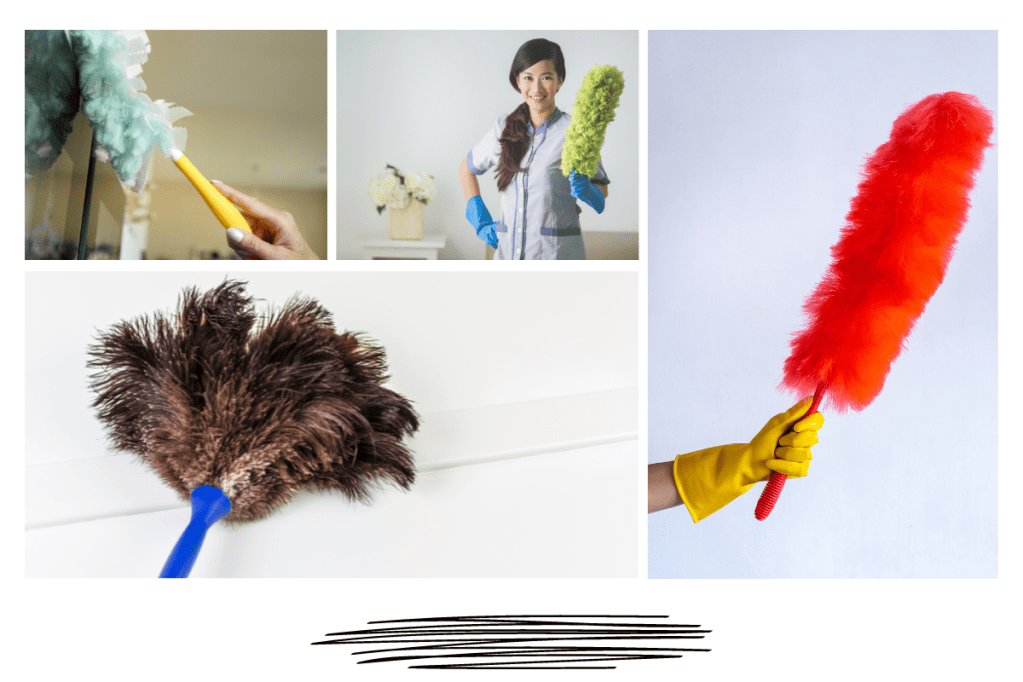
First, use the cleaning duster to remove any loose debris by shaking or brushing it off. Any large debris that has become embedded in the fibers can be more easily removed out.
Two, most cleaning dusters are water-washable. Put some detergent into the warm water in the sink or bucket. For best results, immerse the duster in water and give it a light swish up and down to help break up the grime. Be sure to give the duster a good rinsing with fresh water.
Third, let it dry naturally by hanging it or laying it flat on a clean surface. Do not dry the duster in a dryer or leave it in direct sunlight, as doing so can fade the fibers.
Make use of a lint roller if your cleaning duster has accumulated a great deal of lint or pet hair. If there are any stray fibers on your duster, simply roll the sticky side of the lint roller over it.
Last, Replace when it is necessary. Cleaning dusters wear out and lose efficiency over time, no matter how well you care for them. In the event that your duster is no longer effectively removing dust from surfaces, it may be time for a replacement.
If you follow these guidelines, you can improve the cleanliness and efficacy of your cleaning dusters.
Avoid spreading dust and debris throughout your home by shaking or brushing off loose debris from your cleaning duster outside or over a trash can. If there are any large particles stuck in the duster’s fibers, tapping it gently against a hard surface should do the trick. If dust particles remain after using a duster, you can brush them off with a soft bristled brush.
You can use a vacuum with a soft-bristled brush attachment to clean your duster if it has a lot of stubborn debris. Any dust or debris caught in the duster’s fibers can be easily removed by holding it over a trash can or taking it outside and gently brushing it out.
You should always check the label or manufacturer’s instructions before using a cleaning duster to make sure you know how to properly care for it and avoid damaging it. It’s also a good idea to check the packaging to see if the duster can be washed and reused, as some cleaning dusters are meant to be disposable.
Use a soft detergent and warm water to clean your dusting rag. To keep the fibers from being damaged and the fabric from shrinking or losing its shape, cold water should be used instead of hot.
It is recommended that you wash your microfiber cleaning duster in a separate load from other laundry items to prevent snagging and pilling. Do not use bleach or fabric softener, as these can weaken the fibers and render the duster useless.
Fill a sink or a bucket with warm water and a small amount of mild detergent for washing your dusting rag. Put the duster in the sink, add some water, and jiggle it around to help loosen the dirt and grime. If there is any stubborn dirt or dust left, try massaging the fibers with your hands.
Rinse the duster thoroughly with clean water after washing it to get rid of any remaining soap. Gently squeeze out excess water without wringing or twisting the duster, as doing so can damage the fibers. To get rid of the excess water, press the duster gently between your hands or against a dry towel.
You may need to wash your dusting rag more than once to get rid of a particularly stubborn stain or odor. Your cleaning duster will last longer and do a better job of removing dust and dirt if you wash it after each use.
High heat can damage the fibers in your cleaning duster, causing it to lose its shape or shrink. Instead, let things dry naturally in the air.
Gently squeeze out any excess water after rinsing your cleaning duster. When you’re done using the duster, hang it up to dry; just make sure to do so in a spot with plenty of fresh air. A duster can be air-dried by laying it flat on a clean surface if there is nowhere to hang it.
The fibers in the duster can easily become brittle, unsteady and break if exposed to direct sunshine or heat sources, so take care to keep it out of these environments. In addition, a dryer’s heat can ruin the fabric, resulting in a loss of size or shape.
It could take several hours or even days for your cleaning duster to air dry completely depending on the size and material and style. After the duster has dried, you can reshape and reactivate it by fluffing the fibers with a gentle shake or a soft brush.
Cleaning duster durability and effectiveness in dusting can be improved by letting it air dry after use.
Use a lint roller to get rid of the lint, hair, dust and other debris stuck to your dirty duster. Sticky at another end, a roller is used to remove stray fibers, debris and dust from fabric, upholstery, and other surfaces.
Simply run the sticky side of the lint roller over the duster in a back-and-forth motion to remove dust and lint from your cleaning tool. This will assist in removing any dust or debris that may have become embedded in the duster’s fibers.
It is possible to rinse a cleaning duster without a lint roller by using a piece of masking tape or duct tape. All you have to do is wrap the tape around your hand, sticky side out, and press it against the duster to collect any stray fibers or dust that may have fallen through the cracks.
If you use a tape to clean your duster, try to do so as little as possible because doing so can mat the fibers and damage them. Dusters intended for delicate or specialized cleaning should be treated with care; a lint roller or tape can damage the fibers or remove the dusters’ special coatings or treatments, rendering them useless.
If you keep your duster clean and well-maintained, you can reduce your reliance on lint rollers and tape for dust removal.
When cleaning dusters are no longer able to effectively remove dust and dirt from surfaces, it is time to replace them. If the duster’s fibers get worn or damaged, it won’t dust as well.
As an added note, you may want to buy a new cleaning duster if it has become extremely soiled or if it has developed an odor that cannot be removed through washing.
When it comes time to replace your cleaning dusters, some manufacturers may provide additional guidelines. To keep your cleaning duster in good working order and able to effectively remove dust and dirt from surfaces, be sure to replace it on a regular basis.
Whether or not your cleaning duster needs to be replaced depends on its current state. It’s time to get a new one if you’ve noticed that it’s not picking up dust and dirt as well as it once did, or if it’s become excessively dirty or damaged.
A dusting utensil that is properly stored will remain free of dust and dirt for future use. The best way to keep your dusting duster organized is as follows:
First, store it somewhere dry; humidity can ruin the cleaning duster’s fibers and promote the growth of mold and mildew. Keep it in a cool, dry place away from drafts and condensation.
Two, keep it in a clean container, like a plastic bag or a container with a lid, to keep it from picking up dust or dirt while you store it.
Storing your cleaning duster separately from other cleaning tools and household items will help keep it from getting tangled or snagged.
If your cleaning duster has a hole or a hook, you can store it by hanging it up. It will be kept safely off the ground and less likely to be crushed or flattened in this way.
Lastly, Always refer to the manufacturer’s storage and care guidelines, as some cleaning dusters may have them. To keep your dusting tool in top shape for as long as possible, be sure to adhere to all care instructions.
With these guidelines in mind, you can prolong the life of your cleaning duster without sacrificing its efficacy.
Dusters are an indispensable item for keeping the home free of dust and allergens. However, you should give your cleaning duster the attention and maintenance it needs to continue serving its purpose and staying in good condition. A few examples of good care are frequent washing, air drying, minimal lint roller use, clean storage, and periodic replacement.
If you take care of your cleaning duster as recommended, it will last longer and continue to do its job of keeping your surfaces dust-free. Your cleaning routine can also remain efficient and effective if you replace your cleaning duster when it becomes ineffective. Care for your cleaning dusters as part of a larger effort to keep your home clean and healthy.
 Hey Singapore