
A Journey Through Time: The Origins of Ceramic Cookware
Ceramic cookware has been used for cooking and storing food for thousands of years. Archaeological evidence suggests that the first ceramic vessels were created in China around 20,000 BCE. These vessels were made from clay and were used for cooking and storing food.
As civilization evolved, so did ceramic cookware. In ancient Egypt, clay pots were used for cooking bread and stews, while in ancient Greece and Rome, ceramic vessels were used for cooking and serving wine. In Japan, clay pots called donabe have been used for cooking hot pot dishes for centuries.
Today, ceramic cookware is popular all over the world and is used for a variety of cooking methods, including baking, roasting, and grilling. Modern ceramic cookware is made from a variety of materials, including clay, porcelain, and stoneware, and is known for its durability and versatility.
Traditional Techniques: Using Clay Pots and Tandoors for Cooking
Clay pots and tandoors are traditional cooking vessels that have been used for centuries in many cultures around the world. In India, tandoors are used to cook bread and meat dishes, while in North Africa, clay pots called tagines are used for cooking stews and couscous dishes.
The advantage of cooking with clay pots and tandoors is that they retain heat well and create a moist cooking environment, resulting in tender and flavorful dishes. To use a clay pot or tandoor, the vessel is first soaked in water to prevent cracking and then heated over a low flame until it reaches the desired temperature.
One of the most famous dishes cooked in a tandoor is tandoori chicken, which is marinated in a mixture of yogurt and spices and then cooked over high heat in the tandoor. The result is a juicy and flavorful chicken with a crispy exterior. In Morocco, tagines are used to cook slow-cooked stews with tender meat and vegetables.
The Evolution of Ceramic Cookers: From Kamados to Modern Electric Cookers
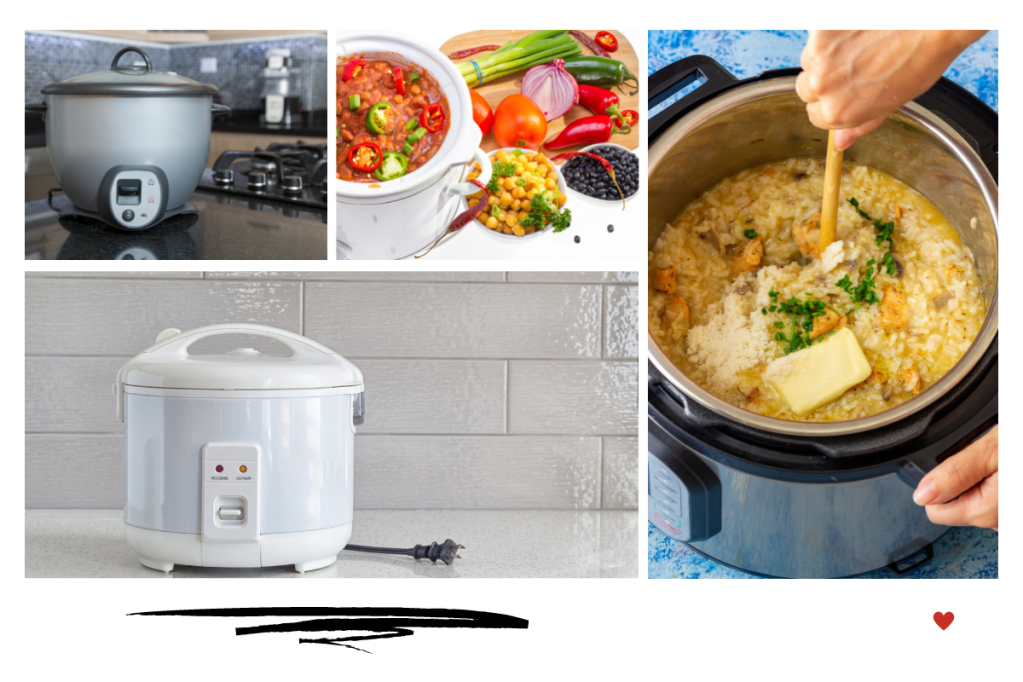
Traditional kamado-style ceramic cookers have given way to more sophisticated electric models. An early application for the kamado-style cooker, sometimes called a “clay pot cooker,” may be traced back to Japan, where it was used for the preparation of rice. With time, though, it developed into a multifunctional outdoor oven that could also grill and smoke meats. The kamado-style cooker was constructed entirely of ceramic, which meant it retained heat very well, making it perfect for low and slow cooking.
American scientists created the world’s first commercially viable ceramic stovetops in the 1970s. Like the kamado-style cooker, these appliances took on an egg form, but were crafted from durable ceramics that could withstand the elements. The contemporary ceramic cookers were more effective at maintaining a consistent cooking temperature and had superior insulation.
There are a wide variety of ceramic cookers on the market today, from conventional kamado-style models to modern electric stoves with digital displays and controls. Big Green Egg, Kamado Joe, Primo Oval XL, and Vision Grills Kamado are some of the most well-known ceramic cookers. To ensure consistent cooking and full flavor development, these cookers are built to retain heat exceptionally well.
Ceramic Cookware Around the World: Regional Variations and Specialties
There are many regional specializations and variances when it comes to ceramic cookware all across the globe. Chinese, Japanese, and Korean cooking all utilize ceramic pots and pans regularly. Flavorful foods like stir-fries and hot pots are often cooked in clay pots, woks, and earthenware bowls in these cuisines.
The Mediterranean and French cuisines of Europe are particularly fond of using ceramic cookware. North African and Middle Eastern cuisines often use tagines, a ceramic cooking dish with a conical cover, to prepare stews and braises. Typical foods like moqueca and cazuela de mariscos are cooked in cazuelas and clay pots throughout South America.
Outdoor cooking using ceramic cookware is quite popular in the United States. Barbecue aficionados often employ ceramic cookers like the Big Green Egg and Kamado Joe, while campers and outdoor cooks sometimes turn to ceramic Dutch ovens. In general, ceramic cookware has been used for centuries in various cultures and is now an indispensable part of many cuisines.
Innovations in Ceramic Cooking: The Future of Ceramic Cookers and Cookware
Manufacturers of ceramic cookware are always looking for ways to enhance their products as demand for them rises. Non-stick ceramic coatings are becoming more popular on ceramic cookware, since they reduce the likelihood of food sticking and simplify cleanup.
Using cutting-edge components and materials is another first for ceramic stoves. Some contemporary ceramic ranges, for instance, have digital controls for precise temperature management and timer customization. This facilitates more reliable outcomes while utilizing ceramic cookers in the house.
Sustainable and environmentally friendly cookware is also gaining popularity, with newer materials and innovations. Several ceramic cookware producers are increasingly using recycled materials in their products, while others are creating energy-efficient models. Further improvements in ceramic cookware are anticipated to appear in the future as the demand for sustainable and eco-friendly goods rises.
Factors to Consider when Choosing a Ceramic Cooker for Outdoor Cooking
With so many possibilities, it might be difficult to choose the best ceramic cooker for use in the great outdoors. The first thing to think about is how many people you intend to feed and how often you plan to prepare. While shopping for a ceramic cooker, it’s also important to examine the stovetop’s size, the firebox’s capacity, and the ceramic walls’ thickness.
The included cookware equipment should also be carefully considered. Look for stoves that include a drip pan, a heat deflector, and many grate sizes. These additions will make your time in the kitchen a lot more pleasant by facilitating a wider variety of cooking techniques and a more consistent temperature over the whole cooking area. It’s also crucial to think about whether the cooker runs on charcoal, wood, or propane as its fuel.
Taking your Ceramic Cooker on the Road: Tips for Traveling with your Cooker
A ceramic cooker‘s mobility is one of its primary selling points, making it a fantastic choice for those who like cooking in the great outdoors. Yet, you must prepare ahead in order to take your ceramic stove on the road. Make sure your stove is safely fastened and balanced before you hit the road.
Bring grilling grates, charcoal, fire starters, and any other culinary equipment you think you may need. You should also think about buying a cover or a carrying bag to safeguard your stove while you transfer it.
Look for a flat area that is far from any combustible objects like trees or buildings when deciding where to cook. Carbon monoxide poisoning may be avoided if proper ventilation is ensured. Never leave your stove alone while it’s on, and always wear heat-resistant gloves while cooking.
Grilling vs Smoking: Choosing the Right Cooking Method for your Outdoor Ceramic Cooker
Ceramic cookers have the benefit of being able to be used for both high-heat grilling and low-and-slow smoking, which may be done at the same time. Depending on the food you want to prepare and how long it will take to cook, you will need to choose the appropriate cooking technique for your outdoor ceramic stove.
Grilling is great for preparing meats, seafood, and vegetables that benefit from a high temperature cooking method. Charring the outside with direct heat from the charcoal or wood keeps the fluids locked in while creating a crispy finish. Nonetheless, meats like brisket, hog shoulder, and ribs benefit well from the slow smoke cooking method. The meat becomes soft and juicy while retaining a deep smokey taste thanks to the slow cooking procedure.
The kind of wood or charcoal used as fuel is an important factor to think about when selecting between grilling and smoking. The use of various types of wood and charcoal may impart distinctive tastes and scents to your food. Smoke from hickory wood, for instance, has a robust, smokey taste, whereas smoke from fruitwoods like apple and cherry is milder and sweeter.
In the end, the way you prepare your meal will be determined by how you typically eat and what you have on hand. The versatility of a ceramic cooker, on the other hand, allows you to try out new techniques and fuels, expanding your options for preparing tasty meals in the great outdoors.
Hosting an Outdoor Cookout: Recipes and Menus for Ceramic Cookers
Camping out and cooking on a ceramic oven will make a great impression on your visitors. While making your menu plans, keep in mind that employing seasonal, locally sourced items will enhance the tastes you achieve in the kitchen.
Grilled zucchini, bell peppers, and eggplant make a great first course. Try them as an easy and tasty appetizer by brushing them with olive oil and seasoning them with salt and pepper. Grilled shrimp marinated in garlic, lemon juice, and aioli sauce is another popular appetizer choice.
To make mouthwatering, fall-apart meat for the main course, try slow cooking a brisket or hog shoulder. Instead, if you want to wow your guests, consider cooking a full bird or turkey. Corn on the cob, roasted potatoes, and a seasonal green salad are all great options for side dishes.
Grill some fresh fruit like peaches or pineapples and top with whipped cream for a delicious dessert. The grilled fruit tart is a classic dish that has a handmade crust, grilled fruit, and a sugary glaze.
 Hey Singapore