
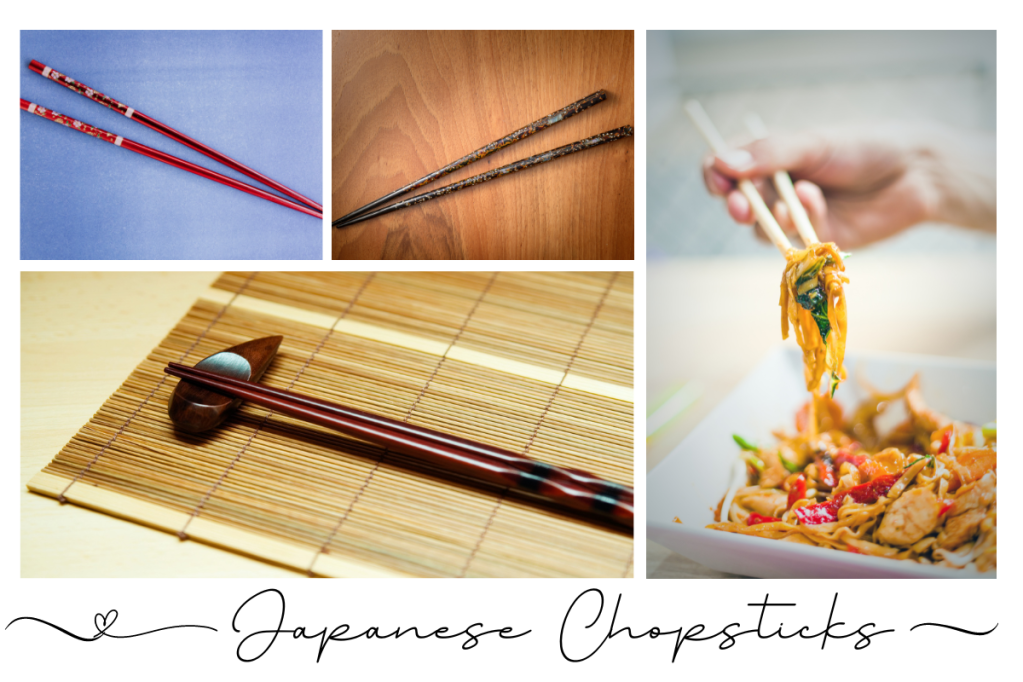
Part 1 – Japanese Chopstick Etiquette: Do’s and Don’ts You Need to Know
When it comes to Japanese dining etiquette, chopsticks are a fundamental component. For individuals new to using chopsticks, navigating the norms surrounding proper chopstick use can be challenging. Whether you are traveling to Japan, dining at a Japanese restaurant, or want to learn more about Japanese culture, this article will provide you with the essential do’s and don’ts of Japanese chopstick etiquette.
Understanding Chopsticks
Chopsticks are traditional utensils in Japanese cuisine. They are two thin and tapered sticks, typically made of bamboo or wood, used to pick up and eat food. One stick remains stationary in the hand while the other moves to grasp food. It’s essential to understand the basics of using chopsticks, such as how to hold them, before diving into chopstick etiquette.
Do’s of Japanese Chopstick Etiquette
Hold the chopsticks correctly.
Correctly holding chopsticks s crucial in Japanese dining etiquette. Hold the chopsticks towards their thicker end, resting them on the fourth finger, with the thumb and index finger gripping them. This grip provides the necessary balance and control to pick up food.
Use chopstick rests
When you are not using your chopsticks, placing them on chopstick rests is customary. Chopstick rests are small porcelain or ceramic holders that keep chopsticks off the table and clean. Resting chopsticks directly on the table or bowl is considered disrespectful and unhygienic.
Transfer food with the back ends of chopsticks.
When sharing dishes, using the back ends of your chopsticks to transfer food onto your plate is appropriate. This action shows consideration for others by keeping the front ends of your chopsticks clean for eating.
Use chopsticks to eat food.
Using chopsticks to eat food is the most crucial aspect of Japanese chopstick etiquette. Remember that it’s not customary to use chopsticks to cut food, so taking small bites of food that can fit into your mouth without cutting is essential.
Return chopsticks to chopstick rest after use
After eating, returning your chopsticks to the chopstick rests is essential. This action shows respect to the host and helps maintain cleanliness in the dining area.
Don’ts of Japanese Chopstick Etiquette
Stabbing food with chopsticks
Stabbing food with chopsticks is considered impolite and disrespectful in Japanese culture. It’s essential to use chopsticks to pick up food gently and not use them as a tool to stab food.
Pass food directly from chopsticks to chopsticks.
Passing food directly from chopsticks to chopsticks is a practice typically reserved for funerals in Japan. Therefore, it’s best to avoid passing food directly from chopsticks to chopsticks.
Lick chopsticks
Licking chopsticks is considered impolite and unclean. It’s best to avoid doing this as it’s perceived as disrespectful.
Place chopsticks vertically in the food.
Placing chopsticks vertically in food is a cultural taboo in Japan. This practice resembles incense sticks placed at a funeral or shrine and is therefore considered inappropriate for dining.
Use chopsticks to point or gesture.
Using chopsticks to point or gesture is impolite in Japanese culture. It’s best to avoid using chopsticks in any way other than to eat food.
Part 2 – Why Japanese Chopsticks Are the Best: The Benefits of Using Them
The proper chopstick technique is crucial for appreciating sushi and other Japanese delicacies while respecting the culture. Although many different kinds of chopsticks exist, Japanese are frequently regarded as the best. This article will explore the benefits of using Japanese chopsticks, including their design, durability, and cultural significance.
Design
Typically, wood, lacquer, or plastic are used to make Japanese chopsticks. They are longer and narrower than Chinese chopsticks, which makes them easier to maneuver and hold. The tips of Japanese chopsticks are also pointed, which allows for more precision when picking up small pieces of food. Additionally, some Japanese chopsticks have textured tips to improve grip.
Durability
Another benefit of Japanese chopsticks is their durability. Compared to chopsticks made of less expensive materials, those made of premium materials, such as wood or lacquer, are less likely to break or splinter. This makes them environmentally friendly because they may be used frequently and could last for a long time.
Cultural Significance
Using Japanese chopsticks also carries cultural significance. In Japan, chopsticks are not only a utensil but also a symbol of respect and etiquette. For example, it is considered rude to leave chopsticks standing upright in a rice bowl as it resembles the incense sticks used in Japanese funerals. Similarly, passing food from chopsticks to chopsticks is also considered impolite as it reaches the act of passing bones during a funeral.
Using chopsticks properly in Japan is not only a matter of etiquette but also a way to show respect for the food and the culture. One can experience the full cultural significance of the cuisine by using Japanese chopsticks.
In conclusion, the benefits of using Japanese chopsticks are numerous. Their design allows for more precise food handling, while their durability makes them an environmentally friendly choice. Additionally, using Japanese chopsticks carries cultural significance and can enhance one’s experience of Japanese cuisine. Using Japanese chopsticks is a terrific option whether you enjoy sushi or want to try something different.
.
Part 3 – Things to Look Out: Criterias in choosing the Perfect Japanese Chopstick
When it comes to enjoying a delicious Japanese meal, using the right pair of chopsticks can make a big difference. Not only do they add to the aesthetics of the meal, but they also enhance the overall experience. Japanese chopsticks are known for their quality, durability, and intricate designs, making them a great choice for anyone who appreciates fine dining. In this article, we’ll go over some tips on how to choose the perfect pair of Japanese chopsticks for you.
Material
The first thing to consider when choosing Japanese chopsticks is the material. The most common materials used are wood, bamboo, plastic, and metal. Each material has its own advantages and disadvantages. Wood and bamboo are traditional choices that are lightweight and easy to handle. While metal chopsticks are the most robust but can be heavy, plastic chopsticks are more resilient and simple to clean.
Length
The length of your chopsticks is also important to consider. Generally, chopsticks range from 8 to 10 inches in length. Longer chopsticks are better for cooking and serving, while shorter ones are ideal for eating. It’s important to choose chopsticks that are comfortable for you to hold and use.
Design
Japanese chopsticks come in a wide range of patterns, from basic and beautiful to elaborate and ornate. Some chopsticks have painted or carved designs, while others are made with inlaid materials like mother of pearl or gold leaf. Consider picking a design that fits your own style and the sort of food you’ll be consuming.
Texture
The texture of your chopsticks can also make a difference in your dining experience. Chopsticks come in a variety of textures—some are smooth, while others are more rugged for improved grip. Consider the types of food you’ll be eating and choose chopsticks that have a texture that will work best.
Reusability
Lastly, it’s critical to select reusable, environmentally friendly chopsticks.. Disposable chopsticks are often made from non-renewable materials and contribute to waste. Choose chopsticks that can be washed and used again and again.
In conclusion, choosing the perfect pair of Japanese chopsticks involves considering the material, length, design, texture, and reusability. By taking the time to choose the right pair of chopsticks for you, you can enhance your dining experience and enjoy the beauty and functionality of Japanese chopsticks.
Part 4 – Types of Japanese Chopstick you might be interested in
Japanese chopsticks are not only a functional tool for eating, but they are also an expression of Japanese culture and art. The intricate designs and patterns found on Japanese chopsticks are truly breathtaking and add an extra level of beauty to any dining experience. In this article, we’ll explore the beauty of Japanese chopstick art and showcase some exquisite designs you’ll love.
Lacquerware Chopsticks
Lacquerware chopsticks are some of the most exquisite and popular types of Japanese chopstick art. They are made by applying multiple layers of lacquer to the chopsticks and then carving intricate designs into the surface. The lacquer creates a beautiful glossy finish, and the designs are often inlaid with gold or silver dust to make them even more stunning.
Painted Chopsticks
Painted chopsticks are another type of Japanese chopstick art that are popular for their beauty and intricate designs. They are made by painting detailed images or patterns directly onto the surface of the chopsticks. The designs can range from traditional Japanese motifs like cherry blossoms and waves to modern and abstract designs.
Carved Chopsticks
Carved chopsticks are another type of Japanese chopstick art that are truly stunning. They are made by carving intricate designs and patterns directly into the surface of the chopsticks. The designs can range from simple geometric patterns to more complex and detailed images like dragons or flowers.
Inlaid Chopsticks
Inlaid chopsticks are a type of Japanese chopstick art that involves adding a decorative material like mother of pearl, abalone, or gold leaf to the surface of the chopsticks. The inlaid material creates a beautiful contrast with the base material of the chopsticks and adds a touch of elegance to any dining experience.
Contemporary Chopstick Art
In recent years, many contemporary artists have begun to explore the possibilities of Japanese chopstick art. They use a variety of materials and techniques to create unique and stunning designs that push the boundaries of traditional chopstick art.
In conclusion, Japanese chopstick art is a beautiful and intricate expression of Japanese culture and art. Whether you prefer lacquerware, painted, carved, inlaid, or contemporary chopsticks, there are endless options to choose from that will add a touch of elegance and beauty to any dining experience.
 Hey Singapore