
Indulging in sweet treats is an integral part of the Hari Raya Aidilfitri celebrations. One of the most beloved and delectable treats that grace the tables during this festive season is the Hari Raya Kueh. These bite-sized delicacies are a delightful amalgamation of various flavors and textures that tantalize the taste buds.
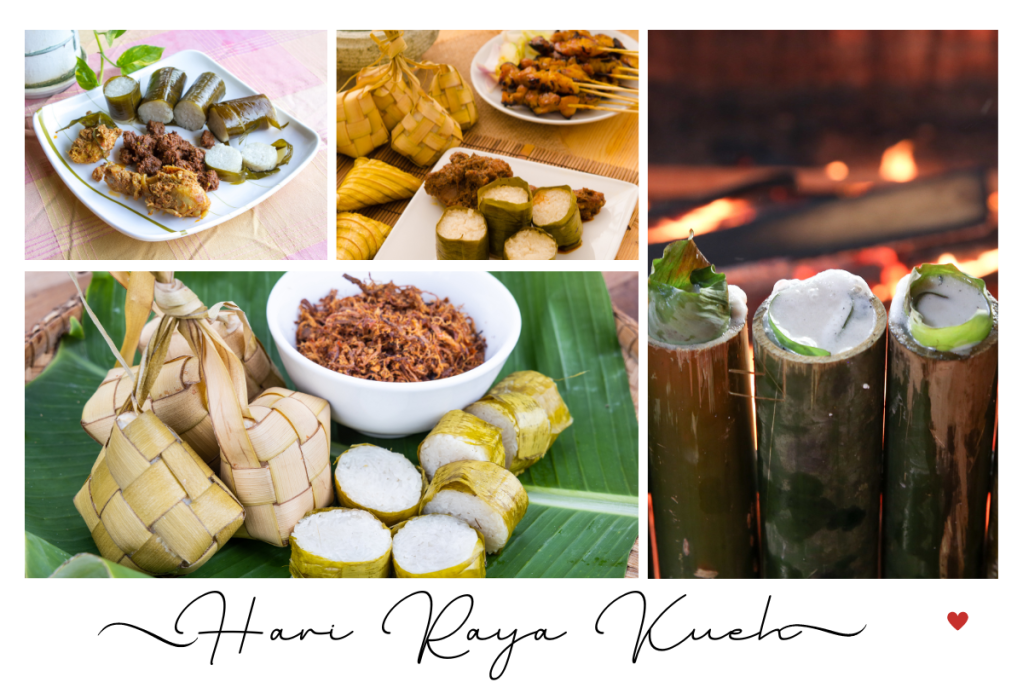
Hari Raya Kueh comes in a wide range of shapes, colors, and tastes, each with its unique name and cultural significance. Some popular varieties include Kuih Bangkit, which are small and delicate cookies made of coconut milk and tapioca flour, and Kuih Lapis, which is a layered cake made of rice flour and coconut milk.
Kuih Tart, which is a small pastry filled with jam or custard, is also a popular favorite among many. The crunchy and crumbly texture of the pastry paired with the sweet and flavorful filling is a match made in heaven.
Another traditional favorite is Kuih Bahulu, which is a fluffy and airy cake made of eggs, sugar, and flour. These cakes come in a variety of shapes, including the popular fish and flower shapes, and are often enjoyed with a cup of hot tea or coffee.
The process of making Hari Raya Kueh is an intricate one that requires precision and patience. The ingredients are mixed and cooked over low heat until the desired consistency is achieved. The mixture is then molded into the desired shapes and sizes and steamed or baked until cooked.
The artistry and craftsmanship that go into making these delectable treats are a testament to the rich cultural heritage of Singapore. Every Hari Raya Kueh tells a story of tradition, culture, and love. They are not just sweet treats but also an expression of the community’s collective identity and history.
In conclusion, Hari Raya Kueh is more than just a dessert. They are a reflection of Singapore’s rich cultural heritage, a celebration of tradition, and a testament to the country’s diverse and vibrant community. Enjoying these delectable treats during the festive season is not only a culinary experience but also an opportunity to connect with the community’s cultural roots.
As the Islamic holiday of Hari Raya Aidilfitri draws near, it is a time for merriment, festivities, and delectable delicacies. One of the most prominent aspects of Hari Raya is the mouth-watering assortment of traditional kueh that are prepared and shared amongst family and friends. These bite-sized treats are imbued with a rich cultural heritage and offer a delightful glimpse into the diverse culinary traditions of the Malay community.
The ingredients used in Hari Raya kueh vary depending on the type of kueh being made, but they often include a combination of rice flour, coconut milk, pandan leaves, sugar, and eggs. These ingredients are then mixed and blended to form a smooth batter, which is then poured into intricate moulds and steamed or baked until golden brown.
Other ingredients commonly found in Hari Raya kueh include grated coconut, palm sugar, gula melaka, and sweet potato. These ingredients add a unique flavour and texture to the kueh, elevating their taste and making them a favourite among those who indulge in them.
Overall, the ingredients used in Hari Raya kueh reflect the vibrant and diverse Malay culture, and their intricate preparation and unique taste continue to make them a popular choice during the festive season.
The origin of Hari Raya Kueh, a beloved and delectable traditional delicacy enjoyed by many, can be traced back to the cultural melting pot of Southeast Asia, where the local culinary scene has been heavily influenced by the cross-cultural exchanges between indigenous Malay, Chinese, and Indian communities.
Hari Raya Kueh, in particular, is believed to have originated from the Malay archipelago, where it was commonly prepared during festive occasions such as Hari Raya Aidilfitri, a significant holiday in the Muslim calendar. Its recipe and preparation methods have been passed down from generation to generation, preserving the cultural heritage of this timeless dessert.
The annual festivity of Hari Raya Kueh, a culturally significant event among the Muslim community, is commemorated with great zeal and enthusiasm in various regions across the globe. This occasion is celebrated on the first day of Shawwal, the tenth month of the Islamic lunar calendar, marking the end of the holy month of Ramadan, which involves fasting and spiritual reflection.
During this convivial period, Muslims engage in various religious practices, including congregational prayers, recitation of the Quran, and charitable acts. However, the highlight of the celebration is undoubtedly the traditional Hari Raya Kueh, delectable sweets and snacks that are an integral part of the festival.
The delectable Hari Raya Kueh come in various forms, shapes, and sizes, each bearing cultural significance and distinct flavors. These treats are often prepared using local ingredients, including coconut milk, palm sugar, and glutinous rice flour, among others.
The preparation of these toothsome delicacies is a communal activity that involves family and friends, who come together to exchange recipes and share their culinary skills. This not only strengthens the bonds of kinship but also perpetuates the rich heritage and traditions of the Muslim community.
In conclusion, the celebration of Hari Raya Kueh is a momentous occasion that serves as a testament to the cultural diversity and inclusivity of the Muslim faith. Through the sharing of delicious sweets and snacks, Muslims around the world come together to celebrate their unity and brotherhood.
Hari Raya Kueh, a momentous and culturally significant festival among the Muslim community, is celebrated with great fervor and enthusiasm, setting it apart from other festivals. This celebration occurs on the first day of Shawwal, the tenth month of the Islamic lunar calendar, marking the end of the sacred month of Ramadan, a time of spiritual reflection and fasting.
In contrast to other festivals, Hari Raya Kueh is characterized by a distinctive culinary experience, with delectable sweets and snacks taking center stage. These mouthwatering delicacies come in various shapes and sizes, each bearing cultural significance and unique flavors, and are often prepared using local ingredients such as palm sugar, glutinous rice flour, and coconut milk.
The preparation of these treats is a communal activity that brings families and friends together to exchange recipes, showcase their culinary prowess, and strengthen familial bonds. This communal practice fosters the preservation of traditional culinary customs, emphasizing the importance of cultural heritage in the Muslim community.
In comparison to other festivals, Hari Raya Kueh is distinguished by its emphasis on familial ties and culinary traditions, providing a platform for Muslims to celebrate their unity and shared cultural identity through the sharing of sweets and savories.
Moreover, unlike other festivals that are observed primarily in one country or region, Hari Raya Kueh is celebrated in various countries worldwide, including Malaysia, Singapore, Indonesia, and Brunei, to name a few.
In conclusion, the celebration of Hari Raya Kueh is a testament to the cultural richness and inclusivity of the Muslim faith, emphasizing the importance of culinary customs and communal bonding. While other festivals may differ in their practices and traditions, Hari Raya Kueh stands out for its distinctive culinary experience and global observance.
Hari Raya Kueh, the delectable confectionery that is an integral part of the Eid al-Fitr celebration among Muslims worldwide, is renowned for its diverse and flavorful ingredients.
This mouth-watering treat is crafted using a blend of local ingredients, which gives each delicacy its distinctive taste and cultural significance. Some of the primary ingredients used in the preparation of these sweets and savories include glutinous rice flour, coconut milk, and palm sugar.
Glutinous rice flour, a staple ingredient, is used as a binding agent and imparts a chewy texture to the confections. The addition of coconut milk, which is a common ingredient in Southeast Asian cuisine, adds a rich and creamy flavor to the Kueh.
Palm sugar, derived from the sap of various palm trees, is a crucial component that imparts a sweet and nutty flavor to the Kueh. Other ingredients such as pandan leaves, which are commonly used as a flavoring agent in Southeast Asian cuisine, and grated coconut, which is used to add texture and flavor to the confections, are also used in the preparation of Hari Raya Kueh.
The use of these ingredients not only adds flavor to the Kueh but also reflects the cultural and culinary diversity of the Muslim community. The preparation of these delicacies is often a communal activity, with families and friends gathering together to exchange recipes, share their culinary expertise, and strengthen familial bonds.
In Southeast Asia, Hari Raya Kueh is a prominent feature of the festivities, and it is served during the Eid al-Fitr celebration to family, friends, and guests. The tradition of making and sharing these delicacies has been passed down from generation to generation, and it remains an essential part of the celebration.
In conclusion, the unique blend of ingredients used in the preparation of Hari Raya Kueh underscores the importance of cultural heritage and culinary customs in the Muslim community. This communal culinary practice not only celebrates the diversity and inclusivity of the Muslim faith but also serves as a platform for the preservation and perpetuation of traditional culinary practices.
 Hey Singapore