
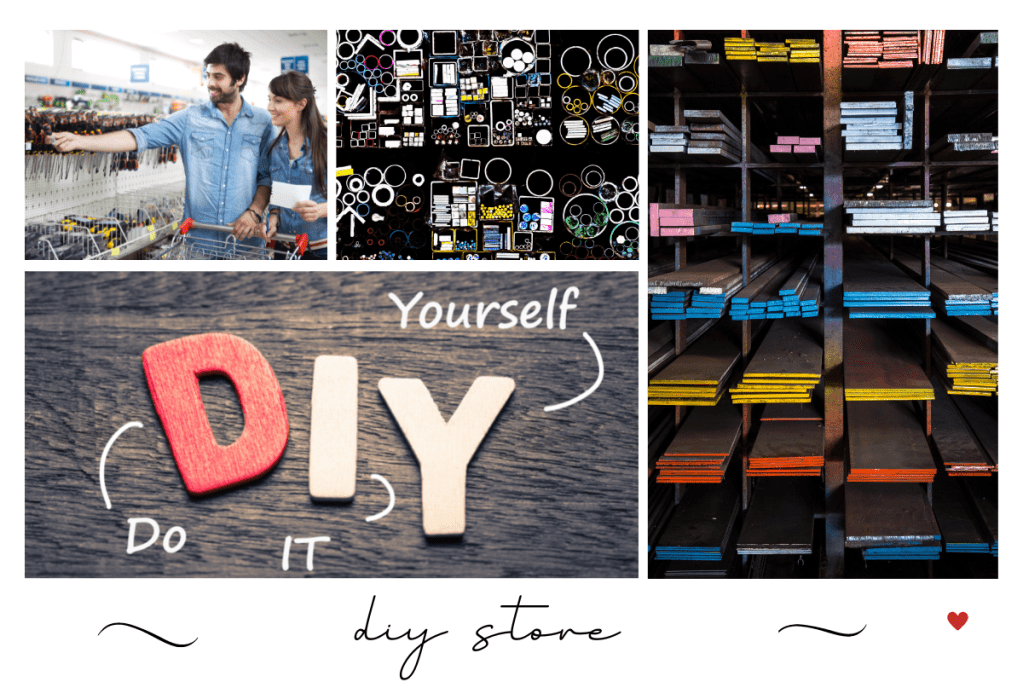
In contemporary times, the world of interior design and home renovation has been significantly transformed, with more individuals embracing the do-it-yourself (DIY) culture. A crucial aspect of achieving one’s DIY aspirations is a visit to the local DIY store, which provides a wide array of tools, materials, and inspiration to bring one’s vision to life.
In this article, we present ten exquisite and sophisticated DIY projects that can be tackled with supplies from the local DIY store. These projects are an excellent opportunity to explore one’s creativity while also adding a touch of elegance and functionality to one’s home.
Firstly, building a raised garden bed is an exceptional way to bring fresh herbs and vegetables into the home. With basic carpentry skills, supplies like lumber, screws, and a saw, a DIY enthusiast can create a garden bed that is both visually appealing and highly functional.
Secondly, creating a custom headboard from plywood, foam padding, and fabric is an exceptional way to add personality and style to one’s bedroom. This DIY project requires attention to detail and an eye for design to achieve a unique and stylish headboard.
Thirdly, installing new light fixtures is a quick and easy DIY project that can breathe new life into a room. With basic tools and new light fixtures, the ambiance of a room can be transformed, creating a fresh, modern look that is both chic and elegant.
Fourthly, upgrading the kitchen or bathroom faucet is an effortless DIY project that can significantly improve the functionality and appearance of a room. A visit to the local DIY store for some basic tools and a new faucet is all that is needed to achieve a more modern and functional look.
Fifthly, building a bookshelf is an excellent way to create additional storage space for books and other belongings while also adding a touch of sophistication to a room. With some lumber, screws, and a saw, a DIY enthusiast can create a custom bookshelf that fits perfectly in their home.
Sixthly, creating a DIY picture frame from wood, paint, or stain is a unique and personalized way to add a touch of personality to home decor. This DIY project requires patience, attention to detail, and an eye for design to achieve a frame that is both aesthetically pleasing and functional.
Seventhly, installing a new ceiling fan is an exceptional way to add functionality and style to a room. This DIY project requires some electrical skills, but with the right tools and a new ceiling fan, a DIY enthusiast can create an ambiance that is both comfortable and stylish.
Eighthly, building a storage bench is a stylish and functional way to add additional seating and storage space to one’s home. With some plywood, screws, and a saw, a DIY enthusiast can create a custom storage bench that complements the décor of the home.
Ninthly, creating a DIY fire pit is an exceptional way to create a cozy and relaxing atmosphere in the backyard. This DIY project requires materials such as bricks, gravel, and a metal fire pit ring. The result is a beautiful and functional fire pit that is perfect for spending time with friends and family.
Tenthly, upgrading the front door of a home is an exceptional way to add curb appeal and create a welcoming entrance. With some basic tools and a new door from the local DIY store, a DIY enthusiast can achieve a beautiful and functional front door that makes a great first impression.
In conclusion, the DIY culture is on the rise, and a visit to the local DIY store provides the inspiration and tools needed to bring one’s vision to life. The ten DIY projects presented in this article are excellent examples of how a DIY enthusiast can add elegance and functionality to their home. By embracing the DIY culture, one can add a personal touch to their home while also saving money on home renovation expenses.
How to Choose the right DIY Store
When embarking on a DIY project, it is imperative to exercise discernment in selecting an appropriate DIY store. The vast array of options available can be bewildering and confounding. Thus, we present to you some efficacious tips for choosing the right DIY store.
Firstly, the geographical location of the DIY store should be of paramount importance. It should be easily accessible from your domicile or office and located in a secure and safe environment with copious parking spaces. If the store is too distant, transportation costs may eclipse the expenses of the actual project.
Secondly, the stock inventory of the DIY store should be expansive and diverse, encompassing an assortment of tools, materials, and supplies for various types of projects. Ascertain whether the store has a website, where you can peruse their inventory and product evaluations. This will enable you to ascertain whether they possess the necessary items for your project.
Thirdly, the customer service of the DIY store should be exemplary, featuring obliging and knowledgeable staff who can cater to your project requirements. Scrutinize if the store provides online customer support or if they have a dedicated hotline for customer inquiries. This will expedite prompt and efficient responses to your queries.
Fourthly, consider the reputation of the DIY store. Investigate previous customer reviews and feedback to gain insight into the store’s reputation. You may peruse online review sites or solicit recommendations from friends and family. A DIY store that is held in high esteem is more likely to furnish quality products and services.
Fifthly, the pricing of the DIY store should be competitive and reasonable. Ascertain if the store proffers discounts or promotions on their products. Nonetheless, be vigilant of stores that advertise excessively low prices, as this may be indicative of low-quality products.
Lastly, the return policy of the DIY store should be equitable. It is advisable to choose a store that has an explicit return policy and offers refunds or exchanges for defective or damaged products.
In conclusion, selecting the right DIY store is pivotal for the success of your DIY project. Factor in the location, stock inventory, customer service, reputation, pricing, and return policy of the store when making your decision. By adhering to these guidelines, you can identify a DIY store that fulfills your needs and assists you in fulfilling your DIY aspirations.
Advantages of DIY Store
DIY stores have metamorphosed into a ubiquitous presence in the DIY landscape. These hallowed emporiums offer a litany of advantages to both seasoned DIYers and novice practitioners alike. With a diverse assortment of tools, materials, and equipment, DIY stores are veritable one-stop-shops for DIY aficionados. In this article, we will delve into the multifarious benefits of DIY stores and why they are now indispensable.
The foremost advantage of a DIY store is its extensive range of products. Typically, these stores stock a panoply of tools, materials, and equipment required for a vast array of projects. From a modest home improvement endeavor to a colossal renovation undertaking, DIY stores furnish all the requisite paraphernalia, all within a single location, sparing one valuable time and effort.
An additional boon of a DIY store is the expert advice and assistance available to patrons. Housed within these emporiums are erudite staff, well-versed in the technicalities of various products and their suitability to specific projects. These sagacious personnel can furnish invaluable guidance on product usage, proffering useful tips and tricks. Such expert tutelage is particularly beneficial to novice DIYers who are less familiar with the craft.
DIY stores also offer various rental services, granting access to specialized tools or equipment for a one-off project. Such rentals afford savings on the cost of purchasing expensive equipment and conserve storage space. This service can be advantageous to individuals lacking proficiency in certain tools who require assistance from the store’s trained professionals.
Many DIY stores also offer workshops and classes that cover a range of topics. These classes can be an excellent opportunity for individuals to acquire new skills and techniques while networking with other DIY enthusiasts.
Another perk of DIY stores is their competitive pricing. Owing to their substantial inventory and clout in the market, these stores often provide lower prices than their counterparts, rendering projects more financially attainable.
In conclusion, DIY stores epitomize a one-stop-shop for DIY aficionados, offering a gamut of benefits ranging from an extensive inventory to expert advice and assistance, rental services, workshops, classes, and cost-effective pricing. Whether one is a seasoned DIY veteran or a novice practitioner, a DIY store is an indispensable resource that can help transform DIY aspirations into realities.
Disadvantages of DIY Store
DIY stores, while undoubtedly a thriving hub for the do-it-yourself community, do come with their fair share of drawbacks, much like any other commercial enterprise. While there is much to be gained from perusing the aisles of a DIY store, it’s imperative to acknowledge some of the disadvantages that may not be immediately apparent. In this exposé, we will scrutinize some of the downsides of shopping at a DIY store.
One of the primary shortcomings of a DIY store is the overwhelming abundance of choices on offer. While an extensive range of tools and materials may seem advantageous, it can prove overwhelming and arduous to find the requisite item, causing irritation, vexation, and wasted time sifting through endless shelves and receptacles.
Another disadvantage of DIY stores is the paucity of bespoke service. Due to the vast volume of customers DIY stores serve each day, personalized attention and assistance can be hard to come by. This lack of specialized guidance can be especially frustrating for beginners or individuals taking on a complex project.
DIY stores can also be loud and congested, hindering concentration and focus. The incessant cacophony of power tools and machinery, coupled with a clamorous sea of shoppers, can be distracting and overwhelming, especially for those who prefer a more tranquil environment.
Another pitfall of DIY stores is the likelihood of procuring subpar products. Though most DIY stores stock reputable brands and products, cheaper, inferior items may be tempting due to their lower price. Nevertheless, purchasing low-quality products can be a costly mistake as they are often less durable and may need to be replaced sooner.
Finally, DIY stores can be more expensive than other retailers, particularly for specialty items and tools. While DIY stores offer competitive pricing on many items, they may not always have the best deals or promotions, making it challenging for individuals on a tight budget to find the products they require at a reasonable price.
In conclusion, while DIY stores offer an array of benefits, it’s imperative to be aware of their drawbacks as well. These include a surfeit of options, limited personal service, noisy and crowded surroundings, the risk of purchasing substandard products, and higher prices for specialty items. As with any shopping experience, it’s important to weigh the pros and cons and choose the option that best aligns with your needs and preferences.
 Hey Singapore