
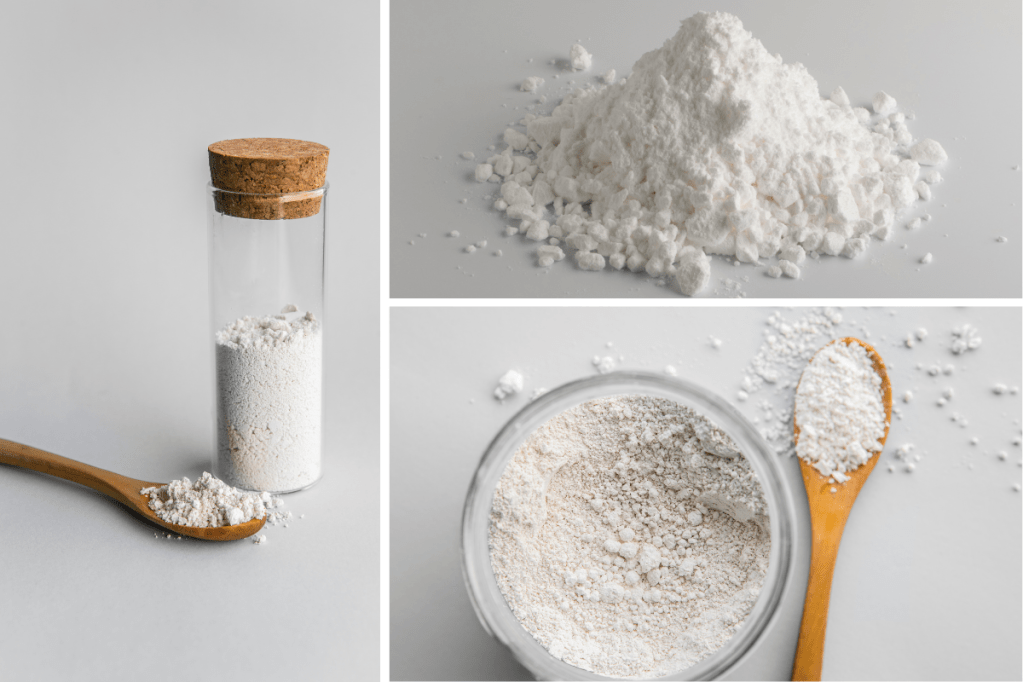
Diatomaceous earth is growing more and more well-liked in Singapore as a result of all of its advantages and applications. Its efficiency as a natural pest control agent, which is crucial in Singapore’s tropical environment where pests like ants and cockroaches are prevalent, is one of the key factors contributing to its popularity. Diatomaceous earth is an appealing option for homeowners and companies because it is a secure and non-toxic substitute for chemical pesticides.
Diatomaceous earth is used in water filtration to eliminate contaminants and enhance the quality of drinking water in addition to controlling pests. It is a preferred option for use in pet litter boxes and as a natural deodorizer due to its capacity to absorb moisture and odors.
Being a natural exfoliator that aids in removing dead skin cells and unclogging pores, diatomaceous earth is also becoming more and more well-liked in the skincare sector. It is said to offer anti-aging benefits and can assist in enhancing the general well-being and aesthetic of the skin.
The demand for diatomaceous earth in Singapore has increased due to the growing interest in ecological and sustainable products. It is a well-liked option for various applications because of its adaptability, efficacy, and eco-friendliness.
The Environmental Benefits of Diatomaceous Earth in Singapore
In Singapore, diatomaceous earth (DE) has a number of advantages for the environment. It is an environmentally safe and environmentally friendly pest management method. DE is harmless for beneficial insects, biodegradable, and leaves no hazardous leftovers behind. It can be used as a natural deodorizer and absorbent, as well as in locations where food is stored without contaminating the food. Singapore may encourage a more sustainable and environmentally benign method of pest control by employing DE and reducing its dependency on synthetic pesticides.
Does everyone benefit from Diatomaceous Earth?
Although it may not be appropriate for everyone, diatomaceous earth can be helpful for a variety of people. The U.S. Food and Drug Administration has authorized its usage as a food supplement since it is widely regarded as safe for human consumption. It’s crucial to keep in mind, though, that some people can be allergic to diatomaceous earth, and that it might irritate the respiratory system when inhaled in excessive doses.
Diatomaceous earth is typically regarded as safe for use near children and pets when used for pest control and other purposes. To minimize any potential dangers, it is crucial to adhere to the recommended handling and application instructions.
Diatomaceous earth can be a helpful exfoliator for most skin types when it comes to skincare, but individuals with sensitive or easily irritated skin should use it with caution or stay away from it entirely.
Thus, even though diatomaceous earth can have a variety of purposes and benefits, it is crucial to take into account each user’s demands as well as any possible risks before using it. Determining whether diatomaceous earth is a good choice for you may also be aided by speaking with a healthcare practitioner or skincare expert.
10 Advantages of Using Diatomaceous Earth in Pest Control
An organic, non-toxic product called diatomaceous earth (DE) can be used to get rid of pests. The following are some advantages of utilizing diatomaceous earth to control pests:
- Non-toxic: Using diatomaceous earth to control pests instead of hazardous chemicals is a safe and effective method. It does not leave behind any hazardous residues and is safe for both people and animals.
- Beneficial against a variety of pests: Ants, bed bugs, cockroaches, fleas, mites, and ticks are just a few of the many pests that diatomaceous earth is excellent against.
- Long-lasting: After being used, diatomaceous earth keeps working for a very long period. In dry conditions, it can continue to function for up to a year.
- Diatomaceous earth is simple to use in applications. It can be sprayed with water after being combined with it, or it can be sprinkled in cracks and crevices where bugs lurk.
- Diatomaceous earth is an environmentally beneficial pest management method. It is entirely biodegradable and formed from microscopic organisms’ petrified remains.
- Diatomaceous earth is an inexpensive pest control option. It costs a lot less than many other pest control alternatives.
- Beneficial insects, such as bees and ladybugs, which are crucial for pollination and organic pest management, are not harmed by diatomaceous earth.
- Diatomaceous earth is resistant to pests and can help stop infestations by making the region uninhabitable to them.
- Diatomaceous earth can be used to manage pests in areas utilized for food storage without polluting the food.
- Multipurpose: Diatomaceous earth has several uses besides being an absorbent and natural deodorizer.
Diatomaceous Earth and Its Role in Food and Beverage Production in Singapore
There are numerous uses for diatomaceous earth in Singapore’s food and beverage industry. It is frequently used as a filtration agent to clarify liquids like fruit juice, beer, and wine. Diatomaceous earth’s porous structure enables it to catch and remove contaminants and particles from the liquid, producing a clearer and cleaner finished product.
In the manufacture of food, food-grade diatomaceous earth is also employed as an anti-caking agent. It is added to meals that are granulated or powdered to increase flowability and prevent clumping. This is especially helpful in baking mixes, spices, and powdered milk.
Diatomaceous earth has filtering and anti-caking capabilities in addition to being a natural pesticide. It can be used in locations where food is stored to help control pests like ants and cockroaches. Insects’ exoskeletons can be scratched by their abrasive qualities, which causes dehydration and death.
Diatomaceous earth, a natural and efficient technique to clear liquids, avoid powder clumping, and manage pests, plays a significant role in preparing food and beverages in Singapore. It is a preferred option for many food producers and processors because of its adaptability and efficiency.
Diatomaceous Earth as a Mat Material
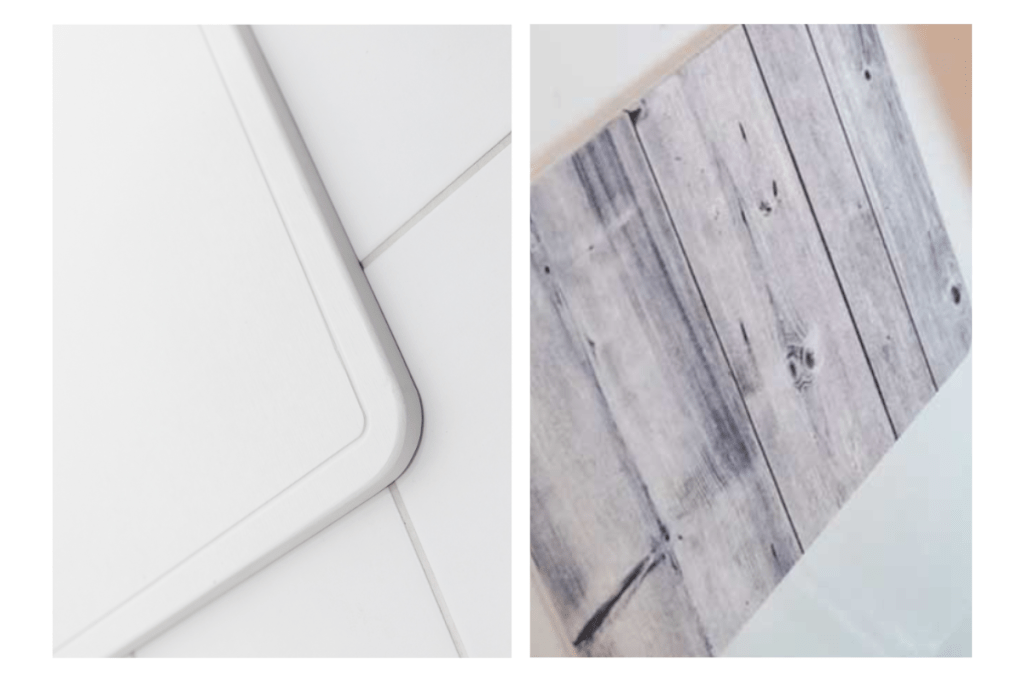
Being a natural and environmentally beneficial alternative to conventional mat materials, diatomaceous earth can also be utilized as a mat product. Diatomaceous earth mats are excellent for use in bathrooms, kitchens, and other places where spills and moisture are frequent since they are highly absorbent and can efficiently trap moisture, dirt, and aromas.
Diatomaceous earth is a fantastic choice for a mat material because of its special qualities. Diatomaceous earth mats dry out rapidly thanks to the material’s capacity to absorb moisture, which can help stop the development of mold and germs. Diatomaceous earth’s abrasive properties also make it useful for cleaning and removing dirt and debris from the bottoms of shoes.
Diatomaceous earth mats are not only useful but also sustainable and good for the environment. They are constructed of natural materials and are biodegradable, so after their useful lives are over, they can be composted.
Diatomaceous earth mats are an all-around useful and adaptable option for use in a range of situations, and they are quickly gaining popularity in Singapore thanks to their efficiency, sustainability, and special qualities.
Diatomaceous Earth Mats VS Traditional Mats
Here are three ways that diatomaceous earth mats differ from regular mats:
Diatomaceous earth mats are far more absorbent than regular mats, which may not be as absorbent. Diatomaceous earth mats can so effectively capture moisture and liquids, hence reducing the risk of slips and falls. Traditional mats might also be able to absorb moisture, but perhaps not as well.
Diatomaceous earth mats have inherent antibacterial qualities, which means that they prevent the development of bacteria and other microbes. This makes it easier to maintain the mat’s cleanliness and hygienic conditions, even in moist areas like bathrooms and kitchens. Traditional mats do not have this quality and therefore need to be cleaned frequently to stop the growth of bacteria.
Diatomaceous earth mats can be composted after their useful lives because they are formed of natural components and are biodegradable. Traditional mats could be composed of synthetic, non-biodegradable materials, which might add to environmental waste.
Generally, diatomaceous earth mats differ from conventional mats in that they have special qualities and advantages like absorbency, antibacterial characteristics, and environmental friendliness.
Reminders regarding Diatomaceous Earth
The following considerations should be made while utilizing diatomaceous earth:
- Handling safety measures: To prevent breathing in the tiny dust particles when handling diatomaceous earth, it is crucial to wear protective gear including gloves, a mask, and eye protection.
- To be most effective, diatomaceous earth should be spread in a thin, even coating. Too much application could cause it to clump and lose its effectiveness.
- Diatomaceous earth should be kept out of the reach of children and pets and kept in a cold, dry location for storage. It must not be kept in close proximity to food or in locations where it might come into contact with moisture.
- Cleaning: To prevent distributing the tiny particles when cleaning up diatomaceous earth, use a vacuum or a moist cloth. It’s critical to take safety precautions when cleaning up the dust because it might be dangerous if inhaled.
- Diatomaceous earth is used for a variety of things, but it’s crucial to pick the right kind for the job. Some varieties of diatomaceous earth might be meant for industrial or agricultural use, while food-grade diatomaceous earth can be utilized in and around the house.
Consequently, diatomaceous earth is a natural product that can be useful and effective, but it must be used cautiously and responsibly to reduce any hazards or undesirable consequences.
 Hey Singapore