
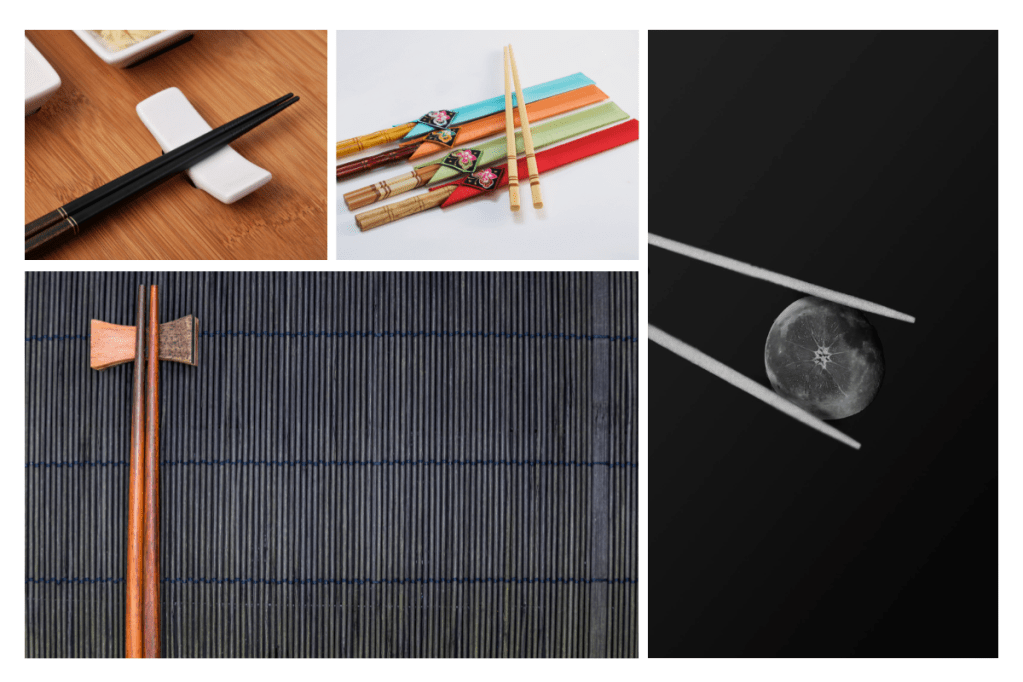
Chopsticks, those slender and elegant utensils, are undoubtedly one of the most iconic symbols of Asian culture. With a long-standing tradition of use in countries like China, Japan, Korea, and Vietnam, chopsticks are celebrated for their practicality, versatility, and aesthetic appeal.
The history of chopsticks dates back to ancient China, where they were initially employed as cooking rather than eating utensils. The earliest chopsticks were fashioned from bamboo or other natural materials and were used to stir and manipulate food in pots and pans. As time passed, they became a popular alternative to knives and other sharp utensils, and their use quickly spread throughout Asia.
The evolution of chopstick design is an intriguing tale, with various cultures producing unique styles and shapes. For instance, Japanese chopsticks are shorter and tapered at one end, while their Chinese counterparts are longer and have a more uniform shape. On the other hand, Korean chopsticks are constructed from metal or wood and feature a flat, rectangular shape. Vietnamese chopsticks are longer and more delicate than those used in other countries, showcasing remarkable creativity and uniqueness.
Despite their differences in design, they share certain features that render them ideal for consuming a vast array of foods. One of the most crucial aspects of chopsticks is their unmatched ability to grab and manipulate small or delicate pieces of food, such as single grains of rice or thin slices of fish. This ability is vital when consuming dishes like sushi, sashimi, and dim sum, necessitating considerable finesse and skill.
In addition to their impressive talent, chopsticks are incredibly versatile. Unlike spoons or forks with limited use, chopsticks can perform various functions, from stirring and mixing to picking up and transferring food. Moreover, in a pinch, they can also serve as makeshift knives or forks, making them an indispensable tool in any kitchen.
However, beyond their practical uses, chopsticks possess a significant cultural and symbolic significance that extends well beyond their utensil functions. In many Asian cultures, using chopsticks is viewed as a demonstration of respect and good manners, reflecting values such as harmony, balance, and simplicity. The symbolic importance of chopsticks transcends their practical purposes, cementing their status as a treasured and celebrated icon of Asian culture.
For example, in Japan, the use of chopsticks is tied to the concept of “wabi-sabi,” which emphasizes the beauty of imperfection and the appreciation of natural materials. In China, chopsticks are associated with “li,” which refers to proper behavior and etiquette. In Korea, they are seen as a symbol of respect for one’s elders and ancestors.
In addition to their cultural significance, chopsticks play a role in health and wellness. Studies have suggested that chopsticks can help improve hand-eye coordination, increase mindfulness and awareness while eating, and even promote weight loss by encouraging slower and more conscious eating.
Overall, chopsticks are a fascinating and complex topic with a rich history and many uses and meanings. Whether you’re a seasoned chopstick user or a newcomer to the world of Asian cuisine, they are a symbol of cultural exchange and culinary innovation that continues to inspire and fascinate people worldwide.
Chopsticks offer many benefits, making them an ideal tool for eating various foods. Here are some of the key benefits of using chopsticks:
Precise Control – One of the most significant benefits of chopsticks is their unparalleled ability to provide precise control when picking up and transferring food. The tiny, tapered ends of chopsticks allow for exceptional accuracy when manipulating even the smallest morsels of food, making them a go-to utensil for dishes such as sushi or dim sum.
Less Grease – Chopsticks can also be an excellent alternative to utensils such as forks and spoons when eating oily or greasy foods. Because chopsticks lack the prongs or edges of a knife, they can help prevent your fingers from getting greasy and allow for a cleaner, more hygienic eating experience.
Portion Control – Additionally, chopsticks can serve as a valuable tool for portion control. Picking up and transferring food with chopsticks requires more time and effort than using traditional utensils, making it easier to slow down your eating and better control the amount of food you consume.
Better Digestion – Besides portion control, some research has suggested that chopsticks can help promote better digestion. The slower, more deliberate eating style that chopsticks encourage can help stimulate the release of digestive enzymes and improve the overall digestion process.
Fewer Germs – Unlike Western utensils like forks and knives, chopsticks don’t come into contact with your mouth, making them a more hygienic option for eating in public places such as restaurants or food courts.
Improved Hand-Eye Coordination – Using chopsticks requires a certain level of skill and control, which can help improve hand-eye coordination, especially in children. Using chopsticks can help develop fine motor skills and make it easier to perform other everyday tasks.
Cultural Experience – Using chopsticks can be fun and educational to experience different cultures and cuisines. Whether trying sushi for the first time or enjoying a bowl of pho, chopsticks can help you fully immerse yourself in the dining experience and appreciate the cultural significance of this unique utensil.
While chopsticks may take some practice to master, their benefits are well worth the effort. From precise control and portion control to improved digestion and better hand-eye coordination, chopsticks are a versatile and practical tool that can help enhance your dining experience. So the next time you’re faced with a pair of chopsticks, don’t be intimidated – embrace the challenge and enjoy its many benefits.
While it may seem intimidating initially, with some practice and patience, anyone can learn to use chopsticks like a pro.
Here are some tips on how to use chopsticks:
Hold the chopsticks correctly
The first step in using chopsticks is to hold them correctly. Start by placing one chopstick between your thumb and index finger near the top of the stick. Then, hold the second chopstick with your other hand, using your thumb and index finger to grip it about one-third of the way down from the top.
Position the chopsticks
Next, position the chopsticks, so they are parallel and about one-third up from the bottom of the sticks. The bottom tips of the chopsticks should be even with each other.
Use your fingers to move the chopsticks.
When using chopsticks, you must use your fingers to move them, not your entire arm. To pick up food, bring the chopsticks together by moving your index and middle fingers toward your thumb. Then, gently squeeze the food between the tips of the chopsticks and lift it.
Practice, practice, practice
Like any skill, using chopsticks takes practice. Start by using chopsticks to pick up larger pieces of food, such as slices of meat or vegetables. As you become more comfortable, you can move on to smaller, more delicate foods like rice grains or peas.
Be patient
Learning to use chopsticks can sometimes be frustrating, but it’s essential to be patient and not give up. Take your time, and remember that practice makes perfect.
Don’t stab or spear food.
One common mistake people make when using chopsticks is stabbing or spearing their food. This is considered rude in many cultures and can damage the food or cause it to fall apart. Instead, use the tips of the chopsticks to pick up and gently grip the food.
Use chopstick rests
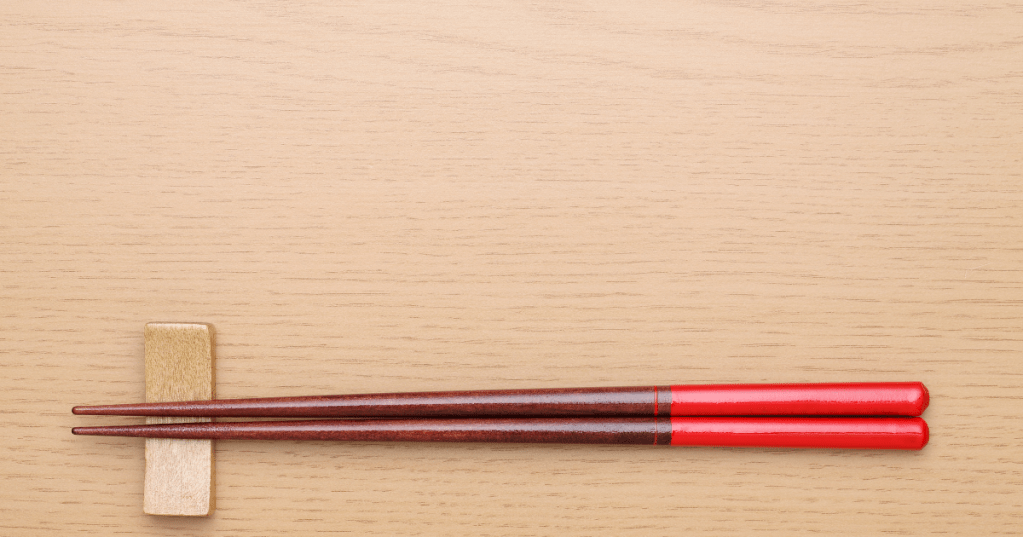
When dining at a restaurant or in someone’s home, it’s common to use chopstick rests to keep the chopsticks clean and off the table. If chopstick rests are provided, place them on them when you’re not using them.
Adjust your grip
If your grip is too loose or tight, you can adjust it by sliding the chopstick up or down. Experiment with different grips until you find one that feels comfortable and allows you to control the chopsticks easily.
Try different types of chopsticks.
Chopsticks come in various materials and sizes, from bamboo and plastic to metal and ivory. Experiment with different types of chopsticks to find the ones that work best for you. Some people prefer thicker chopsticks for a better grip, while others prefer thinner ones for more control.
Use chopstick trainers
If you’re having trouble getting the hang of using chopsticks, try using chopstick trainers. These small plastic or silicone devices clip onto the chopsticks and help guide your fingers into the correct position. They can be accommodating to children or people with limited dexterity.
Use chopsticks to enhance your dining experience.
Using chopsticks can be a fun and unique way to enhance your dining experience. Whether you’re enjoying a sushi roll, a bowl of ramen, or a plate of stir-fry, using chopsticks can help you fully immerse yourself in the flavors and textures of the food. Plus, it’s a great conversation starter and can help you connect with people from different cultures.
Learning to use chopsticks can be a fun and rewarding experience. By following these tips and practicing regularly, you’ll soon be able to use chopsticks like a pro. So the next time you’re dining at a Japanese restaurant or enjoying a bowl of pho, embrace the challenge and use chopsticks to immerse yourself in the cultural experience fully.
 Hey Singapore