
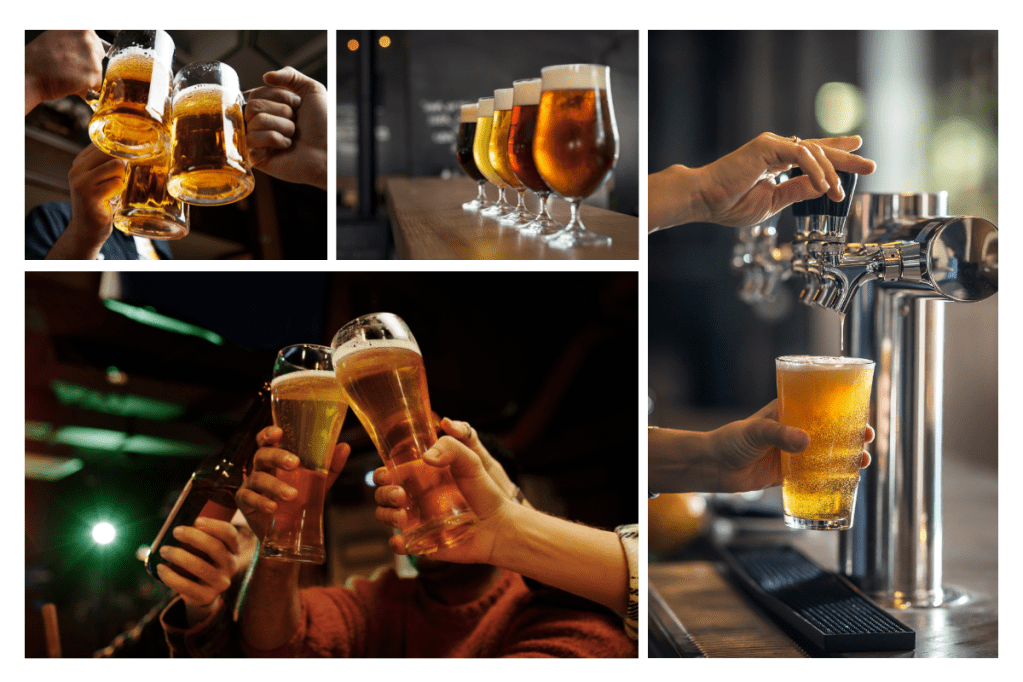
Beer has been around for thousands of years, and it remains one of the most popular alcoholic beverages in the world. Whether you’re enjoying a cold brew on a hot summer day or sipping a rich, malty stout by the fire, beer is a beverage that can be enjoyed in a variety of situations.
Beer ferments grains, typically malted barley, with yeast and water. The specific ingredients used and the brewing process can vary widely, resulting in various beer styles, each with unique characteristics.
One of the critical factors contributing to beer diversity is the type of yeast used in the fermentation process. Two main types of yeast are used in brewing: ale yeast and lager yeast. Ale yeast ferments at warmer temperatures and produces a range of fruity and spicy flavors, while lager yeast ferments at cooler temperatures and produces a clean, crisp taste.
In addition to yeast, the brewing grains can significantly impact the beer’s flavor. Different types of malted barley, such as roasted barley or wheat malt, can contribute to the beer’s color and flavor profile. Hops, used primarily as a bittering agent, can also add various flavors and aromas to the finished product, from floral and citrusy to earthy and spicy.
Types of Beer
One of the great things about beer is the sheer variety of styles available. From light and refreshing pilsners to rich and complex Belgian ales, there is a beer for every taste preference. Some of the most popular beer styles include:
Pilsner: A light, crisp beer with a slightly bitter finish, pilsners are a popular choice for those who prefer a lighter, refreshing beer.
IPA: Short for India Pale Ale, IPAs are known for their hoppy, bitter flavor and are a favorite among craft beer enthusiasts.
Stout: A dark, rich beer with a creamy head and flavors of coffee, chocolate, and roasted malt, stouts are a popular choice for those who prefer a more robust beer.
Wheat beer: Made with wheat malt instead of barley malt, wheat beers are typically light and refreshing with a cloudy appearance and flavors of banana and clove.
Porter: Like stouts, porters are dark, full-bodied beers with roasted malt flavors. However, they are typically less bitter than stouts and have a slightly sweeter taste.
Sour beer: As the name suggests, sour beers taste tart and acidic. They are brewed using specific bacteria that produce lactic acid, which gives the beer its distinct sourness. Sour beers can come in many different styles, including Berliner Weisse and Gose.
Belgian ale: This beer category covers a wide range of styles, but they are all typically characterized by fruity and spicy flavors. Some popular Belgian ale styles include Saisons, Dubbels, and Tripels.
While beer is often enjoyed independently, it can also be paired with various foods to enhance both flavors. Lighter beers like pilsners and lagers pair well with seafood, while stouts and porters are an excellent match for chocolate and other decadent desserts. IPA’s bold, hoppy flavor makes it a perfect game for spicy foods like Mexican or Indian cuisine.
In addition to being a tasty beverage, beer also has some potential health benefits. Moderate beer consumption has been linked to a lower risk of heart disease, stroke, and diabetes, as well as improved bone density and cognitive function. However, it’s important to note that excessive beer consumption can have adverse health effects, including an increased risk of liver disease and other health problems.
Beer is a beloved beverage enjoyed for thousands of years. With its wide range of styles and flavors, there is a beer for every taste preference. Whether enjoying a cold one on a hot day or sipping a rich, malty stout by the fire, beer is a versatile and enjoyable beverage that can be savored in various situations.
Types of Beer Glasses
Beer, the beloved beverage of many, has much more going on than meets the eye. There’s more to a beer than just its taste, and one of the key players in unlocking the full potential of the drinking experience is the beer glass. It may seem insignificant, but different beer styles require unique characteristics that can only be brought out with the right glass. This article will delve deep into the importance of beer glasses and how they can make or break your drinking experience.
Pilsner Glass
Let’s start with the Pilsner glass, a tall and slim beauty with a tapered shape that showcases the beer’s clarity and enthusiasm. This glass is the perfect companion for Pilsner, a lager known for its light, crisp, and refreshing taste. The Pilsner glass is designed to preserve the beer’s carbonation, keeping it fizzy and bubbly from start to finish.
Tulip Glass
Next up, we have the Tulip glass, a versatile glass that can handle a variety of beer styles, including Belgian ales, IPAs, and stouts. The Tulip glass features a bulbous bowl that tapers towards the top, with a flared rim that captures the beer’s aromas. This glass allows for a generous head, essential for hoppy beers requiring ample space for their aromatic compounds to escape.
Weissbier Glass
It is moving on to the Weissbier glass, a tall and slim glass with a slightly curved shape that enhances the beer’s hazy appearance, a hallmark of the Weissbier style. This glass is perfect for this beer, brewed with a significant portion of wheat malt. The narrow shape of the glass preserves the beer’s carbonation, ensuring it remains effervescent throughout the drinking experience.
Snifter Glass
The Snifter glass is another player in the beer glass game, explicitly designed for solid and aromatic beers such as barleywines, Belgian ales, and imperial stouts. Its large bowl tapers towards the top, with a short stem and broad base, perfect for capturing the beer’s intense and complex aromas. The wide bottom of the glass allows the beer to warm up slightly, releasing even more flavors and aromas.
Stout Glass
Finally, the Stout glass is explicitly designed for dark, full-bodied, stout beers. This glass has a large bowl that tapers towards the top with a significant curvature accentuating the beer’s creamy, velvety mouthfeel. The broad base allows for a generous head, which helps release the beer’s complex aromas.
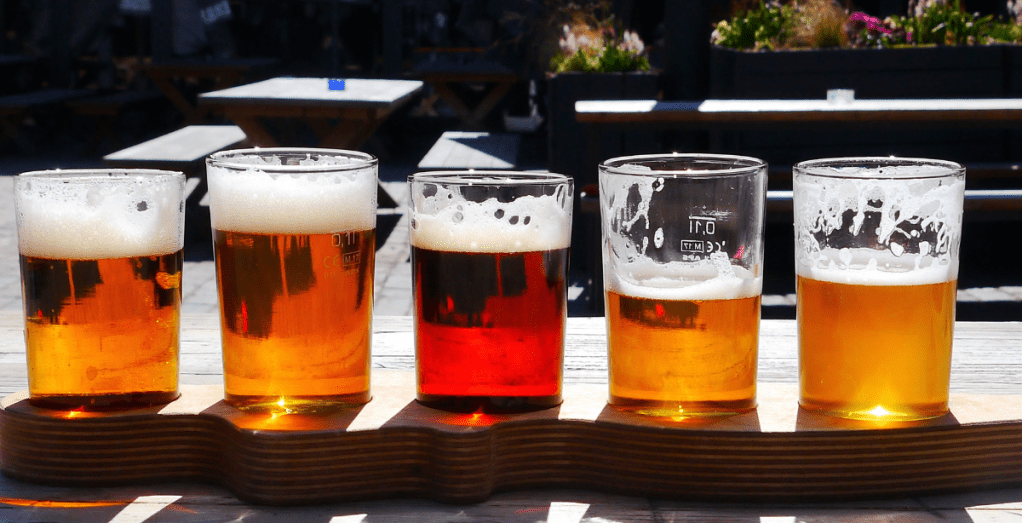
It’s also important to note that the material of the glass can also affect the beer-drinking experience. Glass is the most popular material for beer glasses, as it is transparent, inert, and easy to clean. However, other ceramic, metal, and plastic materials can also be used for specific beer styles. For example, ceramic is often used for traditional German beers; metal glasses can help keep beers cold for more extended, and plastic glasses are great for outdoor events.
Another factor to consider is the size of the glass. A giant glass can hold more beer and allow for a more extended drinking experience, but it can also lead to a loss of carbonation and a flattening of the beer’s flavors. A smaller glass can help preserve the beer’s effervescence and taste but may not be ideal for sipping and savoring.
Beer glasses can also be a great way to express personal style and taste. Many breweries and beer enthusiasts collect and display beer glasses to showcase their love for different beer styles and brands. Some glasses even feature unique designs and logos, making them functional, collectible, and decorative.
In addition to enhancing the drinking experience, beer glasses also play a role in the presentation and marketing of beer. Many breweries have their own branded glasses, which not only serve as a way to showcase the beer’s unique characteristics but also as a marketing tool. Beer glasses can be a way to differentiate a brand from its competitors and create a memorable experience for the consumer.
Beer glasses are an essential part of the beer-drinking experience. The right glass can enhance the beer’s flavors, aromas, and appearance and express personal style and taste. Beer glasses can also be a marketing tool for breweries and can help differentiate a brand from its competitors. So, whether you’re a casual beer drinker or a seasoned beer enthusiast, choosing the right glass for your beer can significantly impact your overall drinking experience.
It’s also crucial to clean beer glasses thoroughly, as any residual oils, soap residue, or other impurities can affect the taste and aroma of the beer. Rinse the glass with hot water to remove any leftover beer, and then use a soft sponge or cloth to wash it with mild detergent. Rinse the glass thoroughly with hot water to remove any detergent residue, then let it air dry, avoiding using a towel or cloth that could leave fibers or lint on the glass.
Beer glasses are essential to the drinking experience and can significantly impact different beer styles’ flavors, aromas, and appearance. Choosing the right glass for your beer can enhance your enjoyment of the brew and fully help you appreciate its unique characteristics. Whether you prefer a crisp pilsner, a hoppy IPA, a hazy wheat beer, or a rich, full-bodied stout, there is a beer glass that is perfect for the style. So next time you crack open a cold one, consider the glass you’re using and how it can make your drinking experience even more enjoyable.
 Hey Singapore