
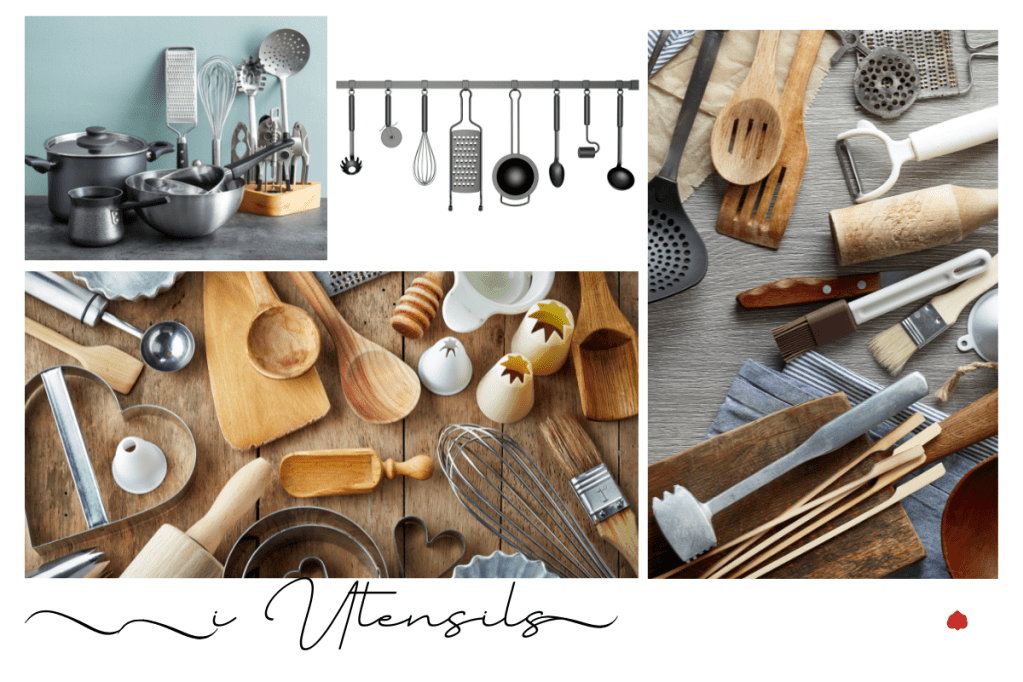
Utensils, the indispensable implements of the culinary domain, bear witness to the evolution of human civilization. These multifarious tools, differing in shape and size, fulfill diverse functions in food preparation, cooking, and presentation. Their origin traces back to the ancient Mesopotamian and Egyptian civilizations where rudimentary versions fashioned from bone, wood, and stone were employed for chopping, grinding, and mixing comestibles.
As civilization advanced, the utensils evolved, with the advent of metalworking marking a paradigm shift. Bronze, copper, and later, iron, constituted the materials of choice for utensil fabrication. The opulent banquets of Ancient Greece and Rome utilized utensils to embellish the presentation and enjoyment of feasts. The Middle Ages witnessed the use of wooden utensils for cooking and serving food, while the Renaissance era saw the emergence of silver and other precious metals for utensil creation, reflecting the ostentatious nature of European courtly festivities.
In the contemporary epoch, utensils are indispensable tools for culinary enthusiasts. Stainless steel, silicone, and plastic are the diverse materials from which they are now made, with each utensil crafted for a specific culinary task, ranging from stirring and mixing to cutting and serving.
The importance of utensils in the kitchen is inestimable. Beyond facilitating efficient and facile cooking, these implements play an instrumental role in ensuring the safe and hygienic preparation of food, precluding the spread of bacteria and guaranteeing edibles’ wholesome nature. In addition to their functional value, utensils augment the overall aesthetic and pleasure of the culinary experience.
Essential Utensils
Every kitchen should have essential utensils that are versatile and designed to make cooking easier and more efficient. In this article, we will explore the must-have utensils that every home cook should have in their kitchen.
Chef’s Knife
An exemplary chef’s knife is a pivotal apparatus in any kitchen. It is versatile and can be utilized for chopping, slicing, dicing, and mincing. An excellent quality chef’s knife will possess a sharp blade, a comfortable handle, and exude a well-balanced feel.
Cutting Board
A cutting board is an essential culinary implement that serves to shield your countertop and provide a stable surface for chopping and cutting. It is available in a variety of materials, such as wood, plastic, and bamboo. A cutting board of exceptional quality will be durable, easy to cleanse, and have a non-slip surface to avert accidents.
Mixing Bowls
Mixing bowls are versatile implements that are used for amalgamating ingredients, marinating meat, and serving dishes. They come in various sizes and materials such as glass, stainless steel, and plastic. A mixing bowl of superior quality should be durable, easy to purify, and possess a non-slip bottom.
Measuring Cups and Spoons
Measuring cups and spoons are imperative implements that facilitate the accurate measurement of ingredients. They come in various sizes and materials such as plastic, stainless steel, and glass. A quality set of measuring cups and spoons will feature lucid markings and be facile to cleanse.
Wooden Spoons
Wooden spoons are versatile implements that serve to stir, mix, and sauté. They are gentle on cookware and do not inflict scratches on non-stick surfaces. A wooden spoon of exemplary quality should be robust, smooth, and facile to cleanse.
Spatula
A spatula is an essential implement that serves to flip, turn, and serve food. It comes in various shapes and sizes and is made of materials such as metal, silicone, and plastic. A spatula of superior quality will be durable, heat-resistant, and facile to cleanse.
Tongs
Tongs are versatile implements that serve to flip, turn, and serve food. They come in various sizes and materials such as metal and silicone. A superior set of tongs will be durable, possess a comfortable grip, and be facile to cleanse.
Colander
A colander is an essential implement that serves to drain pasta, vegetables, and fruits. It is available in various sizes and materials such as metal and plastic. A colander of exemplary quality will feature a sturdy base, be facile to cleanse, and possess small perforations to prevent food from falling through.
Peeler
A peeler is an indispensable implement that serves to peel vegetables and fruits. It comes in various shapes and sizes and is made of materials such as metal and plastic. A superior quality peeler will feature a sharp blade, be facile to grip, and facile to cleanse.
Specialized culinary instruments are equally crucial as essential utensils in the kitchen. They are tailored to perform specific tasks and are capable of enhancing the efficiency and enjoyment of cooking. In this discourse, we will expound on the significance of specialized utensils and the advantages they offer to your kitchen.
Garlic Press
Garlic is a ubiquitous ingredient in many cuisines, but chopping it can be time-consuming and leave an odor on your hands. A garlic press is a specialized culinary instrument that crushes garlic cloves, releasing their flavor and aroma without the need for chopping. It is an indispensable tool for any home cook who relishes incorporating garlic into their dishes.
Mandoline Slicer
A mandoline slicer is a specialized culinary instrument that produces thin and uniform slices of vegetables and fruits. It is perfect for creating potato chips, zucchini noodles, and delicate slices of fruit for desserts. It saves time and produces uniform cuts, making it a crucial tool for home cooks who enjoy experimenting with different recipes.
Pastry Brush
A pastry brush is a specialized culinary instrument that is employed to apply sauces, glazes, and oils to food. It is ideal for coating baked goods with egg wash or brushing oil on vegetables before roasting. It is an indispensable tool for home bakers and cooks who aim to add a finishing touch to their dishes.
Fish Spatula
A fish spatula is a specialized culinary instrument designed for flipping delicate foods such as fish fillets and eggs. It has a thin, flexible blade that slides effortlessly beneath food without breaking it. It is an indispensable tool for home cooks who are passionate about cooking seafood and want to maintain its delicate texture.
Immersion Blender
An immersion blender is a specialized culinary instrument that blends soups, sauces, and smoothies directly in the pot or container. It eliminates the need for transferring hot liquids to a blender, making cooking more efficient and less chaotic. It is an essential tool for home cooks who aspire to create velvety soups and sauces without the bother of using a traditional blender.
Pizza Cutter
A pizza cutter is a specialized culinary instrument that can easily and quickly slice through pizza and flatbreads. It has a sharp blade that can also be used for cutting herbs and other ingredients. It is an indispensable tool for home cooks who enjoy making homemade pizza or baking flatbreads.
The caliber of culinary instruments employed in the kitchen has a profound impact on the quality of cuisine we produce. Utensils of superior quality not only facilitate cooking, but also exhibit durability, making them a sound investment for any culinary artist. This article aims to explicate the advantages of using high-quality utensils and the diverse materials that contribute to their construction.
High-quality utensils are fashioned from robust materials, characterized by their resistance to rust and abrasion. Thus, they can endure the taxing effects of daily use and remain in pristine condition for years. The use of high-quality utensils also guarantees that the cuisine you prepare is free from contamination with rust or other deleterious materials that may be found in inferior utensils.
Moreover, high-quality utensils are often crafted with ergonomic features, rendering them more comfortable to use. Such utensils may be equipped with non-slip grips or contoured handles that fit snugly in your hand, mitigating the risk of fatigue or injury to the hand. This enhances the pleasure of cooking, while also reducing stress.
Materials Employed in Utensil Construction
Various materials are employed in the construction of high-quality utensils. Here are some of the most common
Stainless steel is a popular choice for utensils as it is durable, non-reactive, and facile to clean. It is impervious to rust, stains, and corrosion, making it an ideal material for culinary tools.
Silicone is a heat-resistant material that can withstand temperatures of up to 600 degrees Fahrenheit. It is also non-stick and facile to clean, making it ideal for use in baking and cooking.
Wooden utensils are sought-after for their natural aesthetic appeal and tactile feel. They are gentle on delicate surfaces, and their inherent antibacterial properties make them an excellent choice for cooking and serving cuisine.
Nylon is a sturdy and robust material that can withstand high temperatures. It is also lightweight and facile to clean, making it an ideal material for utensils.
Ceramic utensils are often utilized for serving cuisine, as they are ornamental and can lend an air of sophistication to any table setting. They are also non-reactive and facile to clean.
The accouterments in our daily regimen that we utilize for preparing, serving, and consuming food are deemed fundamental. Hence, it is of utmost importance to maintain them appropriately to ensure their longevity and safety during usage. Here are some sophisticated pointers on how to correctly maintain your utensils.
Expediently Clean Your Utensils After Use
The first step in maintaining your utensils is to clean them diligently after every usage. Employ warm water and soap to scrub your utensils, and thoroughly rinse them to eliminate any residual soap. Eschew harsh detergents or abrasive scouring pads that can scratch the surface of your utensils. For stubborn stains or adhesive food particles, utilize a mild scouring pad or soak the utensils in warm water for a few minutes before cleaning.
Effectively Dry Your Utensils
Post cleaning, effectively dry your utensils before storing them. Moisture on your utensils can foster rust or bacteria, which can be detrimental to your health. Employ a hygienic towel or air-dry your utensils on a drying rack. Make certain that your utensils are completely dry before storing them.
Properly Store Your Utensils
Appropriate storage is crucial to maintain your utensils. Store your utensils in a dry, sanitary location to preclude rust or corrosion. Refrain from storing them in a damp area or leaving them in the sink. Employ a utensil holder or drawer organizer to keep your utensils organized and within reach.
Regularly Polish Your Utensils
To retain the luster and brand-new look of your utensils, polish them regularly. You can utilize a soft cloth or specialized polishing cloth to polish the surface of your utensils. This process will eliminate any tarnish or stains and restore their original shine.
Handle Your Utensils with Care
Handle your utensils with care to prevent scratches or dents. Avoid using metallic utensils on non-stick surfaces or ceramic cookware, as this can damage the surface. Instead, utilize silicone or wooden utensils. Additionally, be cautious when storing and stacking your utensils to avoid accidental damage.
To conclude, culinary utensils are an indispensable component of any kitchen, as they facilitate cooking and meal preparation by simplifying tasks and boosting efficiency. From rudimentary implements such as cutlery and knives to specialized equipment such as sieves and colanders, appropriate utensils can help you achieve culinary perfection.
Distinct types of utensils are designated for specific purposes, such as mixing, cutting, slicing, measuring, and more. Understanding their intended function is crucial to select the appropriate tool for the task and avoid accidents or destruction of cookware.
Opting for superior-quality utensils is a judicious choice, as they can endure for years and outperform their inferior and cheaper counterparts. Adhering to proper utensil maintenance guidelines, such as cleaning and storing them correctly, can also prolong their longevity and preserve their functionality.
In summary, utensils are an imperative facet of culinary artistry, and selecting the correct instruments can make a world of difference in the kitchen. By investing in premium utensils and observing the appropriate maintenance protocols, you can attain optimal performance and produce flawless culinary creations.
 Hey Singapore