
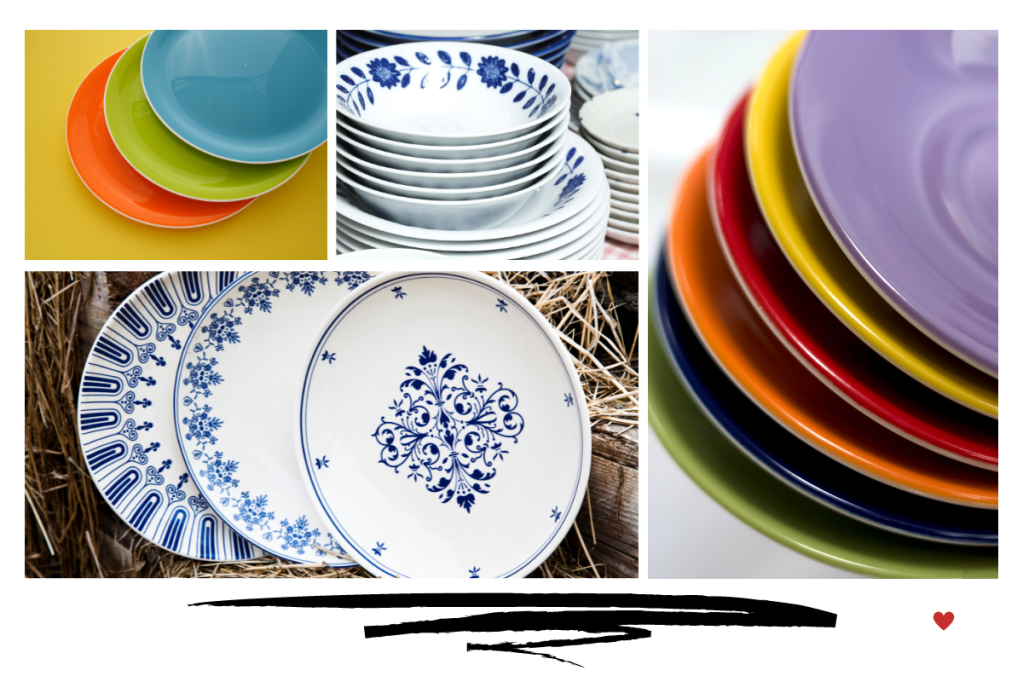
Plates may seem like a mundane and unimportant fixture in our daily lives. Still, they profoundly impact our existence that often goes unnoticed. A wide range of patterns, shapes, and materials are available for plates, each of which has advantages and disadvantages. From the environmental impact perspective, the material used to produce plates can significantly affect the environment, from the resources required for production to their disposal. For instance, ceramic plates may be long-lasting and durable. Still, their production demands significant energy and resources, resulting in environmental consequences.
Moreover, plates play a crucial role in our cultural and social contexts. The presentation and serving of our food on plates can convey specific messages about etiquette, status, and values. The style, design, and even the color of the plate can influence our perception of the meal and its significance. Therefore, in this article, we will examine plates’ hidden and unseen effects and how they impact our daily lives.
Part 1 – Plates vs. Bowls: Which Is Better for Portion Control?
An important aspect of maintaining a healthy diet relies on Portion Control. Is there an efficient way to do portion control? Is it preferable to use plates or bowls? A lot of people believe that using smaller plates or bowls could significantly help you eat less, while others think it doesn’t make any difference at all. In this section, the advantages and disadvantages of plates and bowls for portion control, will be elaborated to help you decide which of these two are better suited for you..
Plates for Portion Control
A very common known strategy is using a smaller plate for portion control. The basic premise is that if you have less room to fill with food, you’ll consume far less of it. In a study, it has been found that the majority of people has tendency to undermine the amount of food they are consuming, even when they are using a smaller plate. Hence, even though individuals may think they are eating less, they may actually be consuming the same amount of calories or even more.
Another problem when using plates is that if you’re not paying close attention to the amount of food you put in your plate, it is very easy to unconsciously stack a lot of food on top of it. You are still susceptible to overeating, even if the plate you’re using is smaller.
Bowls for Portion Control
Another strategy that a lot of people are using for portion control is eating in a bowl. Eating on those is a significantly effective way to control your portion size, especially if you are eating foods like soup or salad which are foods that are objectively hard to measure. The amount of food you are about to consume can be significantly limited by using a smaller bowl. Compared to using a plate, the advantage of using a bowl is that it could be a lot easier to see how much food you are consuming, hence it is potentially effective for portion control.
The Verdict: Plates vs. Bowls for Portion Control
So, which one is better for portion control: plates or bowls? The truth is that there isn’t really a right or wrong response; it all depends on your preferences and eating habits, among other things. Each has a right to their personal tastes. In the end, regardless of the meal you are eating, the best method for portion management is to be aware of how much food you are consuming.
When choosing between plates and bowls, it’s important to consider what you’re eating. A plate may be more appropriate for a meal primarily made of one dish, like a stir-fry or pasta. But a bowl may be better if you’re eating soup or salad. To sum up, either of these could be a helpful tool for reducing how much food you eat, but one is ideal for you will depend on your needs.
Part 2 – Why Size Matters: The Psychology Behind Choosing the Right Plate for Your Meal
Have you ever questioned why some individuals appear to control their portions better than others? The answer may lie in the size of the plates they use. Researchers have recently started looking into how our eating habits are impacted by the size of our plates. We’ll look at the psychology of plate size in this part and discuss how it could affect your capacity to control how much food you consume.
The Science of Plate Size
The concept of plate size and its effect on our eating habits has been studied for years. In one study, researchers found that when given a larger plate, people tended to serve themselves more food and eat more. This phenomenon has been dubbed the “portion size effect.” Essentially, the larger the plate, the more we tend to eat.
One reason for this is the concept of visual cues. Our brains are designed to rely on visual clues to help us choose how much food to eat. When we see less food on a larger plate, our brain thinks we’re not getting enough food. As a result, we serve ourselves more to compensate. The same amount of food appears sufficient to our brain when it’s presented on a smaller plate, so we don’t need to feed ourselves any more.
Choosing the Right Plate Size
Now that we understand the psychology behind plate size, choosing the right size plate for your meal is important. Here are some tips to help you make the right choice:
- Think about the kind of food you’re eating: A plate could be more appropriate if your dinner comprises mostly of one dish, like spaghetti or a stir-fry. But a bowl may be better if you’re eating soup or salad.
- Choose a plate appropriate for your portion size: As mentioned earlier, visual cues play a big role in determining how much we eat. If you’re trying to control your portions, choose an appropriate plate for your meal.
- Stick to smaller plates: If you’re trying to control your portion sizes, consider using a smaller plate. Studies have shown that people eat less when using smaller plates.
- Avoid oversized plates: It may be tempting to use a larger plate, especially if you’re hungry, but it’s preferable to use dishes that are the right size. Using a larger plate can lead to overeating, ultimately sabotaging your weight loss goals.
In conclusion, the size of your plate can significantly impact your portion control. By understanding the psychology behind plate size, you can make more informed choices about the dishes you use for your meals. Remember to consider the type of food you’re eating, choose a plate appropriate for your portion size, stick to smaller plates, and avoid using oversized plates. Doing so can improve your portion control and help you achieve your weight loss goals.
Part 3 – From Farm to Table: How Your Plate Shapes the Future of Food Sustainability
As a normal person in our society who just lives and consumes, we don’t spare the opportunity to think on how our food choices may have an impact on our environment. We’ll look at how food gets from the farm to the dinner table for families in this area of the article, as well as how our plates contribute to a more sustainable food system.
Food Production and Sustainability
The first step in understanding the impact of our plates on food sustainability is knowing the nature of production of our food. A lot of foods that we eat, specifically meat and dairy products, require significant resources to produce. The production of the feeds that we feed to the animals in livestock which eventually became the foods on our tables contributes to greenhouse gas emissions, which contribute to climate change.
Choosing foods that require fewer resources to produce is one method to lessen the environmental effect of our food production. This comprises plant-based foods such as grains, fruits, and vegetables. We can reduce the harmful carbon we produce by choosing more healthy and less meaty foods.
The Role of Plates in Food Sustainability
Let’s focus on the function of plates now that we are aware of how food production affects sustainability. The plates we serve our food can significantly impact the waste we generate. For example, using disposable plates, like paper or plastic, contributes to landfills and pollutes our environment.
To reduce waste and promote sustainability, consider using reusable plates from sustainable materials like bamboo, recycled plastic, or glass. Using these plate types, you can reduce waste and promote a more sustainable food system.
Another way, as has been mentioned from previous parts of this article, is to choose an appropriately sized plate for your meal. As mentioned earlier, choosing smaller plates can help you control your portions, reducing food waste and promoting a more sustainable food system. In addition, using a smaller plate can help reduce your energy consumption by requiring less energy to wash and dry them.
Choosing sustainably produced plates is another way to promote food sustainability. Look for plates made from eco-friendly materials, like bamboo or recycled plastic. Because these plates are frequently biodegradable and compostable, they contribute to waste reduction and the advancement of a more sustainable food system.
In conclusion, the plate we use to serve our food can significantly impact food sustainability. By choosing foods that require fewer resources to produce, using reusable plates, choosing appropriately sized plates, and selecting plates made from eco-friendly materials, we can all contribute to a more sustainable food system. We can build a more sustainable future for ourselves and the earth by making minor adjustments to the way we eat and the dishes we use.
Part 4 – The Surprising Health Benefits of Eating Off a Blue Plate
Have you ever considered that, despite what may seem to be a little issue, the color of your plate may affect how you consume food? Recent studies have shown that the color of your plate can significantly impact your food choices and eating habits. This section of the article will explore the surprising health benefits of eating off on a blue plate.
The Psychology of Color
Before we check out the benefits of eating on a blue plate, let’s first explore the psychology behind colors. Colors are known to have a significant yet not-so-obvious impact on our emotions and behavior. For example, warm colors such as red and orange are often associated with excitement, energy and brightness. And in contrast, cool colors like blue and green are associated with calm, relaxation and peace.
The color of your plate can affect the foods you choose to eat and the way you consume. For instance, research have revealed that when provided a plate that matches the dish they are eating, people eat more. This is because the food blends in with the plate and makes it difficult to determine how much you’re eating.
The Benefits of Blue Plates
Now that we understand the psychology of color let’s turn our attention to the benefits of blue plates. One study found that people tend to eat less when presented with food on a blue plate. This is because blue is a calming color that suppresses appetite, making you less likely to overeat.
Another benefit of blue plates is that they can make your food look more appetizing. This is because blue complements many food colors, such as yellow and orange. When your food is presented on a blue plate, it can create a pleasing contrast, making it look more vibrant and appealing.
In addition, using a blue plate can help you be more mindful of your portion sizes. You can better manage your portion sizes and prevent overeating when your meal is served on a blue plate since it makes it easier to see how much you’re eating.
Choosing the Right Shade of Blue
While blue plates can have many health benefits, choosing the right shade of blue is important. Studies have shown that lighter shades are far less effective in reducing a person’s appetite compared to darker shades of blue. In addition, it’s important to use only the plain colored ones and avoid those with patterns. This is because the pattern may draw attention away from the food, making it more challenging to monitor your intake.
In conclusion, the color of your plate can significantly impact your food choices and eating habits. While many people may not consider the color of their plate, using a blue plate can have many health benefits. Blue plates can help suppress your appetite, make your food look more appetizing, and help you be more mindful of your portion sizes. So, the next time you choose a plate for your meal, consider reaching for a blue one.
 Hey Singapore