
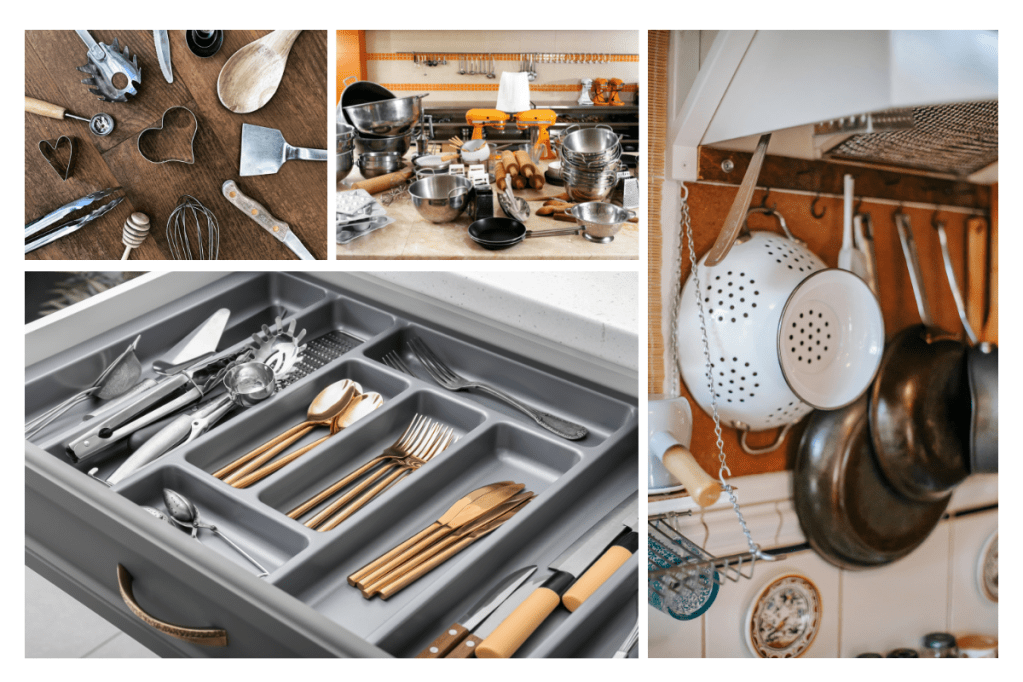
Cooking has been a part of human civilization for thousands of years, and so have the tools we use to prepare our food. The history of kitchen utensils is a fascinating tale that spans centuries and continents and has been shaped by various factors, from cultural traditions to technological advancements. In this article, we’ll take a creative look at the history of kitchen utensils and how they have evolved.
The earliest kitchen utensils were likely made of natural wood, bone, and stone. Archaeologists have uncovered primitive stone knives and wooden spoons dating back to prehistoric times, used by early humans to cut and prepare food. As civilizations developed, so did the tools used in cooking. Ancient Egyptians used clay pots to cook and store food, while the Greeks and Romans utilized metal pots and pans. In medieval Europe, wealthy households used silver and gold utensils, while the common folk made do with wooden spoons and iron pots.
One of the most significant technological advancements in kitchen utensils’ history was the printing press’s invention in the 15th century. This allowed cookbooks to be printed and distributed and helped spread new culinary techniques and utensils throughout Europe. The Renaissance also increased interest in the culinary arts, with chefs and cooks experimenting with fresh ingredients and tools.
The 20th century saw further advancements in kitchen utensil design and production. The advent of industrial manufacturing allowed for the mass production of utensils, making them more affordable and accessible to a broader range of people. In the 1950s and 1960s, brightly coloured plastic utensils became popular, while the 1970s saw a rise in interest in gourmet cooking and high-end kitchen gadgets.
Today, the kitchen utensil industry is a multi-billion dollar global market, with a wide range of tools and gadgets available for every cooking need. Silicone utensils have become increasingly popular due to their heat resistance and durability. In contrast, high-tech gadgets like sous-vide machines and immersion blenders have made gourmet cuisine more accessible to home chefs.
Kitchen utensils are essential tools that every home cook and professional chef needs in their Kitchen. These tools come in various shapes, sizes, and materials and are designed to help with everything from food preparation to serving. Proper kitchen utensils can make a huge difference in your cooking experience, whether you are a beginner or a seasoned pro.
Here are some of the most common types of kitchen utensils and their uses:
Knives: The knife is one of the most vital and ubiquitous kitchen utensils. A good set of knives is an indispensable tool in any kitchen. Knives are used for cutting, chopping, slicing, and dicing various ingredients, including fruits, vegetables, meats, and bread. Different types of knives have distinct shapes and sizes, each designed to cater to a specific task. Knives embody a critical component of a chef’s skill set and are integral in ensuring the success of a dish.
Cutting boards: Another essential kitchen utensil is the cutting board. Cutting boards protect your countertop and provide a clean, stable surface for cutting and chopping ingredients. These kitchen utensils come in various materials, including wood, plastic, and bamboo, each offering unique benefits.
Mixing bowls: Mixing bowls are versatile kitchen utensils for mixing ingredients, such as dough or salad dressing. These kitchen utensils come in various sizes and materials, including glass, stainless steel, and ceramic, allowing for flexibility in their use.
Measuring cups and spoons: Measuring cups and spoons are quintessential kitchen utensils used to measure ingredients accurately, ensuring that your recipe turns out perfectly. These kitchen utensils are available in different sizes and can be made of plastic, metal, or silicone, making them an essential part of a chef’s arsenal.
Spatulas: Spatulas are another kitchen utensil for flipping, turning, and scraping ingredients in a pan or grill. These kitchen utensils come in various shapes and sizes, including flat, slotted, and flexible, enabling the chef to achieve diverse culinary outcomes.
Tongs: Tongs are versatile kitchen utensils for gripping and lifting hot or delicate ingredients, such as when flipping a steak or picking up a piece of fruit. These kitchen utensils come in various lengths and materials, including stainless steel and silicone, providing chefs with the necessary tools to carry out delicate culinary manoeuvres.
Whisks: Whisks are an indispensable kitchen utensil for blending ingredients, such as when making a cake batter or whipping cream. These kitchen utensils come in various sizes and can be made of wire or silicone, allowing multiple options to cater to the chef’s preferences.
Colanders: Colanders are essential kitchen utensils for draining pasta or vegetables and separating the liquid from the solid ingredients. These kitchen utensils come in various sizes and materials, including metal and plastic, facilitating the drainage of components.
Can openers: Can openers open canned food, such as beans or soup. They come in a variety of styles, including manual and electric.
Graters: Lastly, graters are vital kitchen utensils for shredding or grating ingredients, such as cheese or vegetables. These kitchen utensils come in various sizes and can be handheld or mounted on a countertop, offering a range of options to chefs.
In addition to these basic kitchen utensils, many more specialized tools can make cooking more accessible and enjoyable. Some examples include pastry brushes, pizza cutters, garlic presses, and avocado slicers.
In summary, kitchen utensils are essential tools that every home cook and the professional chef needs in their Kitchen. From knives to can openers, these tools help with everything from food preparation to serving. Investing in high-quality kitchen utensils and learning how to use them correctly can take your cooking skills to the next level and create delicious and memorable meals for yourself and your loved ones.
Kitchen utensils are essential tools that help transform your cooking, making meal preparation more efficient, effective, and enjoyable. Whether you are a seasoned chef or a beginner cook, having the proper kitchen utensils can make all the difference in your cooking experience.
Here are some of the top benefits of using kitchen utensils:
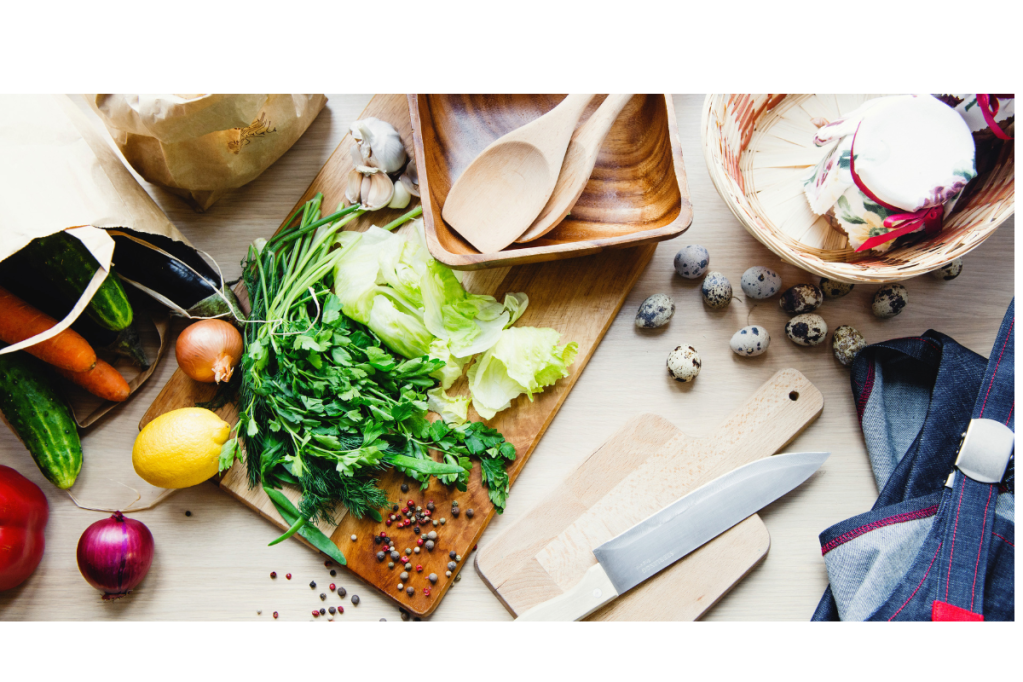
Saves time: One of the most significant benefits of using kitchen utensils is time-saving. With the right tools at your fingertips, you can chop, blend, and mix ingredients quickly and efficiently, allowing you to focus on the more enjoyable aspects of cooking.
Ensures accuracy: In addition to time-saving benefits, kitchen utensils also ensure accuracy, which can be especially important for baking. Measuring cups and spoons allow you to count ingredients precisely, leading to a perfect outcome every time.
Makes cooking easier: But the advantages don’t stop there – kitchen utensils also make cooking more accessible and enjoyable. For example, a good quality pot or pan ensures that your food cooks evenly and doesn’t stick to the surface. A colander can help drain pasta and vegetables quickly, avoiding messy spills.
Improves safety: Safety is another critical benefit of kitchen utensils. Using oven mitts and pot holders when handling hot dishes can prevent burns while using a can opener can avoid injury when opening cans.
Enhances flavour: Kitchen utensils also play a role in enhancing flavour. A good quality grater to shred cheese can release its full flavour, while a whisk to beat eggs creates a light and fluffy texture. And having a variety of kitchen utensils on hand can help increase creativity, allowing you to experiment with new recipes and ingredients.
Saves money: Investing in high-quality kitchen utensils can also save you money in the long run. Durable knives will last longer, and having the right tools can also help you cook at home more often, saving money on eating out.
Maintains Nutrient Value: Kitchen utensils can even help keep the nutrient value of your food. Steaming vegetables can retain the nutrients lost during boiling, and a pressure cooker preserves more nutrients.
Keeps Kitchen Organized: Using kitchen utensils can also help keep your Kitchen organized, reducing food waste, and improving efficiency. So, next time you’re in the Kitchen, take a moment to appreciate the wonders of your utensils – they’re genuinely a cook’s best friend.
Reduces Food Waste: Kitchen utensils like vegetable peelers or apple slicers can help you use all of your ingredients efficiently, reducing food waste. For example, using a vegetable peeler to remove the skin from carrots or potatoes can help you use more of the vegetable and less waste. An apple slicer can help you use the entire fruit, including the core.
Improves Efficiency: Having a variety of kitchen utensils on hand can improve your efficiency in the Kitchen. For example, using a mandoline slicer can help you slice vegetables quickly and evenly. At the same time, a can opener with a smooth-turning handle can make opening cans much faster.
In summary, kitchen utensils are essential tools that can help make cooking more efficient, effective, and enjoyable. They can help save time, ensure accuracy, improve safety, enhance flavour, increase creativity, and save money. Investing in high-quality kitchen utensils and learning how to use them correctly can take your cooking skills to the next level and create delicious and healthy meals for yourself and your loved ones.
 Hey Singapore