
Indulge in food preparation with our range of premium cutting boards. From our luxurious hardwood options to our eco-friendly and sustainable choices, each cutting board is designed meticulously and built to last. It helps protect your countertops from scratches and stains and provides a safe and sturdy surface for cutting and chopping various ingredients. Elevate your cutting board game with our hand-selected wood options that perfectly balance durability, safety, and aesthetics. Please choose from our collection of premium cutting boards to ensure your kitchen is as stylish as it is functional. This article will explore the most popular wood types for cutting boards and provide insights on which wood may suit your needs best.
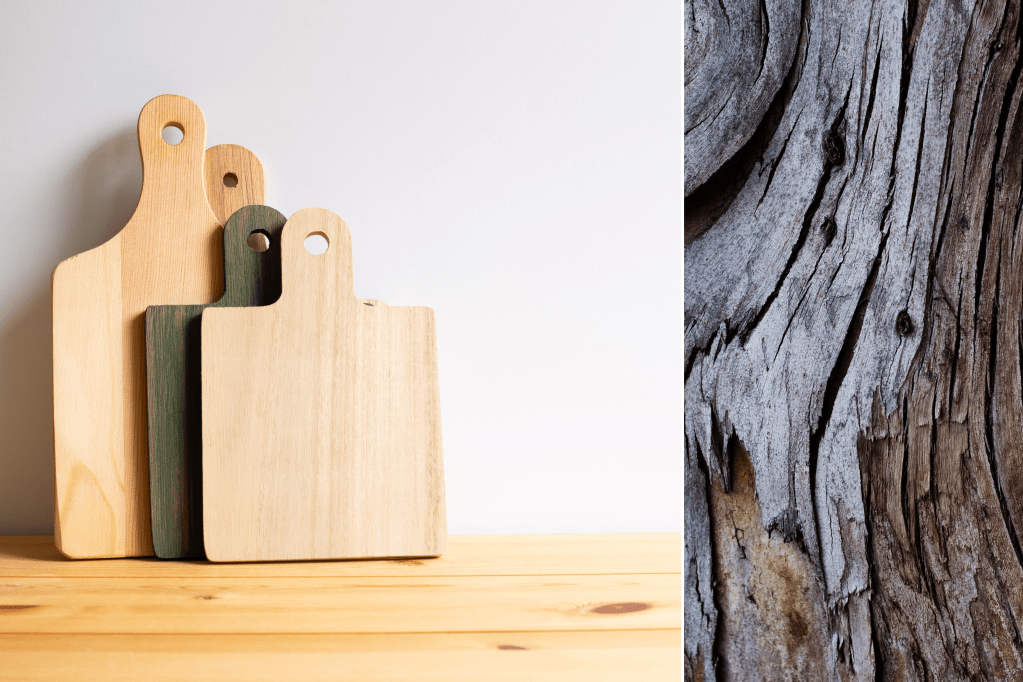
Factors to Consider When Choosing a Wooden Cutting Board
Transform your kitchen experience with our premium selection of wooden cutting boards, meticulously crafted for the discerning chef. Elevate your cooking routine and make a statement with our stylish and functional cutting boards. Let us help you make the critical decision of choosing the perfect wooden cutting board for your kitchen. In this article, we will explore the key factors to consider when selecting a wooden cutting board, including the Janka hardness rating, toxicity, porosity, conditioning, eco-friendliness, and cost. By understanding these factors, you can make an informed decision and select a cutting board that is functional but also durable and safe for all your culinary needs.
- Janka Hardness Rating
- One crucial factor to consider is the Janka hardness rating of the wood. The Janka hardness rating measures the wood’s resistance to dents and wear. Hardwoods such as maple, cherry, and walnut have higher Janka hardness ratings, making them more durable and resistant to knife marks. Softer woods like pine or cedar have lower Janka ratings, making them less stable and more susceptible to knife marks.
- Toxicity
- Another important consideration is the toxicity of the wood. Some woods can emit toxic fumes when cut, harming your health. Beware of arboreal species like teak or rosewood, whose inherent oleaginous properties may elicit a dermal irritation or provoke an allergic reaction. Opt for our handpicked, refined selections of timber which guarantee a healthful and enjoyable culinary encounter free from any untoward epidermal repercussions. It’s essential to research the toxicity of the wood you are considering and take necessary precautions, such as wearing gloves or a mask when cutting.
- Porosity
- The hygroscopicity of the wood, or its capacity to absorb and retain moisture, is also a crucial element for appraisal. Porous woods like oak or mahogany can drink water, leading to bacterial growth and mold. Less porous woods like maple or bamboo are better choices as they are less susceptible to moisture retention, which helps to keep the cutting board sanitary.
- Conditioning
- Keeping your wooden cutting board conditioned is essential to maintain its durability and prevent cracking. Conditioning involves regularly applying a protective coating of food-grade mineral oil or beeswax to the board. The frequency of movement depends on how frequently you use the board. Generally, it’s recommended to condition a wooden cutting board every month to maintain its durability and longevity.
- Eco-friendliness
- Wooden cutting boards are a sustainable option compared to plastic or synthetic cutting boards. However, choosing a wooden cutting board made from sustainably and responsibly sourced wood is essential. Pursue cutting boards that possess the coveted certification of the Forest Stewardship Council (FSC) or bear the reclaimed wood seal, thus embodying an eco-conscious and sustainable ethos.
- Cost
- The price point of a wooden cutting board may fluctuate substantially following the particular variety of wood, the board’s dimensions, and the ornamentation’s intricacy. Hardwoods like walnut or cherry are more expensive than softwoods like pine. Additionally, cutting boards with unique designs or built-in features like juice grooves or handles can be more costly. It is of utmost importance to deliberate the expenditure concerning the tenacity and permanence of the panel to ascertain that a remunerative outlay is being made.
Selecting the Best Wood for Your Cutting Board
The judicious selection of lumber for your chopping slab guarantees its steadfastness and endurance. This article will discuss the various types of timber suitable for cutting boards, including their unique characteristics and benefits. By understanding the differences between each type of wood, you can select the best one for your cutting board that fits your preferences and meets your culinary needs.
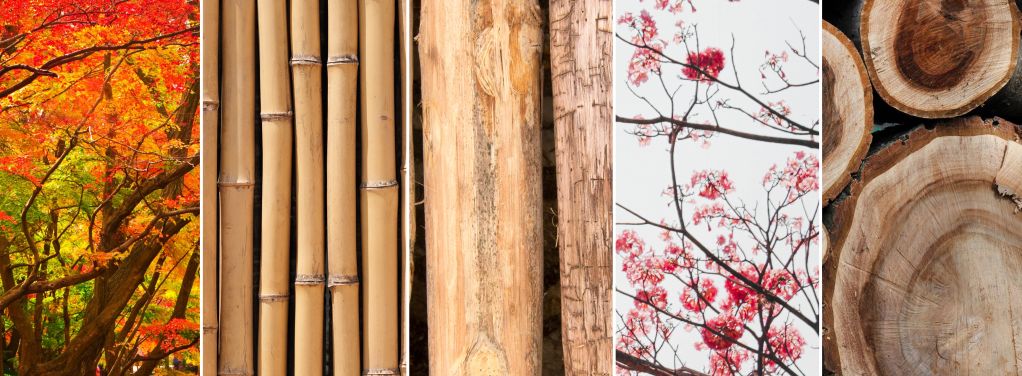
- Maple Wood
- Maple wood is a classic and timeless choice for cutting boards. It is hardwood with a fine and uniform grain pattern, which makes it easy to clean and maintain. Maple wood is also incredibly durable and resistant to scratches, so it is a popular choice for many professional chefs. Additionally, maple wood has natural antimicrobial properties that make it a safe and hygienic option for food preparation.
- Bamboo Wood
- Bamboo wood is a sustainable and eco-friendly option for cutting boards. It is a fast-growing grass that can be harvested in just a few years, making it an excellent alternative to hardwoods that take decades to grow. Bamboo wood is also lightweight and easy to handle, making it an ideal choice for those who want an easy cutting board to move and store. However, bamboo wood is not as hard as some hardwoods, which may develop knife marks over time.
- Teak Wood
- Teak wood is a luxurious and durable choice for cutting boards. It has a high oil content making it naturally water-resistant, which is essential in a kitchen where moisture is prevalent. Teak wood is also known for its unique golden-brown color and beautiful grain patterns, which make it an attractive option for those who value aesthetics. However, teak wood is more complicated, so it can be tough on knives and require frequent maintenance.
- Cherry Wood
- Cherry wood is another popular choice for cutting boards, known for its beauty and durability. It has a rich, reddish-brown color that darkens with age and is often favored for its attractive natural patterns. Cherry wood is also known for resisting moisture, making it ideal for use in the kitchen. One of the benefits of using cherry wood is that it is gentler on knives compared to harder woods like maple. However, it is not as hard as other woods, so it may develop knife marks over time. Nonetheless, the patterns can add character to the board and are not considered a flaw.
- Walnut Wood
- Walnut wood is a luxurious and durable option for a cutting board. It has a rich, dark brown color that adds warmth and sophistication to any kitchen. Walnut wood is also known for its hardness and durability. It can withstand heavy use without showing signs of wear and tear. However, walnut wood is also a dense hardwood, which means it can be tough on knives and may require regular maintenance to keep it in top condition. The kitchen is the heart of the home, and every kitchen is complete with a good cutting board. When choosing the best wood for a cutting board, there are a few factors to consider. The type of wood you choose will affect your cutting board’s durability, cleanliness, and appearance, so making an informed decision is essential.
When selecting wood for your cutting board, it is crucial to evaluate its hardness, considering its ability to withstand abrasions and incisions while not being so rigid that it diminishes the sharpness of your knives. Among the best options are hardwoods, like maple, cherry, and walnut, which are durable and possess natural antibacterial properties.
Additionally, the wood grain pattern should be considered as it influences both the longevity and aesthetics of the cutting board. There are three common types of grain patterns: edge-grain, end-grain, and face-grain. Edge-grain cutting boards exhibit a design where the grain is parallel to the board’s edges, resulting in increased durability but potentially causing more wear to your blades. End-grain cutting boards showcase a checkered pattern where the end-grain of the wood is visible, making them more knife-friendly. Face-grain cutting boards have a design where the grain runs perpendicular to the board’s edges, rendering them more affordable but less long-lasting.
Moreover, the wood’s color can also impact the appearance of your cutting board. Light-colored maple is a popular choice for cutting boards, given its neutrality and compatibility with any kitchen décor. Darker woods, such as cherry and walnut, can add warmth and refinement to your kitchen space.
Aside from these considerations, the maintenance required for each type of wood should also be considered. Hardwoods necessitate frequent oiling to evade cracking and dryness. At the same time, softwoods, like pine and cedar, are not ideal for cutting boards as they are more susceptible to scratches and moisture absorption.
To summarize, selecting the best wood for a cutting board requires thoughtful reflection on numerous aspects. Hardwoods like maple, cherry, and walnut can provide durability and natural resistance to bacteria. The wood’s grain pattern can influence the cutting board’s lifespan and appearance. In contrast, the wood’s color can add character and depth to your kitchen. Lastly, the maintenance requirements should be considered before making a final decision. By considering these considerations, you can select the ideal wood for your cutting board, creating a balance between durability and visual appeal.
 Hey Singapore