
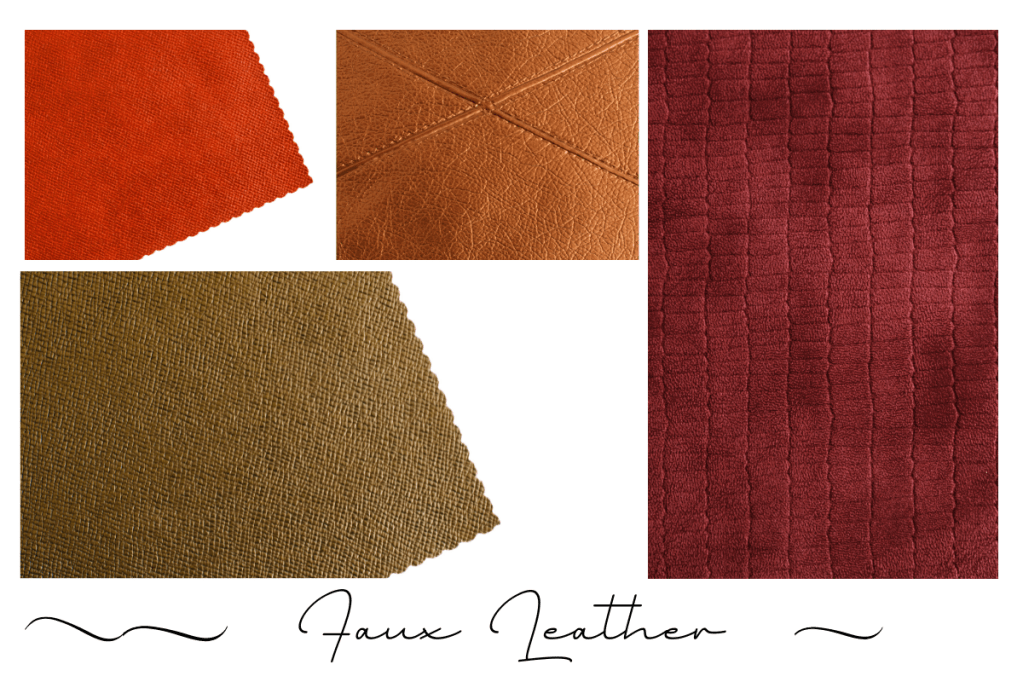
Faux leather, also referred to as synthetic leather or vegan leather, is a synthetic material that emulates the appearance and texture of authentic leather. It has become a popular substitute for conventional leather due to its cost-effectiveness, durability, and ease of maintenance. Moreover, it is an ethical and eco-conscious preference for individuals who are against the use of animal products.
The origins of faux leather can be traced back to the early 1900s, when researchers began exploring the development of artificial materials that could replicate the tactile and visual attributes of leather. The first generation of faux leather was produced from materials such as PVC (polyvinyl chloride) and PU (polyurethane). These materials were low-cost, straightforward to manufacture, and provided a fair imitation of the texture and feel of leather.
As time progressed, manufacturers improved the production process, leading to the creation of superior quality faux leather materials. Today, an extensive range of faux leather types exists, including microfiber leather, recycled leather, and cork leather. Each of these materials has its own unique features and advantages, making them suitable for an array of uses.
One such application of faux leather is Table Matters’ use of faux leather placemats. Table Matters is a company specializing in tableware and home decor products. Their faux leather placemats provide a stylish and sustainable alternative to traditional placemats. These placemats, made from high-quality materials, are robust, simple to clean, and suitable for any table setting.
Aside from their practical advantages, faux leather placemats also enhance the ambiance of any dining experience, adding an air of sophistication and elegance to the proceedings. Available in a diverse range of colors and textures, these placemats can be used to create an array of different looks and styles, whether it’s a formal dinner party or a casual brunch. Faux leather placemats are undoubtedly a versatile and aesthetically pleasing option.
.
How is Faux Leather Made ?
The manufacturing process for faux leather begins with a base material, which is typically a woven fabric such as polyester or nylon. A layer of polyurethane (PU) or polyvinyl chloride (PVC) is then applied to the surface of the fabric. This layer is what gives the material its leather-like appearance and texture.
The process of applying the PU or PVC coating can be done in several ways, including by hand or by using a machine. Once the coating is applied, it is allowed to dry and cure, which can take several hours or days depending on the specific material used.
The Difference of Faux Leather and Real Leather
One of the main differences between faux leather and real leather is that real leather is made from animal hides, while faux leather is made from synthetic materials. Leather production involves several stages, including curing, tanning, and finishing. The hides are first cleaned and then treated with chemicals to preserve them. They are then tanned using a variety of techniques, such as vegetable tanning or chrome tanning, which give the leather its distinctive texture and appearance. Finally, the leather is finished by buffing or sanding to achieve the desired texture.
In contrast, faux leather is produced using a much simpler manufacturing process. The base material is coated with the synthetic layer, and then the material is cut and sewn into the desired shape. Because faux leather is made from synthetic materials, it is more uniform in texture and appearance than real leather
There are several different types of materials that can be used to create faux leather. PU leather is one of the most popular types and is known for its durability and flexibility. PVC leather is another common type and is often used for clothing and upholstery. Other types of faux leather include microfiber leather, recycled leather, and cork leather.
While faux leather may not be as durable or long-lasting as real leather, it offers several advantages. It is typically less expensive than real leather and is more environmentally friendly, as it does not involve the use of animal products. Additionally, faux leather is available in a wide range of colors and textures, making it a versatile choice for clothing, furniture, and other applications.
Faux leather, also known as synthetic leather or vegan leather, is an artificial material that is designed to mimic the look and feel of real leather. While it offers several advantages over real leather, there are also some disadvantages to consider.
Advantages of Faux Leather:
- Cost: One of the main advantages of faux leather is that it is typically less expensive than real leather. This makes it an attractive option for consumers who want the look and feel of leather without the high price tag.
- Durability: Faux leather is often more durable than real leather, as it is not susceptible to cracking or peeling over time. This makes it a good choice for furniture, clothing, and other items that are likely to be subjected to wear and tear.
- Easy Maintenance: Faux leather is easy to clean and maintain, as it can be wiped down with a damp cloth or cleaned with a mild soap solution. This makes it a good choice for households with children or pets.
- Eco-Friendly: Faux leather is often considered to be more environmentally friendly than real leather, as it does not involve the use of animal products. Additionally, some types of faux leather are made from recycled materials, making them even more sustainable.
Disadvantages of Faux Leather:
- Breathability: Faux leather is not as breathable as real leather, which can make it uncomfortable to wear in hot or humid conditions. This can also lead to sweating and skin irritation.
- Quality: The quality of faux leather can vary widely, depending on the materials and manufacturing process used. Some types of faux leather may be prone to peeling or cracking, especially if they are subjected to prolonged use or exposure to sunlight.
- Appearance: While faux leather is designed to mimic the look of real leather, some people may prefer the natural texture and variation of real leather. Additionally, faux leather may not age as gracefully as real leather, which can detract from its overall appearance over time.
- Environmental Impact: While faux leather is often considered to be more environmentally friendly than real leather, it is not without its environmental impact. The production of synthetic materials can generate waste and contribute to pollution, and some types of faux leather may contain harmful chemicals.
Faux leather, also known as synthetic leather or vegan leather, is a versatile material that is widely used in a variety of industries, from fashion to automotive to furniture. In recent years, faux leather has become increasingly popular as a material for home décor, particularly in the form of placemats for dining tables.
Faux leather has a number of advantages over traditional leather, making it a popular choice for furniture designers and manufacturers. One of the key benefits of faux leather is its durability. Unlike real leather, which can be prone to cracking and other forms of damage over time, faux leather is designed to withstand the wear and tear of everyday use.
Faux leather is also a more affordable option than real leather, making it accessible to a wider range of consumers. And because it is made from synthetic materials, it is often more environmentally friendly than real leather, which can involve the use of animal products and harmful chemicals.
When it comes to furniture, faux leather is a popular choice for a variety of pieces, from sofas and chairs to ottomans and benches. Faux leather furniture can be found in a wide range of styles and colors, making it easy to find pieces that complement your décor.
One of the most popular applications of faux leather in furniture is in the form of placemats for dining tables. Faux leather placemats can add a touch of elegance and sophistication to any dining table, while also offering practical benefits like durability and easy maintenance.
Faux leather placemats come in a variety of styles and colors, ranging from classic brown and black to bold and bright shades like red, blue, and green. They can be designed to mimic the texture and appearance of real leather, with stitching, embossing, and other details that give them a high-end look and feel.
Tips for Cleaning and Maintaining a Faux Leather
While faux leather is often more durable and easier to care for than real leather, it still requires proper maintenance to ensure it looks its best over time. Here are some tips for cleaning and maintaining your faux leather items:
- Start with a gentle cleaning solution: When cleaning faux leather, it’s important to avoid harsh chemicals that can damage the material. Instead, start with a mild soap and water solution, or a specially formulated faux leather cleaner. Avoid using bleach, ammonia, or other harsh chemicals, as these can cause discoloration and cracking.
- Use a soft cloth or sponge: When cleaning faux leather, use a soft cloth or sponge to gently clean the surface. Avoid using abrasive materials, such as steel wool or rough scrubbing pads, as these can scratch the surface and cause damage.
- Wipe up spills immediately: If you spill something on your faux leather item, be sure to wipe it up immediately. Faux leather is not as absorbent as real leather, but if liquids are left to sit on the surface, they can still cause discoloration and damage.
- Avoid direct sunlight and heat: Faux leather can be sensitive to direct sunlight and heat, which can cause it to fade or crack. Avoid placing your faux leather items in direct sunlight or near sources of heat, such as radiators or fireplaces.
- Store properly: When not in use, store your faux leather items in a cool, dry place. Avoid stacking items on top of each other, as this can cause the material to become compressed and lose its shape.
Some common blunders to avoid when cleaning faux leather include saturating the material with an excess of water or cleaning solution. Over-humidifying faux leather can lead to irreparable harm, so employ a mere modicum of water or cleaning solution when tending to it. Additionally, utilizing a rough or abrasive cloth to wipe down the surface can result in unsightly blemishes and unsalvageable destruction. Instead, opt for a gentle and supple cloth or sponge to cleanse the material.
Furthermore, employing a hair dryer or other heat source to expedite the drying process is ill-advised, as it can instigate warping and cracking. Such damage can be irrevocable and mar the beauty of your faux leather items. Ergo, evade subjecting your faux leather to any heat sources when drying.
Regarding the choice of cleaning products, search for solutions specifically tailored for faux leather. Steer clear of any products containing alcohol, bleach, or other caustic chemicals that could harm the material. Additionally, be mindful when utilizing oils or waxes, as these substances can leave a greasy or slick residue on your faux leather.
In conclusion, faux leather is a versatile and cost-effective substitute for authentic leather, endowing a plethora of advantages, such as robustness, easy upkeep, and a lesser environmental footprint. Notwithstanding, akin to any material, faux leather also exhibits some demerits, including a proclivity to fissure or flake over time.
Despite these drawbacks, the intrinsic value of utilizing faux leather is self-evident, chiefly in the context of household ornamentation and furnishing. The implementation of faux leather placemats, for instance, confers an opulent and pragmatic solution for safeguarding your table, while simultaneously conferring a dash of refinement to your dining experience.
For those intrigued by exploring the possibilities of faux leather, we urge you to peruse Table Matters’ repertoire of faux leather placemats. Showcasing an array of styles and hues to choose from, there is undoubtedly a set that aligns with your aesthetic preferences and budgetary constraints. Why not venture forth and acquaint yourself with the myriad ways faux leather can elevate your interior décor?
 Hey Singapore