
Discover how eco-friendly carton packaging influences consumer attitudes and purchase behavior. Our research investigates the impact on sustainability.
Introduction
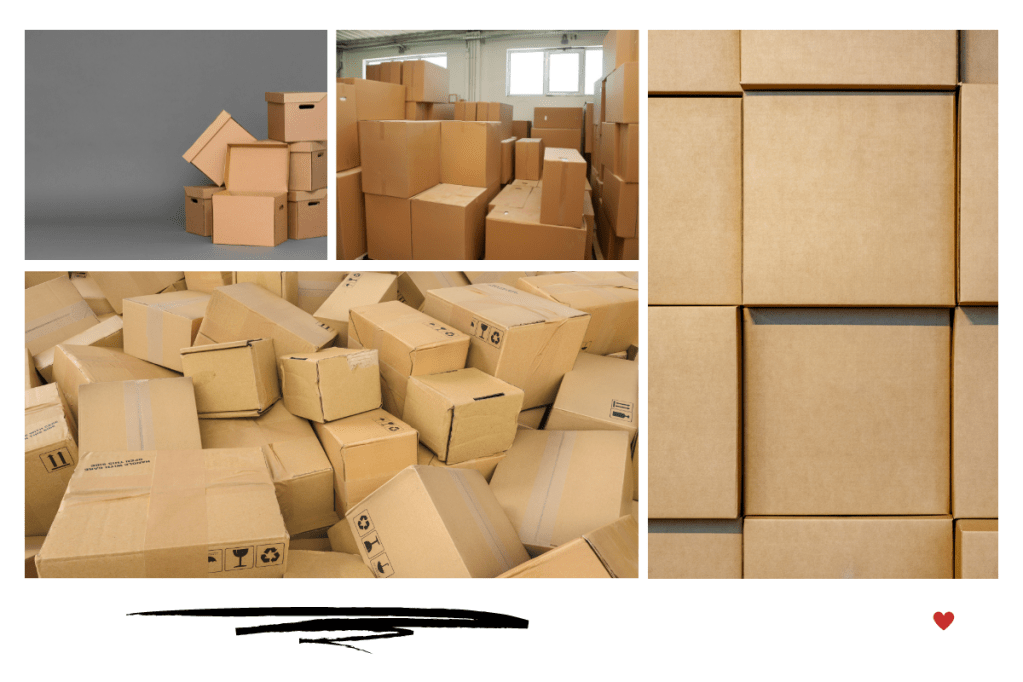
Companies are searching for solutions to decrease their carbon footprint and develop sustainable practices as global concern for environmental issues increases. One area of emphasis is packaging, with carton packaging gaining popularity among environmentally aware organizations. There are numerous varieties of carton packing, including corrugated carton, gable top carton, aseptic carton, and Tetra Pak carton, among others. These cartons are environmentally friendly, recyclable, and biodegradable, making them a fantastic option for businesses seeking to reduce their environmental footprint. This article investigates the effect of eco-friendly carton packaging on consumer perceptions and buying behavior.
Product Manufacturing
The production method of cartons is crucial to the packaging’s environmental friendliness. With renewable energy and eco-friendly ingredients, it is possible to manufacture cardboard boxes. Using recycled paper and plant-based inks, businesses can manufacture biodegradable and recyclable boxes. Using renewable energy sources, such as wind or solar electricity, helps minimize the industrial process’ carbon footprint. Digital printing technology, which enables more precise printing and lowers the need for additional materials, can also help businesses cut waste.
Packaging Alternatives
While eco-friendly carton packaging is a great option for many products, there may be situations where other packaging alternatives are more appropriate. Companies can explore other eco-friendly packaging options, such as biodegradable plastics, compostable materials, or reusable containers. The choice of packaging alternative will depend on the product, the intended use, and the sustainability goals of the company. By exploring packaging alternatives, companies can reduce their environmental impact and appeal to eco-conscious consumers.
Gable Top Packaging
Often used for liquid products such as milk and juice, gable-top cartons are a type of carton packaging. The unusual form of the gable-top carton makes it simple to pour and store. This sort of carton packaging is recyclable and environmentally friendly, making it a good option for businesses seeking to lessen their environmental effect. The gable top carton is also economical and simple to produce, making it a popular option for businesses seeking to decrease their packaging expenses.
Aseptic Packaging
Aseptic carton packaging is often used for liquid items with a long shelf life, such as milk and juice. Aseptic cartons feature a special design that allows them to preserve the product’s freshness and quality for a prolonged amount of time. Aseptic cartons are recyclable and environmentally friendly, making them a good option for businesses seeking to reduce their environmental effect. Also, the use of aseptic cartons helps reduce food waste because products can be stored for a longer amount of time without rotting.
Tetra Pack Carton
Tetra Pak carton packaging is often used for liquid items like milk and juice. Tetra Pak boxes are composed of sustainable resources such as paperboard and polymers derived from plants. Using renewable materials, Tetra Pak boxes are environmentally benign and biodegradable. The unique design of Tetra Pak containers makes them easy to pour and store. Using Tetra Pak boxes can help businesses lower their carbon impact and appeal to consumers who are environmentally sensitive.
Carton Sealing Equipment
A carton sealing machine is a piece of machinery used to seal cartons for packaging purposes. Automated carton sealing reduces the requirement for manual work. In addition to decreasing waste, the adoption of carton-sealing machines helps reduce waste since these machines can seal cartons precisely, reducing the need for surplus materials. Box-sealing machines can be programmed to employ eco-friendly materials such as recycled paper and plant-based inks, further lowering the packaging process’s environmental impact.
Carton Labeling
Carton labeling is an essential factor in eco-friendly packaging, as it can inform consumers about the environmental impact of the packaging and how to recycle it properly. Companies can use clear labeling to indicate that the carton is recyclable, biodegradable, or made from eco-friendly materials. Additionally, companies can use labeling to inform consumers about the sustainability of the product itself, such as how it was produced, where the materials came from, or how the company is committed to reducing its environmental impact. The use of clear labeling can help consumers make informed purchasing decisions and improve the eco-friendliness of the packaging.
Product Innovation
Product innovation can also play a significant role in the eco-friendliness of carton packaging. Companies can innovate their products to reduce their environmental impact, such as by using ingredients that are sustainably sourced, reducing the amount of packaging needed, or creating products that are biodegradable or compostable. By innovating their products, companies can reduce their environmental impact and appeal to eco-conscious consumers who are looking for sustainable products.
Supply Chain Management
Supply chain management is another factor that can affect the eco-friendliness of carton packaging. Companies can work with their suppliers to ensure that the materials used to produce the cartons are sustainably sourced, such as using materials from certified sustainable forests or using renewable energy sources to power the manufacturing process. Additionally, companies can work with suppliers to reduce waste and optimize transportation to reduce the carbon footprint of the supply chain. By managing their supply chain sustainably, companies can reduce their environmental impact and improve the eco-friendliness of their carton packaging.
Carton Packaging: What is it?
Carton packaging refers to the utilization of cardboard or paperboard carton boxes. These cartons are available in numerous sizes, shapes, and varieties, including corrugated carton, gable top carton, aseptic carton, and Tetra Pak box. Corrugated carton is used to package heavy-duty materials and features an interior layer with flutes between two outer layers. Liquids, such as milk, juice, and wine, are packaged in gable-top cartons. Tetra Pak carton is a sort of aseptic carton with a distinctive form and design. Aseptic carton is a sterile, airtight container used for packing long-lasting foods.
The Advantages of Eco-Friendly Carton Packaging
Environmentally friendly carton packaging has various advantages for both businesses and the environment. These boxes can be reused or repurposed because they are recyclable. They are also biodegradable, which means they can decompose naturally without harming the environment. Thirdly, the creation of eco-friendly carton packaging consumes less energy and emits fewer greenhouse gasses than other packaging kinds. Lastly, eco-friendly carton packaging is economical and simple to produce.
The relationship between carton packaging and consumer attitudes
The attitudes of consumers regarding eco-friendly carton packaging are shifting, with an increasing number of individuals searching for products with eco-friendly packaging. 63% of consumers, according to a poll performed by Tetra Pak, believe that sustainable packaging is crucial. This research suggests that customers are more inclined to select products packaged in eco-friendly cartons because it resonates with their values and beliefs.
Carton Packaging and Purchasing Decisions
Carton packaging can influence the purchasing decisions of consumers. 52 percent of consumers, according to a study by Package Insight, are willing to pay more for products with sustainable packaging. 45% of shoppers actively seek out products with sustainable packaging, according to the report. These findings imply that eco-friendly carton packaging can be a competitive advantage and enhance sales and revenue for businesses.
Carton Packaging and Branding
Moreover, carton packaging can affect brand perception and loyalty. 50% of consumers, according to a survey done by WestRock, equate environmentally friendly packaging with higher quality items. Moreover, 42% of consumers are more inclined to have confidence in a brand that uses sustainable packaging. These findings indicate that eco-friendly carton packaging can boost a company’s brand image, promote consumer loyalty, and establish a positive reputation.
Carton Packaging and Recyclability
Recyclability is an integral component of the life cycle of environmentally friendly carton packaging. Carton recycling entails separating the carton’s constituent parts and repurposing them into new items. 61% of cartons in the United States are recycled, according to the Carton Council, making it a sustainable packaging option. Recycling cartons can also reduce landfill trash and preserve natural resources. Businesses can promote carton recycling by instituting recycling programs, labeling cartons with recycling symbols, and educating customers on the advantages of carton recycling.
Carton Design and Packaging
Design is essential to the success of environmentally friendly carton packaging. A well-designed container can raise the product’s shelf presence and attractiveness. Moreover, carton design can communicate a company’s brand identity and principles, such as its commitment to sustainability. Businesses can collaborate with packaging designers to build cartons that are not only practical and environmentally friendly, but also aesthetically beautiful and visually appealing.
Carton Packing and Labeling
In order to notify consumers about the eco-friendliness of the packaging, it is necessary to label cartons. Labels may contain information about the materials used, recycling instructions, and certifications of sustainability. The Forest Stewardship Council (FSC) accreditation, for instance, confirms that the carton materials are sourced from properly managed forests. With sustainability labels, businesses may demonstrate their commitment to environmental care and distinguish themselves from competition.
Customer Perceptions and Buying Conduct
The views of consumers regarding eco-friendly carton packaging are shifting, as an increasing number of individuals seek out sustainable items. Many people are willing to pay a premium for sustainable items if they are packaged in cartons that are friendly to the environment. Businesses can capitalize on this consumer trend by introducing sustainable packaging techniques, such as employing eco-friendly carton packaging, in order to appeal to environmentally conscious consumers and build customer loyalty. The use of eco-friendly carton packaging can also increase brand perception, as companies can distinguish themselves from competitors by demonstrating their environmental care.
Conclusion
Eco-friendly carton packaging is a good option for organizations seeking to lessen their environmental effect and appeal to consumers who are environmentally sensitive. Carton packaging is recyclable, biodegradable, economical, and simple to produce. The views of consumers regarding eco-friendly carton packaging are shifting, as an increasing number of individuals seek out sustainable items. Moreover, carton packaging can impact purchasing behavior, brand perception, and recycling. Businesses can collaborate with packaging designers to create well-designed cartons and notify consumers of the eco-friendliness of the packaging through labeling. Companies can lower their carbon footprint, boost consumer loyalty, and establish a favorable reputation by using sustainable packaging methods.
 Hey Singapore