
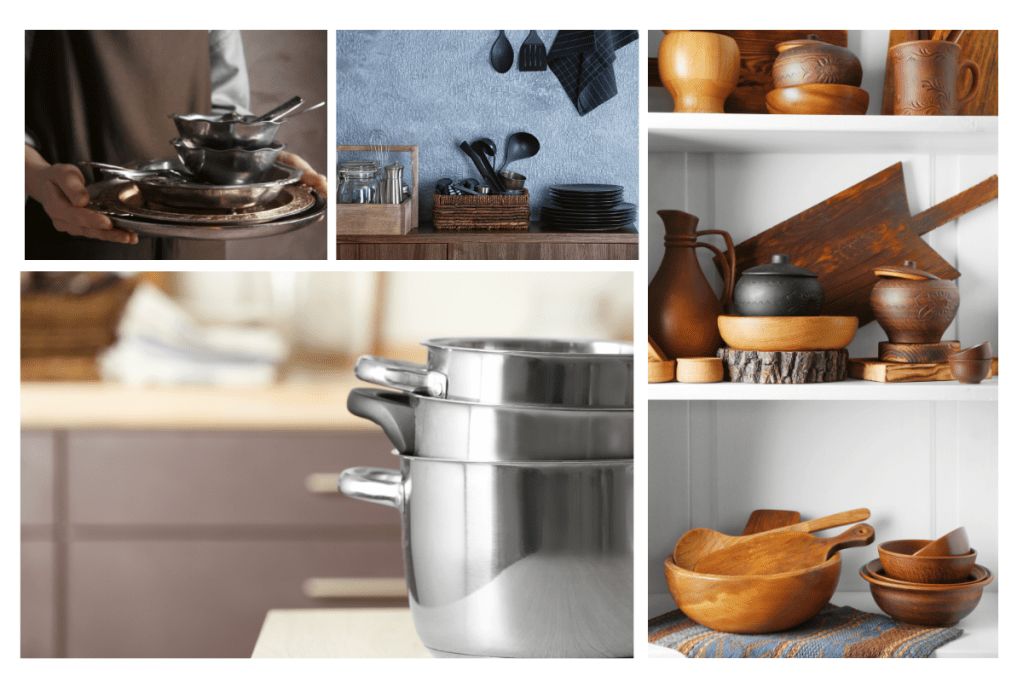
In the vast and varied world of culinary arts, it’s hard to overstate the importance of cooking ware with handles. These fundamental implements, crafted from various materials and available in all shapes and sizes, play a pivotal role in food preparation, cooking, and presentation. But what about these marvels of kitchen gadgetry make them such a crucial component of the modern kitchen? In short: the handles. These natural yet integral features facilitate the movement of sizzling-hot pots and pans from stovetop to countertop, from oven to table, all while keeping the intrepid chef’s delicate hands safe from burns and blisters.
So, what are some of the myriad types of cooking ware with handles, and how do we use them to create culinary magic? The possibilities are as endless as they are delightful, so let’s dive in.
Frying pan
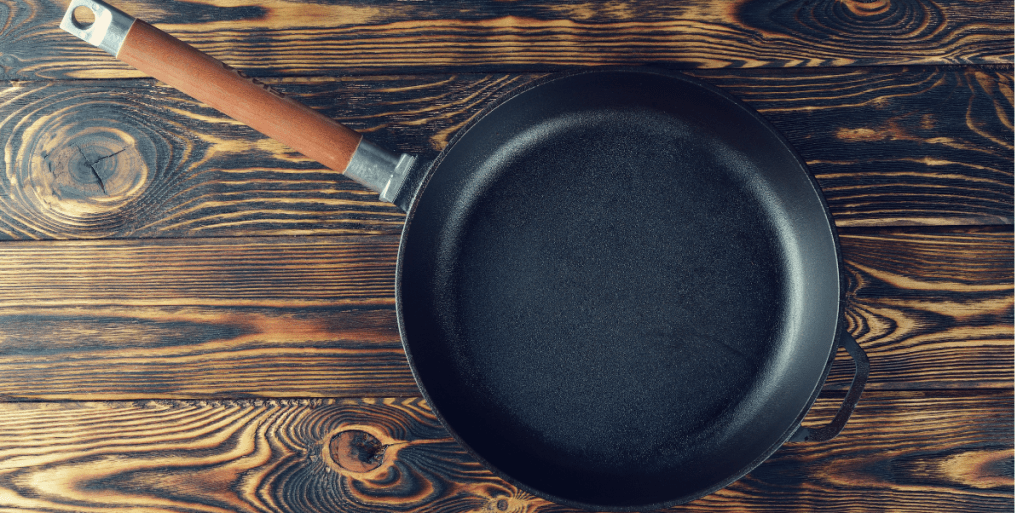
First, we have the classic and ubiquitous frying pan, a mainstay of any kitchen worth it’s salt. This versatile cooking tool is a true workhorse, capable of grilling, sautéing, pan-frying, and more. Its handle, usually made of heat-resistant materials like plastic or silicone, allows for easy manoeuvrability and efficient transfer of your delectable creations from pan to plate.
Saucepan
Next, the trusty saucepan is perfect for simmering sauces, soups, and stews. With its long handle and high sides, the saucepan makes it easy to stir and taste your creations while keeping things tidy and contained. And when it’s time to serve, the sturdy handle ensures that your masterpiece makes it safely to the table, even if you must navigate through a crowded kitchen or a multitude of hungry dinner guests.
Dutch Oven
Moving on, we come to the mighty Dutch oven, a heavyweight champion of the culinary world. This sturdy pot, usually made of cast iron or enamelled steel, is a go-to for hearty stews, roasts, and casseroles. Its long, sturdy handles on either side provide a solid grip, even when dealing with the heaviest and most substantial culinary creations.
Serving Dish
We also have the ever-elegant serving dish, a critical element of any successful dinner party or family gathering. These come in all shapes and sizes, from platters to bowls to individual plates, and are often made of materials like ceramic or glass. Though not always present, their handles allow for easy transport and presentation of your delicious edibles, ensuring they make it safely from the kitchen to the table.
Casserole Dish
Then there’s the casserole dish, a deep, rectangular, or oval dish with two handles and a lid, specifically for baking and serving casseroles, stews, and other dishes. The deep sides contain the ingredients, while the top locks in moisture and heat. These dishes span a range of sizes, from small ones, capable of holding only a few cups of food, to large ones, holding several quarts, making them perfect for family dinners and social events.
Wok
If you’re in the market for a pan perfect for stir-frying or deep-frying, consider the wok, a large, deep, round pan with a long handle and a small handle on the opposite side. Commonly made of carbon steel or cast iron, the wok’s shape allows for even heating and quick cooking, while the long handle facilitates easy handling on the stovetop. The small handle on the opposite side supports the wok while stirring, making for a hassle-free cooking experience.
Stockpot
The large, deep pot with two handles and a lidded stockpot is a reliable workhorse in any kitchen. It is used for making stocks, soups, and stews, with deep sides accommodating simmering large quantities of liquid. The two handles make it a cinch to lift the pot in and out of the stove. Stockpots come in various sizes, from small ones, holding just a few quarts of liquid, to large ones, holding several gallons.
Saucier
If sauces, custards, or risottos are your culinary forte, you can’t go wrong with a saucier, a round, wide, shallow pan with a long handle and a slightly curved rim. The outer sides allow for even heating and simple stirring, while the slightly curved edge makes pouring the contents out of the pan easy. Sauciers are available in various sizes, from small ones holding just a few cups of liquid to large ones holding several quarts.
Griddle
A grill, a flat, rectangular pan with a long handle, is perfect for cooking pancakes, bacon, and other breakfast foods. The flat surface allows for even heating and easy flipping, while the long handle permits easy handling on the stovetop. Grills come in various sizes, from small ones that can be used on a single burner to large ones that can be used on two or more burners.
Paella Pan
Finally, the large, wide, shallow pan with two handles is a must-have for making paella, a Spanish rice dish. The wide external surface allows for even heating and easy stirring, while the two handles make lifting the pan in and out of the stove a breeze. Paella pans are usually made of carbon steel or stainless steel.
When choosing cooking ware with handles, it is vital to consider the material it is made of. Some common materials include:
Stainless steel – durable, easy to clean, and resistant to rust and stains.
Aluminium – lightweight, heats up quickly and cools down quickly.
Cast iron – retains heat well and can be used on the stovetop and in the oven.
Ceramic – heats up evenly, retains heat well, and comes in various colours and designs.
Copper – heats up quickly and evenly but is often expensive and requires regular polishing to maintain its shine.
In addition to material, it is essential to consider the size and shape of the cooking ware. It is a good idea to have a variety of sizes and shapes to accommodate different types of food and cooking methods. It is also essential to consider the handle design, as some handles may be more comfortable to grip than others.
Whether a novice cook or a seasoned pro, having the proper cooking ware with handles can make all the difference in your cooking experience. Here are some tips and techniques for cooking with handles to help you get the most out of your kitchen tools.
Choose the right size and shape.
Cooking with handles requires careful attention to detail. It is vital to select the right size and shape of the cooking ware to match the food and cooking method. A small saucepan is ideal for a quick sauce or reheating leftovers, while a large stockpot is ideal for soups and stews. A sauté pan is perfect for cooking vegetables, while a round Dutch oven is suitable for roasting or braising meats.
Consider the material.
Material selection is another crucial aspect when choosing cooking ware with handles. Stainless steel, cast iron, and ceramic are popular options. Stainless steel is durable and easy to clean, while released iron retains heat well and is perfect for cooking over high heat. Ceramic heats up evenly and retains heat well, making it ideal for slow cooking.
Use the right handle grip.
When handling grip, selecting a comfortable and secure grip that will help you handle the cooking ware safely and efficiently is essential. Look for handles that are easy to hold, comfortable to grip, and don’t get too hot during cooking. Handles designed to stay cool to the touch even when the cooking ware is hot can be very helpful in preventing burns and injuries.
Pay attention to the weight.
The weight of the cooking ware with handles must also be considered. Heavy pans and pots can be challenging to handle and manoeuvre, while lightweight ones can be easier to lift and move around the stove. Consider the weight of the cooking ware and choose a size and shape that you can handle comfortably.
Use the proper cooking techniques.
When it comes to cooking techniques, different types of cooking techniques require different types of cooking ware with handles. Sautéing requires a shallow pan with a long handle while braising requires a deep pot with a tight-fitting lid. Grilling requires a flat skillet or grill pan with a long handle, while roasting requires a large, deep roasting pan with sturdy handles.
Don’t overcrowd the cooking ware.
Overcrowding the cooking ware is another common mistake that must be avoided. Overcrowding can lead to uneven cooking and prevent food from sticking or burning. Be sure to leave enough space in the cooking ware for the food to cook evenly, and avoid stacking or piling food on each other.
In conclusion, cooking ware with handles is essential to any kitchen. Various tools are available, from saucepans to roasting pans, to accommodate different types of food and cooking methods. When choosing cooking ware, it is crucial to consider the material, size, shape, and handle design to ensure the tools are functional and comfortable. With the proper cooking ware, anyone can create delicious and memorable meals in the comfort of their own home.
 Hey Singapore