
Discover the science behind the perfect bowl of Japanese ramen in “From Noodles to Broth”. Learn about umami, the perfect egg, and flavor balancing.
Introduction
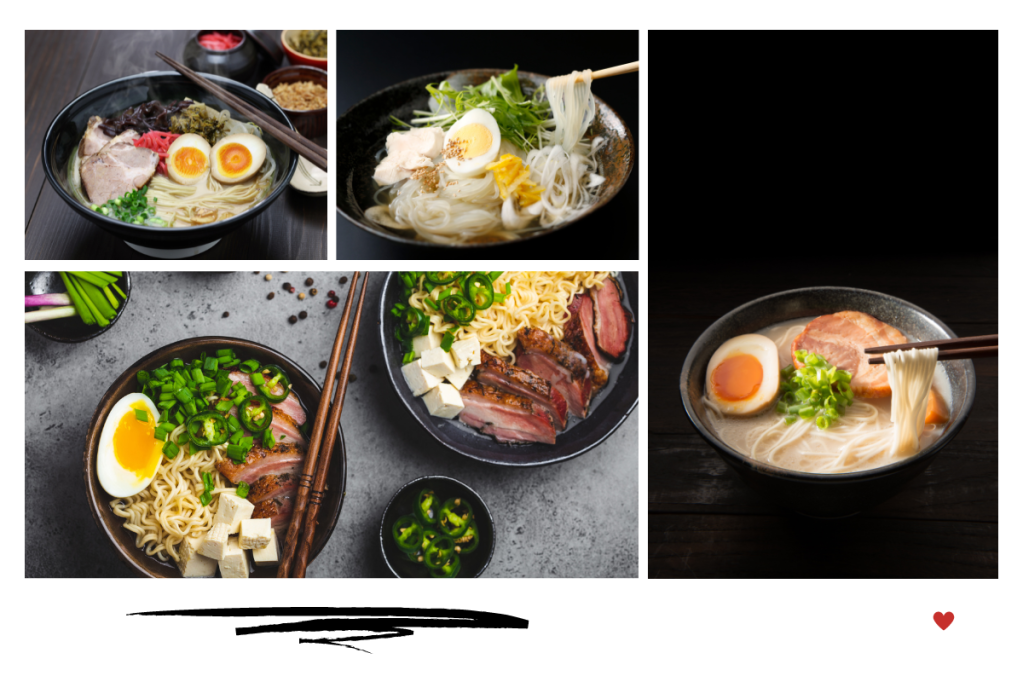
Ramen is a staple of Japanese cuisine, beloved for its scrumptious flavor, comfort, and simplicity. But, this seemingly straightforward meal conceals a centuries-old labyrinth of culinary mastery. Every element of ramen, from the smoothness of the noodles to the richness of the broth and the variety of toppings, has been meticulously created to provide an unforgettable sensory experience.
To fully appreciate the complexities of ramen, one must comprehend the chemistry involved in preparing the ideal bowl. This includes an in-depth study of the function of each ingredient, from the alkaline noodles to the flavorful broth, as well as the distinguishing qualities of each ramen variety. In this essay, we will examine the chemistry behind the perfect bowl of Japanese ramen, delving into the rich history and cultural significance of this cherished food. This essay will lead you on a journey of discovery, revealing the secrets behind the chemistry of the ideal bowl of ramen, whether you are a ramen expert or a novice.
Exploring the Chemistry Behind Shio, Miso, Tonkotsu, Sapporo, and Hakata Ramen
For many, ramen is more than simply a bowl of noodles and broth; it has become a global cultural phenomenon. In places such as the United States, where ramen cafes are appearing in nearly every major city, the Japanese delicacy has become widespread. But what makes an exceptional bowl of ramen, and how may the ideal bowl be achieved? Before we can answer these issues, we must investigate the science behind ramen.
There are numerous various variations of ramen, each with its own features. The broth in shio ramen, for example, is a light and pleasant salt-based soup. Miso ramen, on the other hand, is cooked with soybean paste and has a slightly sweet and savory flavor. Sapporo ramen is recognized for its miso-based broth and thick, curly noodles, whereas Tonkotsu ramen is famed for its rich, creamy broth produced from boiling pork bones. Lastly, Hakata ramen includes a creamy broth made from pork bones and thin noodles. Knowing the distinct chemistry of each variety of ramen is essential for preparing the ideal bowl.
Shio Ramen
Shio ramen, commonly referred to as the “original” ramen, is a meal that is both simple and elegant. The broth is prepared by boiling chicken, veggies, and seaweed with salt. Because the noodles are thin and straight, the broth adheres to them properly. The meal is frequently garnished with sliced pork, bamboo shoots, and scallions, as well as fish cake. The mild and refreshing flavor of Shio ramen makes it a popular dish.
Miso Ramen
Originating in Hokkaido during the mid-20th century, miso ramen is a relatively recent addition to the ramen market. Using a combination of pork and chicken bones, miso paste is used to season the broth. Miso ramen noodles are often thicker and have a chewier consistency, allowing them to withstand the intense flavors of the broth. Miso ramen toppings can vary, but typically include sliced pork, corn, and bean sprouts.
Tonkotsu Ramen
Tonkotsu ramen is a popular choice among ramen fans. The opaque and slightly viscous broth is created by simmering pork bones for several hours. The result is a flavorful soup that pairs wonderfully with the thin, straight noodles. The meal is typically topped with pork belly slices, scallions, and a soft-boiled egg.
Sapporo Ramen
Hokkaido’s provincial specialty, Sapporo ramen, is distinguished by its thick, curly noodles and miso-based broth. The broth is prepared from a combination of chicken and hog bones and miso paste. Sapporo ramen uses thicker noodles than other types of ramen, allowing them to withstand the robust broth. Typical toppings for Sapporo ramen include pork slices, bean sprouts, and corn.
Hakata Ramen
Hakata ramen is a Fukuoka prefecture delicacy distinguished by its thin, straight noodles and creamy pork-bone broth. Long-boiling pork bones yields a broth with a creamy, opaque consistency that pairs beautifully with the noodles. Hakata ramen toppings often consist of sliced pork, scallions, and pickled ginger.
The Ideal Serving of Ramen
Creating the ideal dish of ramen requires both art and science. The chemistry behind each variety of ramen is vital to the dish’s overall flavor and texture. Yet, there are more elements to consider when preparing ramen.
First, the noodles are an essential component of the dish. The texture, thickness, and shape of the noodles have a significant impact on how well the soup adheres to them and how well they withstand the toppings. The quality of the noodles is also crucial, with many ramen establishments producing their noodles from scratch with flour and water of the highest quality.
The toppings are a crucial component as well. Chashu, or sliced pork, is a common topping for a variety of ramen varieties. Typically, pig belly is prepared by slow-cooking the meat until it is tender and then slicing it thinly. Ajitama, or marinated soft-boiled eggs, is a popular garnish that imparts a robust and savory flavor to the dish. Menma, or bamboo shoots that have been seasoned, can provide crunch and texture to ramen.
Ultimately, the broth is the soul of ramen. The broth’s base ingredients can vary significantly, but commonly include meat, bones, vegetables, and seasonings. Many ramen chefs boil their broths for hours or days to acquire the ideal flavor and consistency.
The Finest Ramen in New York City and Tokyo
There are countless possibilities for discovering the best ramen in Tokyo. Tsuta, renowned for its shoyu ramen, and Nakiryu, specializing in tantanmen ramen, are two of the city’s most highly regarded ramen restaurants. Ippudo, which has locations all over the world and is known for its tonkotsu ramen, is another popular restaurant.
There are also plenty of good ramen restaurants to pick from in New York City. Both Ippudo and the popular brand Ichiran have multiple outlets in the city. Totto Ramen, which delivers spicy miso ramen, and Ivan Ramen, whose menu features both classic and fusion-style ramen dishes, are also well regarded.
The Enigma of Noodles: Understanding the Influential Role of Noodles in Ramen
The noodles in ramen are the backbone of the dish, and understanding their role in the overall culinary experience is critical to achieving an exemplary bowl of ramen. Factors such as texture, width, and shape all play a significant role in the way the broth envelops the noodles and the way they interact with the other ingredients in the dish.
The Multifaceted World of Toppings: Exploring the Myriad of Options
The toppings in ramen provide an added layer of flavor and texture to the dish, and each type of ramen has a distinct set of toppings that enhance its overall taste. From the succulent slices of chashu to the savory ajitama and the crispy menma, the right toppings can elevate a bowl of ramen from good to great.
The Essence of Broth: Uncovering the Secrets of Ramen Broth
The broth is the heart and soul of any bowl of ramen, and understanding the intricacies of its preparation is paramount in producing a superior dish. The composition of the broth varies across different types of ramen and can consist of meat, bones, vegetables, and seasonings, with the cooking process being crucial in obtaining the perfect taste and consistency.
Delving into Ramen Varieties: Understanding the Unique Characteristics
Shio Ramen, Miso Ramen, Tonkotsu Ramen, Sapporo Ramen, and Hakata Ramen are just a few of the many ramen varieties that exist. Each type of ramen has its unique set of characteristics, ranging from the flavor and consistency of the broth to the type of noodles used and the toppings.
Finding the Best Ramen in Tokyo: Exploring the Top Ramen Establishments
Tokyo is renowned for its exceptional ramen, with countless establishments offering unique interpretations of the beloved dish. From Tsuta’s celebrated shoyu ramen to Nakiryu’s lip-smacking tantanmen ramen, and Ippudo’s world-renowned tonkotsu ramen, Tokyo’s ramen scene offers something for every palate.
Discovering the Best Ramen in New York City: Exploring the Top Ramen Spots
New York City is a haven for ramen lovers, with a diverse selection of establishments offering a wide range of ramen styles. From Ippudo and Ichiran to Totto Ramen and Ivan Ramen, each restaurant brings its distinct take on the dish, showcasing the diversity and versatility of ramen.
The Art of Crafting the Perfect Bowl of Ramen
Crafting the perfect bowl of ramen is an intricate art that demands an in-depth understanding of the dish’s underlying chemistry and the quality of ingredients used. The interplay between the noodles, toppings, and broth, and the nuances that each brings, all combine to create a culinary masterpiece that is as delicious as it is satisfying. Whether in Tokyo or New York City, a world of exceptional ramen awaits, each with its distinct interpretation of this beloved dish.
In conclusion, preparing the ideal bowl of Japanese ramen is a difficult procedure that demands an in-depth knowledge of the chemistry behind each variety of ramen and the quality of the ingredients utilized. The consistency and thickness of the noodles, the choice of toppings, and the flavor and richness of the broth are all vital to the final dish. There are numerous outstanding ramen restaurants in both Tokyo and New York City, each with its own distinct touch on this popular cuisine.
 Hey Singapore