
Discover the impact of technology on nautical navigation. Chart new waters with modern tools and techniques. Learn more in our insightful article.
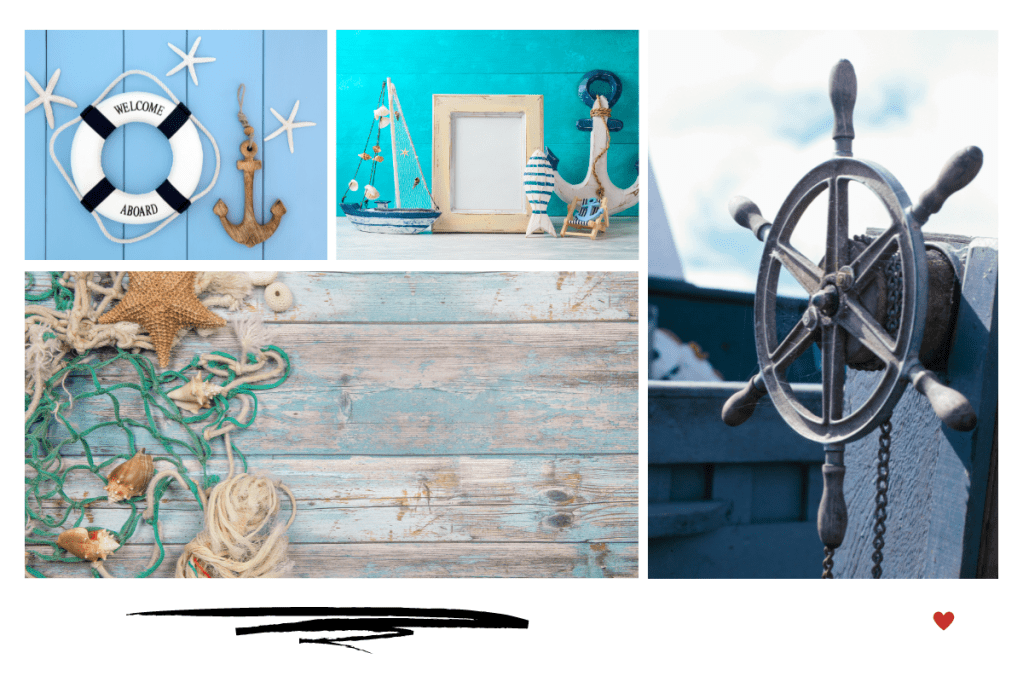
Introduction
Exploration at sea has been a vital aspect of human history for millennia. From the earliest mariners who ventured onto the wide ocean on rudimentary rafts to the present sailors who pilot cutting-edge boats, nautical exploration has played a crucial part in creating our knowledge of the globe. In this article, we will examine the intriguing history of nautical exploration, the legendary explorers who made it possible, the many artifacts and equipment utilized throughout history, and the technological advances that have changed the discipline.
An Overview of Nautical Exploration
The history of maritime exploration dates to antiquity. Egyptians, Greeks, and Romans were all maritime cultures that made substantial contributions to maritime exploration. The Egyptians, for instance, sailed along the River on reed boats, while the Greeks constructed triremes and galleys to explore the Mediterranean. Meanwhile, the Romans constructed a large network of roads and rivers that enabled them to explore and conquer new territories.
Throughout the Middle Ages, maritime exploration assumed a new importance. Arab sailors began to explore the Indian Ocean and the eastern coast of Africa as the Islamic empire expanded. With the great Admiral Zheng, the Chinese also became adept navigators. He led voyages to Southeast Asia, the Indian Ocean, and even Africa.
Beginning in the 15th century, the Age of Exploration signaled a new era in maritime exploration. With the invention of new sailing technology such as the caravel and the galleon, European explorers set sail to discover the world. Christopher Columbus, Vasco da Gama, and Ferdinand Magellan were among the notable explorers who sailed the oceans during this time, finding new territories and creating trade routes that would alter the course of history.
Famous Seafaring Explorers
There have been several maritime explorers throughout history who have made major contributions to the discipline. Here are some of the most well-known:
Christopher Columbus is arguably the most famous maritime explorer in history. He set off in Santa Maria in 1492 in search of a new trade route to the Far East. Instead, he discovered the New World, dramatically altering the path of history.
Vasco da Gama was a Portuguese explorer who is most remembered for his 1497-1499 expedition to India. He was the first European to circumnavigate Africa and establish a direct maritime route between Europe and Asia.
Ferdinand Magellan was a Portuguese adventurer who is most remembered for completing the first circumnavigation of the world. His crew finished the expedition, confirming that the world was round, despite the fact that he perished during the voyage.
James Cook was a British explorer whose journeys to the Pacific Ocean are the most well-known. He contributed significantly to the sciences of astronomy, cartography, and anthropology through his mapping efforts.
Nautical Artifacts and Equipment
Throughout history, marine explorers have utilized a range of gear and equipment to cross the open ocean. Among the most notable maritime artifacts are:
Since the 11th century, compasses have been used for navigation. These help sailors to identify their direction by aligning with the earth’s magnetic field.
Sextants measure the angle between the horizon and a celestial object, such as the sun or the stars. This information may be used to determine the location of the ship.
Chronometers are extremely precise clocks used to estimate longitude at sea. They were invented in the 18th century and represented a significant technological advancement in the field of navigation.
Sailors have utilized maps and charts to navigate the open seas for ages. They include information about coasts, currents, and other crucial factors that might assist sailors in determining their direction.
In addition to these relics, maritime explorers have utilized a range of navigational and operational equipment. Among the most essential types of nautical equipment are:
Anchors are used to maintain a ship’s position amid stormy seas. They have been used since antiquity and are a crucial component of maritime equipment today.
Sails are utilized to drive a vessel forward. They have been utilized for thousands of years and have been adapted to several sorts of watercraft, ranging from tiny rafts to large fleets.
Navigation lights are used to signal other vessels and assist sailors in navigating in the dark. They are necessary on all vessels and constitute an essential safety component.
In the event of an emergency, lifeboats provide a way of escape for sailors whose ship is sinking or in danger.
Developments in Maritime Technologies
The evolution of maritime technology has been considerable over the years. To traverse the wide ocean and run their vessels, contemporary sailors rely on cutting-edge technology. Among the most noteworthy developments in maritime technology are:
Global Positioning System (GPS): Global Positioning System (GPS) technology enables mariners to identify their location with great precision, making it significantly simpler to traverse wide waters.
Radar: Radar technology enables mariners to identify other boats and impediments in their route, regardless of the visibility conditions.
Sonar: Sonar technology utilizes sound waves to identify underwater objects, enabling mariners to travel securely and avoid dangers.
Electronic Charting: Electronic charting systems offer navigators with extensive information about the sea they are navigating, such as depth, currents, and other crucial facts.
The Top Maritime Applications
In addition to the traditional equipment used by sailors, there are several nautical applications that can aid in navigation and vessel operation. Among the finest maritime applications are:
Navionics is a popular navigation application that offers comprehensive charts and real-time weather data.
Windy: Windy is a weather application that delivers accurate wind and wave forecasts, allowing sailors to easily plan their courses.
Ship Finder is an application that employs AIS (Automatic Identification System) technology to follow ships in real-time, allowing users to easily avoid traffic and sail safely.
Maritime Fashion and Interior Design
In recent years, nautical fashion and interior design have grown increasingly trendy. From sailor stripes and anchor patterns to ship wheels and oars, a variety of fashion and home design items have nautical themes. Here are some of the most popular nautical fashion items:
Breton Stripes: Breton stripes, a traditional navy-and-white stripe pattern, are a hallmark of maritime fashion.
Boat shoes are a form of functional and comfy footwear that has become linked with nautical design.
With their flat crown and brim, sailor hats are a popular accessory for nautical-themed occasions.
Moreover, a nautical home décor may lend a bit of maritime beauty to any room. Some popular nautical décor elements include:
Ship Wheels: Ship wheels are a traditional piece of nautical decor that can bring a bit of maritime flair to any area.
Oars: Due to its rustic appeal, oars are a popular maritime décor item that may be utilized to create a coastal-inspired display.
Themes for Nautical Weddings
There are a variety of nautical wedding themes available for ocean-loving couples who wish to integrate nautical aspects into their wedding. Among the most popular nautical wedding themes are:
Beach weddings are a typical nautical wedding theme, with sandy coastlines, sea breezes, and ocean vistas.
Couples might integrate maritime features such as ship wheels, anchors, and rope embellishments into their wedding decorations.
A blue and white color combination is a traditional nautical option, representing the sea and the sailor’s outfit.
Locations for Nautical Vacations
There are numerous holiday destinations across the world that provide a variety of maritime activities and attractions for ocean and nautical enthusiasts. Here are some of the top nautical holiday destinations:
The Bahamas are a popular holiday destination for sailors due to its crystal blue seas and plenty of boating, fishing, and snorkeling options.
The Greek Islands offer a range of marine sports, including sailing and kayaking, in addition to beautiful beaches and ancient harbors.
Cape Cod, Massachusetts: With its historic lighthouses, beautiful beaches, and lovely seaside communities, Cape Cod is a favorite holiday destination for nautical enthusiasts.
Tourism-Related Activities
In addition to conventional nautical activities like sailing and fishing, there are several nautical tourist activities that allow visitors to enjoy everything the ocean has to offer. Examples of popular maritime tourist pursuits include:
Whale Watching: Whale watching trips provide tourists with the opportunity to observe these majestic animals up close and gain insight into their behavior and environment.
Scuba diving is a popular nautical tourist activity that allows visitors to explore the undersea environment and observe a diversity of marine creatures.
Seaplane Tours: Seaplane excursions provide guests with a unique viewpoint of the water, allowing them to observe the shoreline and nearby islands from above.
Maritime Accommodations
There are various lodgings with a nautical motif across the world for folks who enjoy all things maritime. There are several possibilities for people who like to immerse themselves in nautical beauty, from little bed & breakfasts to magnificent beachside resorts. Some popular maritime amenities include:
Lighthouse hotels, which are frequently located on the coast and provide breathtaking ocean views, are a popular option for individuals who like nautical appeal.
Beachfront resorts provide convenient access to the water, a range of nautical activities, and breathtaking views of the ocean.
Houseboats are a unique and lovely nautical housing alternative, providing the opportunity to experience life on the sea.
Conclusion
Sailors traveling the wide oceans in quest of new countries, trading routes, and resources have played a crucial part in the development of humanity. From ancient seafarers to current sailors, navigating and operating vessels has required a range of artifacts and equipment, as well as technological breakthroughs. Many activities, sights, and hotels with a nautical theme allow guests to enjoy the ocean and all it has to offer. Whether you are an experienced sailor or simply a fan of all things nautical, there are several ways to incorporate nautical features into your daily life and travels.
 Hey Singapore