
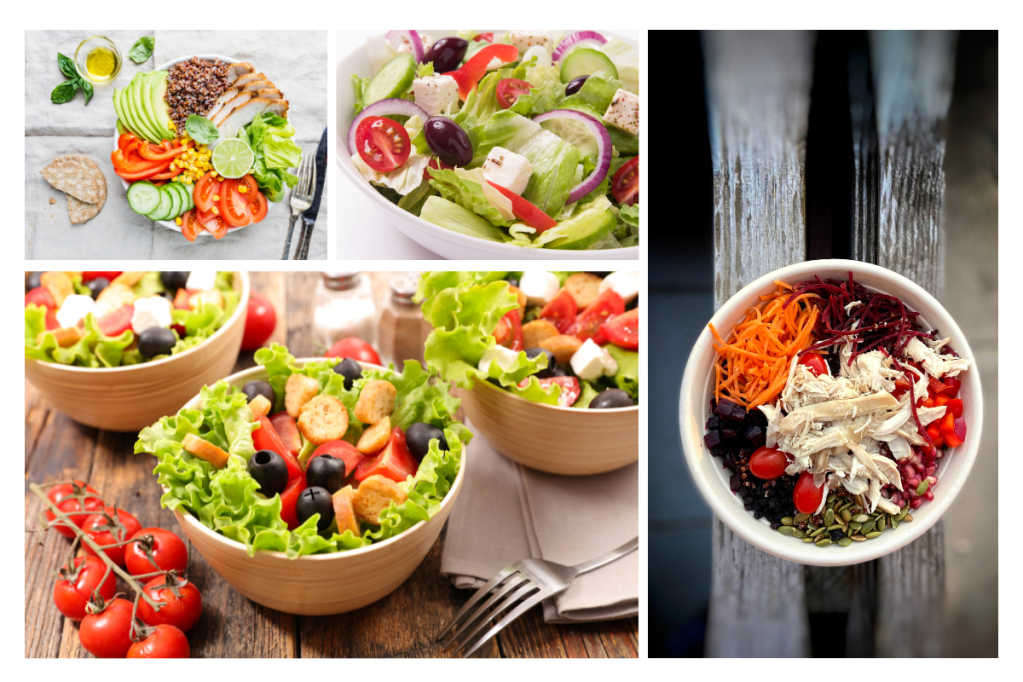
A salad bowl is a concept used to describe a society or a community that embraces diversity and encourages people from different backgrounds to maintain their unique cultures, traditions, and identities. Unlike a melting pot, where people from different cultures are expected to assimilate into a dominant culture, a salad bowl recognizes and celebrates the differences between cultures, allowing them to coexist harmoniously. This essay will explore the concept of a salad bowl, its origin, significance, and implications for society.
Origins of the Salad Bowl Concept
The abstract construct of a salad bowl can be retrospectively attributed to the tumultuous era of the 1950s and 1960s, an epoch characterized by amplified migration and divergent cultural expression in the United States. At that juncture, the notion of a melting pot was in vogue, with immigrants expected to homogenize into the prevailing cultural framework. Nonetheless, specific visionary individuals challenged this ideological stance, opting instead for an all-encompassing approach that acknowledged and exalted cultural disparities.
One of the initial mentions of the salad bowl concept was made by sociologist Nathan Glazer in a 1958 article. In it, he described the United States as a “mosaic” of cultures instead of a melting pot. Glazer contended that the varied cultural backgrounds of immigrants should be sustained rather than assimilated, creating a vibrant and dynamic society that celebrates diversity and distinctiveness.
Cultural exchange is another critical element of the salad bowl concept. People from different cultures can share their experiences, traditions, and beliefs in a salad bowl society. This can create a more empathetic and understanding community as individuals learn to appreciate the perspectives of others. By fostering cultural exchange, a salad bowl society can become more tolerant and appreciative of the vast array of cultures and customs that coexist within it.
One of the benefits of the salad bowl approach is that it allows individuals to maintain their cultural heritage while still feeling part of a larger community. This can be especially important for individuals who have experienced discrimination or marginalization. A salad bowl society can foster a sense of belonging and inclusion by creating a space where individuals can express themselves freely.
Venturing further into the complexities of a salad bowl society, it becomes apparent that power dynamics and privilege can be challenging to navigate. Certain cultures may sometimes dominate or be bestowed with honor, causing friction and disparities. To surmount these obstacles, it is crucial to recognize and remediate such power imbalances, striving towards a more just and equal society.
Despite its potential strengths, the salad bowl approach can also present formidable challenges. Critically, some contend that it can lead to social fragmentation and hinder the formation of a collective identity or purpose. If individuals only intermingle with those who share their cultural heritage, establishing a sense of communal identity and shared purpose can prove arduous.
The concept of a salad bowl is a powerful reminder of the importance of embracing and celebrating diversity. A salad bowl society can create a more inclusive, harmonious, and dynamic community by valuing and preserving cultural differences. While there are challenges to this approach, the benefits are clear – a salad bowl society empowers individuals to express themselves freely, learn from one another, and create a stronger sense of community.
Salad bowls are commonly used for serving salads, but did you know they are incredibly versatile and can be used for much more? These handy kitchen tools can be used in unique and exciting ways you may have never considered. In this article, we will explore the different uses of a salad bowl and show you how to get creative in the kitchen.
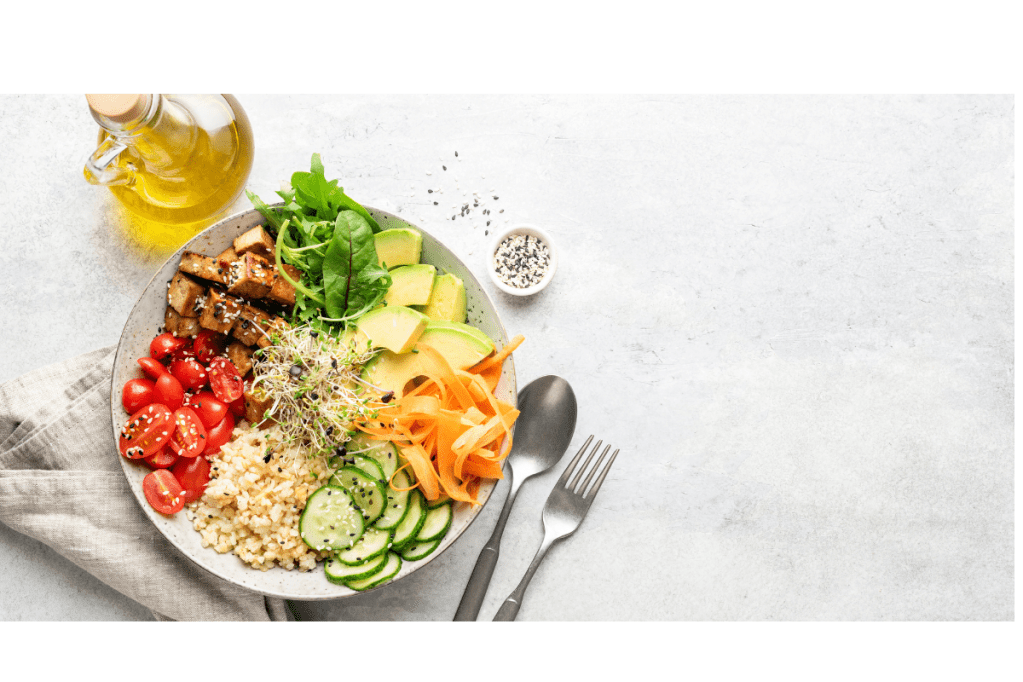
Serving Bowl for Entertaining
Firstly, salad bowls are perfect for serving appetizers and snacks when entertaining guests. You can fill a large salad bowl with chips, popcorn, or pretzels for a casual gathering or use it as a serving dish for a more formal dinner party. The wide, shallow shape of the bowl also makes it great for displaying and serving fruit or cheese platters.
Mixing Bowl for Baking
Salad bowls can also be used as mixing bowls for baking. A salad bowl can be a great alternative if you don’t have a large mixing bowl on hand. The bowl’s wide opening and deep shape make it easy to mix ingredients without making a mess. You can also use it as a bowl for mixing pancakes or waffle batter.
Bread Bowl
In addition, a salad bowl can be used as a bread bowl for serving warm, fresh bread straight from the oven. Line the bowl with a clean kitchen towel and place the bread inside. The towel will help keep the bread warm, and the bowl will catch any crumbs. This is a great way to add a rustic touch to your table setting.
Fruit Infused Water Dispenser
A salad bowl can be used as a dispenser for fruit-infused water for a healthy and refreshing touch. Fill the bowl with water and add sliced fruit like lemons, limes, and strawberries. Place a fixture at the bottom of the bowl and serve the water in glasses. This is a great way to add flavour and hydration to any gathering.
DIY Terrarium
If you’re feeling creative, a salad bowl can be used as the base for a DIY terrarium. Fill the bowl with layers of pebbles, sand, and soil, and add small plants or succulents. This is a great way to bring a touch of nature indoors and create a beautiful centrepiece for your table.
Ice Cream Sundae Bowl
A salad bowl can be used as an ice cream sundae bowl for a fun and unique dessert. Fill the bowl with scoops of ice cream, whipped cream, and your favourite toppings like chocolate chips, sprinkles, or caramel sauce. This will impress your guests and add some excitement to your dessert menu.
Holiday Decoration
Finally, a salad bowl can be used as a centrepiece for holiday decorations. Fill the bowl with ornaments, pinecones, or other seasonal decorations for a festive touch. This is a great way to add a personal touch to your holiday decor and make your table setting unique.
Now that we are done highlighting its versatility in the kitchen. Here are some health benefits of a salad bowl as a dish.
High Nutritional Value
A salad bowl contains many nutrients, including vitamins, minerals, fibre, and antioxidants. These nutrients help to keep your body healthy and functioning correctly. A typical salad bowl contains vegetables such as lettuce, spinach, carrots, bell peppers, cucumber, and tomatoes, all rich in vitamins and minerals. Fruits like berries and citrus fruits provide antioxidants and additional vitamins. Nuts and seeds are excellent sources of healthy fats and proteins essential for maintaining good health.
Helps with Weight Management
A salad bowl can be an excellent addition to a weight management program. Eating a salad before your main meal can help you feel fuller and prevent overeating. Additionally, the high fibre content in vegetables and fruits helps regulate digestion, making you feel fuller for extended periods. The low-calorie count of a salad bowl also means that you can consume a more significant portion without worrying about consuming too many calories.
Aids Digestion
A salad bowl can help to promote healthy digestion. The fibre in vegetables and fruits helps to keep your bowels moving regularly and can prevent constipation. Additionally, the enzymes in raw vegetables and fruits can help break down food more efficiently, reducing bloating and other digestive issues.
Promotes Hydration
Many vegetables and fruits are high in water content, so eating a salad bowl can help you stay hydrated. Drinking water is essential for good health, and eating a salad bowl is an easy and delicious way to increase your daily water intake.
Boosts Energy Levels
The nutrients in a salad bowl can help boost your energy levels and keep you alert and focused. The carbohydrates in vegetables and fruits provide energy, while the vitamins and minerals help to keep your body functioning correctly. Eating a salad bowl can also help prevent sugar crashes after consuming high-carbohydrate or high-sugar foods.
Supports Immune System
A salad bowl’s high nutrient content can also help support your immune system. The antioxidants, vitamins, and minerals found in vegetables and fruits help to strengthen your immune system, making it easier for your body to fight off infections and diseases.
The salad bowl, a seemingly unassuming dish, is brimming with many health benefits. It’s an effortless and refreshing way to consume fresh veggies and fruits, a superb supplement to any meal or a standalone dish. Incorporating a salad bowl into your diet can do wonders in maintaining good health, weight management, digestion enhancement, hydration, energy boost, and fortifying your immune system.
Intriguingly, the advantages of consuming a salad bowl go beyond the physical realm; it can also boost your overall mental health. The nutrients in vegetables and fruits, such as folate, vitamin C, and flavonoids, have been shown to affect mood and cognitive function positively. Ingesting a salad bowl can also alleviate stress levels and evoke a sense of calm and tranquillity.
Another perk of partaking in a salad bowl is its versatility. With an endless array of veggie, fruit, nut, and dressing combinations, you can effortlessly customize a salad bowl, tingle your taste buds, and experiment with different textures and flavours.
Moreover, consuming a salad bowl is good for your health and an eco-friendly option that endorses sustainable agricultural practices and mitigates food waste. Most vegetables and fruits in salad bowls are locally sourced, reducing transportation’s carbon footprint. Utilizing leftover vegetables and fruits from other meals in a salad bowl can efficiently minimize food waste.
 Hey Singapore