
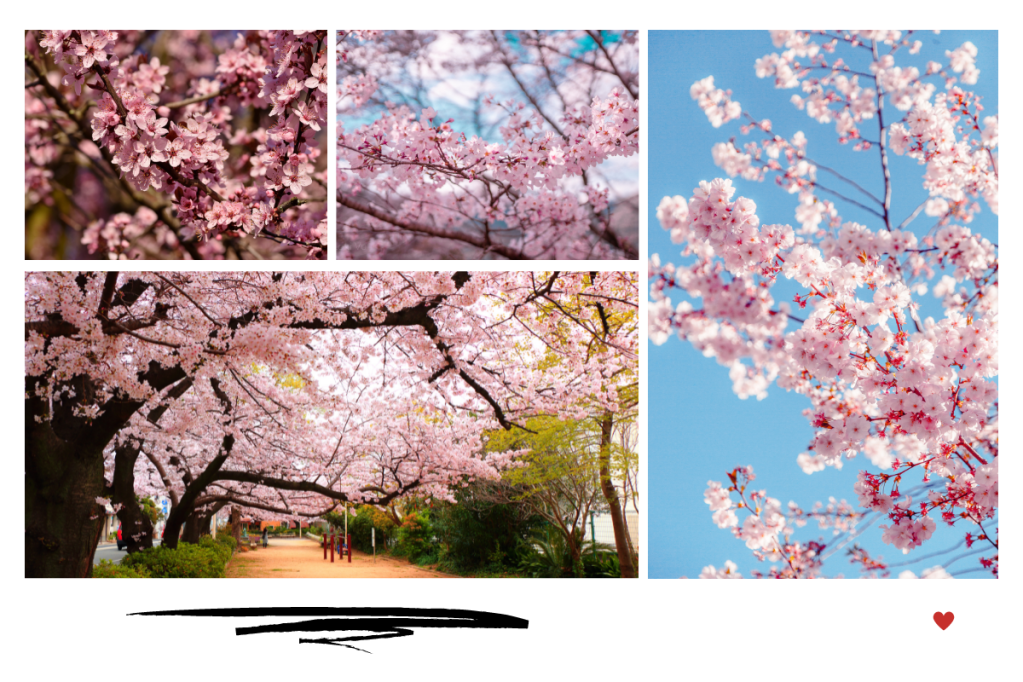
When we think about sakura, we frequently envision the delicate pink and white flowers that signal the approach of spring. The Sakura Festival, held annually in Japan and other areas of the world, is a celebration of the delicate beauty of these flowers. Sakura also embodies the transitory aspect of life, the impermanence of beauty, and the rebirth of the seasons.
In Traditional Chinese Medicine, the sakura tree has a long history of therapeutic usage beyond its aesthetic and cultural significance. TCM practitioners have recognized the medicinal value of sakura and used it to treat a range of diseases for millennia.
An Overview of Sakura in Traditional Chinese Medicine
In Traditional Chinese Medicine, the usage of sakura dates back to the Tang Dynasty (618-907 A.D.), when it was used to cure a variety of diseases. Traditional cures made use of the sakura tree’s blossoms, leaves, and bark, with the flowers being the most widely employed component.
The Sakura Significance in Japanese Culture
Sakura has been a significant cultural symbol in Japan for generations. The sakura festival, also known as hanami, is a time for appreciating the beauty of the cherry blossoms. The sakura tree is also a symbol of the impermanence of all things and the ephemeral quality of beauty.
The Development of Sakura Crafts in Japan
Origami and kirigami are two of the most well-known examples of sakura arts and crafts that have been popular in Japan for generations. In recent years, sakura-inspired crafts have expanded to encompass glass, porcelain, and fabrics, among other materials. These crafts are frequently viewed as a means of connecting with traditional Japanese culture and the sakura tree’s beauty.
Sakura’s Impact on Japanese Literature
Cherry is also a prominent motif in Japanese literature, from haiku poetry to modern novels. The beauty and ephemeral nature of the sakura tree is frequently utilized as a metaphor for the impermanence of human existence. The significance of sakura in Japanese culture continues to inspire artists and authors today.
Sakura’s Importance in Japanese Food
Cherry is admired not only for its beauty but also for its distinctive flavor. In Japanese cuisine, sakura petals are frequently used to provide a delicate floral flavor to foods such as mochi, wagashi, and tea. In addition to the petals, the leaves and bark of the sakura tree have also been employed for their therapeutic benefits in traditional Japanese cuisine.
Sakura has a storied past in both Traditional Chinese Medicine and Japanese culture. Its beauty and symbolism have influenced painters and poets for centuries, while current academics continue to investigate its medical effects. Whether used for tea, art, or medicine, the sakura tree with its exquisite flowers will continue to enchant and inspire people throughout the globe.
Sakura In Traditional Chinese Medicine
Sakura is known in Traditional Chinese Medicine as yīng táo or yīng huā. The tree’s blossoms, leaves, and bark are utilized in numerous TCM formulations. Sakura is classified as a cooling plant, which means it is used to expel body heat. According to Traditional Chinese Medicine, sakura possesses the following therapeutic properties:
Sakura is claimed to cleanse the body of heat, making it a useful treatment for fever, inflammation, and infections.
It is claimed that Sakura has a relaxing impact on the psyche, making it effective for treating anxiety, tension, and sleeplessness.
Sakura is believed to increase circulation, which can assist in relieving pain and promoting recovery.
Sakura is an effective treatment for dry cough and constipation due to its ability to moisten dryness in the body.
Sakura is claimed to have detoxifying capabilities, making it effective for treating skin diseases and other disorders produced by toxins in the body.
Sakura’s applications in traditional Chinese medicine
Sakura is utilized in numerous Traditional Chinese Medicine products, including as beverages, tinctures, and powders. The following are some common applications of sakura in Traditional Chinese Medicine:
Sakura Tea: Sakura tea is a popular way to experience the sakura’s healing properties. The flowers are soaked in hot water to make sakura tea, which is then drunk as a beverage.
Sakura Powder: Made by crushing dried sakura flowers, sakura powder can be used to smoothies, soups, and other meals. That is an easy way to incorporate sakura into your diet and reap its medical advantages.
Sakura Tincture: Sakura tincture is a medicinal extract created by soaking the petals in alcohol. It is a concentrated form of sakura that is frequently used to treat more severe diseases.
Sakura Syrup: Sakura syrup is created by boiling sakura flowers in water and adding sugar. It can be eaten as a cough syrup or as a sweetener.
Cherry blossoms and Japanese herbal remedies
Traditional Japanese medicine has also made use of sakura, which is referred to as sakura no ha or sakura leaves. Sakura leaves are frequently used to treat skin disorders, diarrhea, and the flu due to their purported astringent, anti-inflammatory, and antiviral characteristics.
Works of Sakura Art
Sakura has been utilized for more than only its therapeutic purposes. Origami and kirigami featuring sakura flowers are two of Japan’s and the world’s most beloved cultural exports. A wide variety of mediums are used to depict cherry blossoms, but paintings, sculptures, and photographs are among the most common.
Resorts & Views of the Sakura
Destinations where sakura can be viewed in their native habitat are much sought after by visitors. Guests who are particularly interested in sakura can stay in a hotel that has been designed with them in mind.
The Best Recipes for Sakura Flowers and Tea
You may savor the delicate flavor of sakura in many different dishes thanks to sakura recipes like sakura mochi and sakura manju. In recent years, Sakura tea in particular has gained in popularity. As a result of its mild flavor and calming properties, it has quickly become a fan favorite among tea drinkers. It has been theorized that the antioxidant components of sakura tea can help reduce the danger of cardiovascular disease and cancer.
To Tend to Sakura Trees
As a delicate and attractive plant, sakura trees demand specific care. The health and beauty of a sakura tree depends on regular maintenance like trimming, fertilizing, and watering.
Style Inspired by Cherry Blossoms
Because of its significance as a cultural icon in Japan, sakura has also had an impact on the world of fashion. During the springtime sakura festival, people often wear kimonos and yukatas with sakura prints. Soft pinks and whites, like those of sakura blossoms, are frequently used in clothing and accessories.
Where Sakura Studying Is Headed
More studies on the healing effects of sakura are being done as interest in alternative medicine and natural treatments increases. Extracts of sakura have shown promise as a natural cure for a wide range of health issues thanks to its anti-inflammatory, anti-oxidative, and anti-bacterial capabilities, according to scientific research. There has been some interest in sakura’s possible uses in the pharmaceutical sector, and that research is continuing.
Precautions
Although sakura is generally safe to ingest, certain care must be observed. Pregnant women and anyone with bleeding issues should avoid sakura since it can thin the blood. Those who are allergic to cherry blossoms or allied flora must also avoid sakura.
Conclusion
Sakura is far more than merely a gorgeous blossom. Its lengthy history of usage in Traditional Chinese Medicine demonstrates its therapeutic characteristics and health benefits. From boosting circulation and calming the mind to eliminating heat and detoxifying, sakura can be used to treat a wide range of health ailments.
Before utilizing sakura as a cure, it is essential to consult a healthcare practitioner, as with any herbal remedy. While sakura is typically safe, it may interfere with certain drugs or exacerbate pre existing disorders.
Sakura has also been utilized in traditional Japanese medicine, where it is referred to as sakura no ha or sakura leaves. Sakura leaves are frequently employed in the treatment of skin disorders, diarrhea, and influenza due to their purported astringent, anti-inflammatory, and antiviral characteristics.
In addition to its therapeutic effects, sakura has been employed in a number of other contexts. Sakura-themed arts and crafts, including origami and kirigami, are popular in Japan and throughout the world. Places where sakura can be viewed in their natural environment are famous tourist sites. Offering themed rooms and services, sakura hotels cater to sakura fans. And sakura recipes, such as sakura mochi and sakura manju, allow people to savor sakura’s flavor in a variety of cuisines.
In recent years, Sakura tea in particular has gained in popularity. It is a favorite among tea connoisseurs due to its delicate flavor and calming effects. It is also claimed that sakura tea has antioxidant properties and may reduce the incidence of heart disease and certain cancers.
In addition to its medicinal and culinary use, sakura has been incorporated into fashion and art. Kimonos and hairpins inspired by the cherry blossom flower are popular in Japan and around the world. And sakura art, including paintings, sculptures, and photographs, is a favorite subject among artists.
In conclusion, sakura is considerably more than a gorgeous bloom. Its extensive history of usage in Traditional Chinese Medicine and traditional Japanese medicine demonstrates its therapeutic benefits and potential to cure a wide range of health issues. Its prevalence in various fields, such as gastronomy, fashion, and art, demonstrates its cultural significance and ongoing allure. While sakura’s outward appearance is transitory, its influence on human health and culture is enduring.
 Hey Singapore