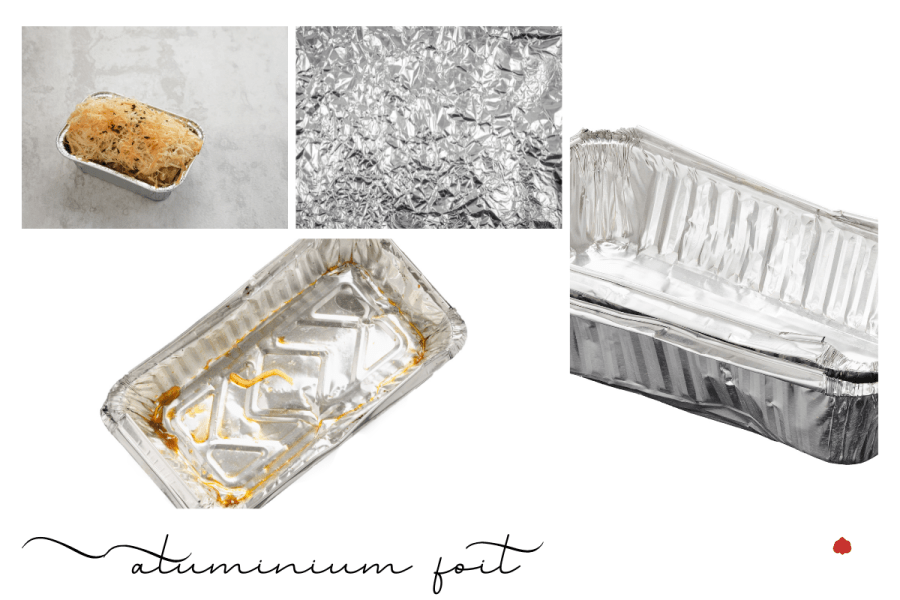
Do you long for the days when you could relax and eat instead of working to prepare it? Are you trying to find a cheap solution to storing leftovers? Aluminum foil is a great solution for this kind of problem. In this piece, I’ll discuss the many clever ways aluminum foil may be put to use in the kitchen. To learn more, keep on reading!
First of all, what does one do with aluminum foil?
Due to its cheap cost and excellent adaptability, Aluminum foil is utilized in a variety of contexts. It is a thin sheet of aluminum metal, typically between 0.00017 and 0.0059 inches thick. A strong and puncture-resistant aluminum alloy is used in its construction; this alloy contains between 92 and 99 percent aluminum and is mostly composed of iron and silicon.
Aluminum foil is often used in the food industry as a packaging material due to its high oxygen (and moisture) barrier properties. It’s also a key ingredient in the making of flexible packaging. This versatile material may be used in a variety of settings, including the kitchen (for things like baking and food packing) and beyond.
A Brief Review of Aluminum Foil’s Background
In fact, Aluminum foil has been around for quite some time. In 1913, Americans started buying products like Life Savers and candy bars wrapped in foil for the first time. European bakery items were the first products to be offered in aluminum foil packaging. Soon after, a plethora of additional consumer goods entered the market. In 1903 France began producing aluminum foil, making it the global pioneer in this field. Tobler, a Swiss chocolate maker based in Bern, began using aluminum foil packaging in 1911.
Switzerland and Germany’s dairy industry started experimenting with Aluminum foil in the 1930s, especially for packaging butter and cheese. Although Robert Victor Neher is often credited with developing aluminum foil, his real contribution was in the form of apparatus that could efficiently mass manufacture the product. Its flexible and convenient nature led to its initial application in industrial settings, such as the lining of boilers and radiators, and its eventual adoption as a household staple.
Tin foil’s first use was in the industrial sector, where it was utilized for things like lining boilers and radiators. Aluminum foil’s usefulness has increased over the years, and it is now used in a broad range of situations, from the packing of food to acts of insulation to artistic pursuits.
Components of Aluminum Foil
To create Aluminum foil, an aluminum alloy with a 92–99 percent aluminum content is often employed. Aluminum alloys with other metals such iron, zinc, manganese, titanium, and silicon to create this material, which has a typical thickness of 0.00017 to 0.0059 inches. In today’s market, most aluminum foil is over 17 microns thick and made from pure aluminum (containing 99 to 99.9% AI).
Together, they form a seal that keeps out every last gas in the atmosphere. Mechanical qualities, including alloy gauge temper, tensile strength, and elongation, for aluminum foil in the 0.006 mm to 3 mm thickness range are covered by this specification. For many years, aluminum foil has been an integral part of home cooking due to its versatility and usefulness in food storage and preparation. The list of things it can do is long.
Aluminum foil’s many uses
There is a wide range of applications for Aluminum foil in both the home and the office. Uses for this material include electrical, heat exchange, and thermal protection, as well as food packaging, insulation, and wrapping. It’s also a substance that may be used to encase wires of various kinds.
Among its many possible uses in the kitchen is as a barrier against light, air, moisture, and bacteria; it may also be used to soften brown sugar, line cabinets and drawers, protect a child’s bedding, and wrap food for storage or cooking. In addition, it sees extensive application in the construction industry as an ingredient in products like stone wool, foam insulation panels, and lamellar matting. The above are just a few instances. Crafters have found that aluminum foil, which can be easily cut into attractive shapes, has a wide variety of practical applications.
Is It Safe to Bake using Aluminum Foil?
Aluminum foil is a flexible and helpful kitchen staple, but many people are unclear whether they may use it in the oven. Aluminum foil is not dangerous to one’s health and should not be avoided for this reason. Wrapping the bottom of the oven with foil increases the risk that the food may overcook and get burned, thus it is best to avoid doing so.
Most recipes include how to use aluminum foil to either wrap food or line baking pans while in the oven. Very useful for keeping foods from scorching or sticking to the tray, resulting in more uniform cooking and easier cleaning. Aluminum foil also has a secondary use: covering food items before reheating them in the oven. The presence of volatile acids, however, calls for caution while baking using aluminum foil.
These are six advantages of using aluminum foil for food storage.
In many ways, Aluminum foil is superior than other packaging methods for storing and transporting food. It acts as a reliable shield against air, water, oxygen, and other gases. Foods stay fresher for longer and retain more of their original taste thanks to this method. This aids in keeping their aroma around for longer as well. In addition to being lightweight and flexible, it is also incredibly simple to recycle, making it an environmentally sound choice.
Not only that, but it also provides a harmless substitute for conventional methods of food preservation. In addition to keeping food warm or cold more quickly, aluminum foil is able to do so because its thin sheets transport heat 2.4 times faster than iron. These features make aluminum foil a great material for food storage containers.
Step-by-Step Guide to Cooking with Aluminum Foil
Aluminum foil, which has been used in kitchens for many years, may make cooking easier and more efficient. Foil may be used in a variety of ways in the kitchen, including wrapping food in it before cooking, lining pans and baking dishes with it, making packets of herbs and spices to enhance flavor, and even baking with it. On top of all that, it serves as a great food storage container.
For example, you may use it to clean the grill or oven after cooking, and it can also be used to assist stabilize vegetables with a round shape. In the kitchen, use thick aluminum foil that can resist the high temperatures of the oven or grill, and make sure the shiny side is facing out so that the food can absorb the radiant heat waves that bounce off the foil. To keep meals warm without adding extra fat or calories, aluminum foil is a terrific kitchen tool to have. Furthermore, remember to store foil the right way and adhere to the safety precautions that have been discussed before. With these aluminum foil hacks in mind, you should find it to be an indispensable tool in the kitchen.
Some Useful Tips for Storing and Handling Aluminum Foil
While working with aluminum foil in any capacity, it’s important to take the necessary precautions. Use heat-resistant gloves or tongs to avoid burns while handling hot foil. Aluminum may seep into food and pose serious health risks, therefore avoiding contact with it is also crucial.
Aluminum foil should be kept in its original package and stored in a cool, dry place. Corrosion may set in if the material wasn’t shielded from the dampness and humidity of the environment. Finally, care must be taken to keep the foil from coming into contact with sharp things, which might cause it to rip or get punctured. For the best results from aluminum foil, it’s crucial to keep safety in mind and make full use of all of the aforementioned recommendations.
Some of the Drawbacks of Employing Aluminum Foil
When it comes to the packaging of food and the preparation of meals, aluminum foil provides a number of advantages; nonetheless, it is vital to be aware of the potential downsides that it may also present. The fact that laminated aluminum foil cannot be recycled in the same manner that conventional aluminum foil can is one of the most major limitations of adopting aluminum foil. This is due of the problems associated in separating the laminate’s various components.
Second, the most major negative of aluminum foil is that it has a limited resistance to acid. Due of this, fruit juice and other acidic items should not be packed in layers that are supposed to be hermetically sealed. In addition, recent studies have raised concerns that the use of aluminum foil in cooking on a regular basis may be dangerous to one’s health. When it comes to aluminum foil, luckily, only trace levels of metal permeate into food during the cooking process when it’s made using aluminum foil or cookware.
In conclusion, aluminum foil is a versatile tool that may be utilized efficiently and readily in a broad range of circumstances. Cooking, food packing, and a broad range of other duties around the house are some of the countless applications for it. It is necessary to consistently employ aluminum foil in accordance with the directions supplied by the manufacturer, as well as to follow any safety precautions that should be taken when handling and storing the foil. Aluminum foil is not only an easy-to-work-with material that can be put to a broad range of diverse applications, but it is also an economical and effective solution for keeping the quality and safety of food.
 Hey Singapore