
Looking for a sustainable and healthy way to cook your meals? Discover the benefits of using ceramic pots! Reduce your carbon footprint and improve your health with this traditional cooking method.
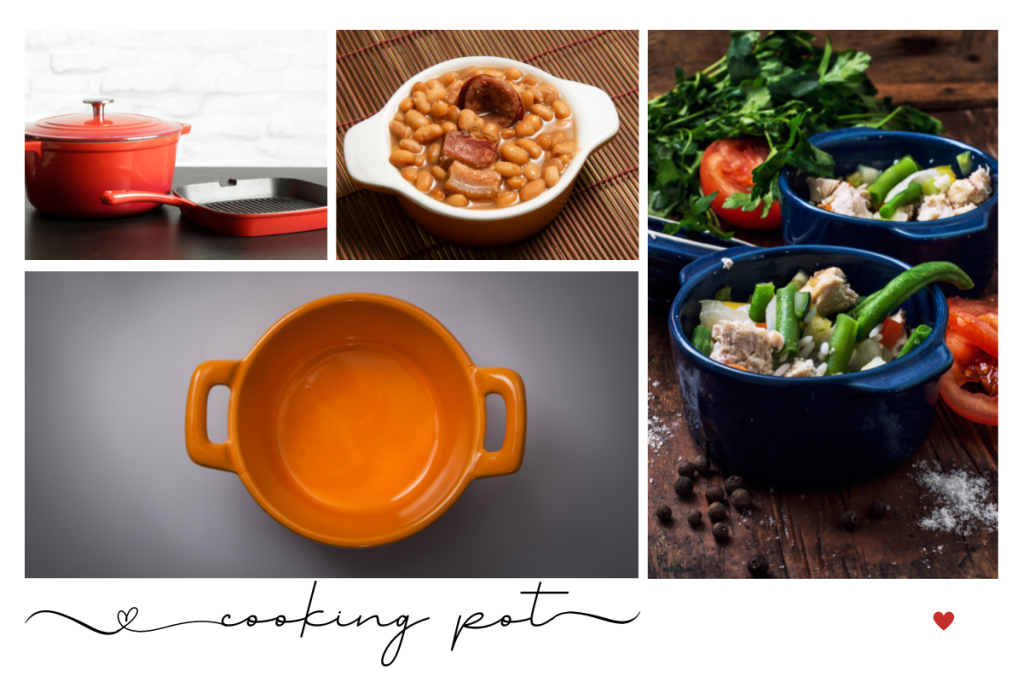
Sustainability Benefits of Ceramic Pots
First and foremost, ceramic pots are a more sustainable option for cooking. Compared to other cooking materials such as aluminum or non-stick pans, ceramic pots are far more environmentally-friendly. They are made from natural materials such as clay, sand, and water, making them biodegradable and recyclable. In contrast, many modern cooking materials are made from synthetic and non-biodegradable materials, contributing to the increasing amount of waste in our environment.
In addition to being a more sustainable option, ceramic pots also have a longer lifespan than other cooking materials. They are more durable and resistant to scratches and stains, meaning they won’t need to be replaced as frequently as other cooking materials. This makes them a more cost-effective option in the long run, as you won’t need to continuously replace your cooking materials.
Health Benefits of Cooking with Ceramic Pots
Not only are ceramic pots a more sustainable option, but they can also offer numerous health benefits for you and your family. Here are just a few of the ways cooking with ceramic pots can benefit your health:
Non-Toxic
Ceramic pots are non-toxic, meaning that they don’t release any harmful chemicals or toxins when heated. This is in contrast to many other cooking materials, such as non-stick pans, which can release harmful chemicals such as perfluorooctanoic acid (PFOA) when heated.
Even Heat Distribution
Ceramic pots offer even heat distribution, which helps to prevent hot spots and ensures that your food is cooked evenly. This is important for ensuring that your food is cooked properly and that it retains its nutrients.
Retains Nutrients
Speaking of nutrients, ceramic pots are also great for retaining the nutrients in your food. The even heat distribution helps to prevent the loss of nutrients that can occur with other cooking methods, such as boiling or frying.
Enhances Flavor
Ceramic pots can also enhance the flavor of your food. The porous nature of ceramic means that it can absorb some of the moisture from your food, resulting in more flavorful and tender dishes.
Tips for Cooking with Ceramic Pots
Now that you know the benefits of cooking with ceramic pots, here are a few tips for using them:
Season Your Pot
Before you start cooking with your ceramic pot, it’s important to season it first. This involves coating the pot with oil and then baking it in the oven for a short period of time. This helps to create a non-stick surface and prevents your food from sticking to the pot.
Use Low to Medium Heat
Ceramic pots retain heat very well, which means that they don’t require as much heat to cook your food. Using low to medium heat is often sufficient to cook your food, and it helps to prevent your food from burning.
Avoid Sudden Temperature Changes
Ceramic pots are susceptible to cracking if they are exposed to sudden temperature changes. Avoid placing a hot pot directly in cold water or placing a cold pot on a hot stove. Instead, allow the pot to cool down gradually before washing it.
Avoid Abrasive Cleaners
Finally, it’s important to avoid using abrasive cleaners on your ceramic pot. This can scratch the surface and damage the pot. Instead, use a soft sponge and mild soap to clean your ceramic pot.
Preheat Your Ceramic Pot to Prevent Food from Sticking
When cooking with ceramic pots, it is important to preheat the pot to prevent food from sticking to the bottom. Allow the pot to heat up slowly over low to medium heat.
Stir Frequently to Prevent Burning
To prevent burning, stir your food frequently when cooking with ceramic pots. Ceramic pots tend to retain heat for a long time, so this will help distribute the heat evenly.
Avoid Overcrowding the Pot
Don’t overcrowd the pot. Leave enough space for the food to cook evenly and for you to stir it without spilling.
Use a Lid to Retain Moisture and Heat
Use a lid to keep moisture and heat trapped in the pot, which helps to retain the natural flavors of the food and cook it evenly.
Use Wooden or Silicone Utensils to Avoid Scratching
Avoid using metal utensils when cooking with ceramic pots, as they can scratch the surface and cause damage. Instead, use wooden, silicone or nylon utensils.
Avoid Cooking Acidic Foods in Ceramic Pots
Ceramic pots are not suitable for cooking acidic foods, as the acid can react with the ceramic and cause a metallic taste in the food. Use stainless steel or cast-iron pots for cooking acidic foods.
Don’t Microwave Your Ceramic Pot
Don’t use your ceramic pot to reheat food in the microwave, as it can cause the pot to crack due to the sudden change in temperature. Use a microwave-safe dish instead.
Clean Your Ceramic Pot Immediately After Use
Clean your ceramic pot immediately after use to prevent food from sticking to the surface. Use a soft sponge or cloth with mild soap and warm water.
Store Your Ceramic Pot Carefully to Prevent Damage
Store your ceramic pot carefully to prevent it from being chipped or damaged. Use soft padding between pots when stacking them, and avoid placing heavy objects on top of them.
Choose the Right Ceramic Pot for Your Cooking Needs
Using a ceramic pot in the kitchen is a time-honored practice that has endured the test of time. Ceramic vessels are great for slow-cooking stews, soups, and casseroles, as well as braising meat, preparing risotto, and baking bread. Choosing the ideal ceramic cooking pot can be a laborious endeavor. Use ceramic pots that are compatible with your cooking needs. Some ceramic pots are designed for slow-cooking, while others are better suited for high-heat cooking. With a profusion of options on the market, it might be difficult to identify the best option. This article will explain all you need to know about selecting the ideal ceramic cooking pot.
The Advantages of Ceramic
There are a number of reasons why ceramic pots are an excellent option for cooking. They are non-reactive, which means they will not react with acidic foods such as tomatoes or vinegar. Second, they have remarkable heat retention, allowing them to keep your meal warm for longer periods of time. Lastly, ceramic pots properly disperse heat, so food will cook uniformly.
The Collection of Ceramic Pots
There are two main types of ceramic pots: stoneware and earthenware. Stoneware is fired at a higher temperature than earthenware, which makes it more impermeable and durable. In contrast, earthenware is more porous, allowing it to absorb more liquid, making it ideal for slow-cooking stews and soups.
The Scale
The size of your ceramic pot depends on the food you intend to prepare. If you plan to create huge quantities of stews or soups, you will need a larger pot. If you intend to prepare smaller foods, such as risotto or casseroles, a smaller pot will be more appropriate.
The Form
The type of food you intend to cook will also determine the form of your ceramic pot. If you plan to prepare stews or soups, a round or oval-shaped pot is preferable. If you intend to bake bread or roast meat, a rectangular-shaped pot is more appropriate.
Handles
When selecting a ceramic pot, handles are of paramount importance. You must ensure that the handles are robust and comfortable to hold. You should also ensure that they are heat-resistant so that you do not burn your hands while lifting the pot.
The Cap
The lid is another important factor to consider when choosing a ceramic pot. You should ensure that the lid fits the pot tightly and has an easy-to-grip handle. You should also verify that the lid is heat-resistant so that you do not burn your hands when removing it.
Cost
Ceramic vessels can range in price from a few pounds to several hundred pounds. The price depends on the pot’s quality and brand. If you intend to use your ceramic pot frequently, you should invest in a pot of superior quality that will last for many years.
Conclusion
Utilizing ceramic pots for food preparation is an exceptional choice that bestows both sustainability and healthfulness. These pots not only present commendable eco-friendly characteristics, but they also provide unprecedented health benefits such as uniform heat distribution, nutrient preservation, and flavor enhancement. Adhering to a few simple guidelines for using ceramic pots can guarantee their longevity and continuous provision of these advantages for you and your loved ones. Why not transition to ceramic pots today and indulge in the benefits of sustainable and healthy cooking?
Ceramic pots represent an exquisite manner in which to cook and prepare food. The impressive eco-credentials of these vessels are matched only by the unparalleled health benefits they afford. Ceramic pots‘ aptitude for uniformly distributing heat ensures even and thorough cooking, while their capacity for retaining nutrients means that food remains as nourishing as possible. Moreover, the ceramic material intensifies the flavor of the food, rendering it a favorite among cooking enthusiasts. By observing simple guidelines, such as seasoning and storing the pots properly, one can ensure that they last for years, delivering sustainable and wholesome food preparation. Make the switch to ceramic pots now and luxuriate in the rewards of healthy and sustainable cooking!
 Hey Singapore